Take one PAUSE at a time! Here's why slowing down is the ultimate power move…
| From the desk of Miles Everson: Hello! I hope you are all having a great Friday. In these “Mindfulness by Miles” articles, I talk about health, wealth, well-being, happiness, future of work, book reviews, marketing, tips, and more with hopes to help empower you in both your personal and professional life. Today, let’s take a look at the propositions of another interesting book by another interesting author. Are you ready? Keep reading below to know more. |
We live in a world that glorifies speed. Notifications ping relentlessly. Deadlines loom. Our to-do lists stretch into oblivion, and somewhere along the way, we’ve been conditioned to believe that faster equals better. … but what if that very rush is the thing keeping us from truly seeing, feeling, and understanding life? What if the moments we keep sprinting past are the ones that could give us clarity, joy, and even success? Haemin Sunim’s book, “The Things You Can See Only When You Slow Down,” offers a gentle yet powerful answer. Far from a self-help manual packed with rigid steps, this book is a quiet companion for anyone navigating the chaos of modern life—a guide to rediscovering the value of mindfulness, self-compassion, and meaningful connections.
At its heart, “The Things You Can See Only When You Slow Down” isn’t about doing less; it’s also about being more present . Haemin Sunim, a Korean Zen Buddhist teacher, shares reflections that blend Eastern wisdom with practical insights for contemporary life. Through short, digestible chapters, readers are invited to pause, reflect, and recognize the beauty, lessons, and opportunities that often go unnoticed in their hectic routines. The book emphasizes that slowing down isn’t a luxury but a necessity. By creating space to breathe, observe, and reflect, we can navigate life with clarity, calm, and compassion, both for ourselves and for those around us. Here are some of the book’s key lessons for life:
Why This Matters for Your Career In the workplace, speed is often mistaken for productivity. Yet, rushing through tasks, meetings, and decisions can lead to mistakes, burnout, and strained relationships. Applying the principles from Sunim’s book can help professionals:
Basically, by slowing down, you paradoxically gain more control, insight, and productivity in your career. The Impact on Your Overall Well-Being Beyond work, the lessons in this book are deeply nourishing for personal well-being:
In essence, Sunim reminds us that life’s richness is often hidden in its quiet moments. By slowing down, we allow ourselves to experience these moments fully, leading to a more balanced, joyful, and meaningful life. — To sum it all up… “The Things You Can See Only When You Slow Down” is more than a book; it’s also a call to pause, reflect, and reconnect with the things that truly matter. In a world that constantly pushes us to move faster, it offers a counterintuitive but profoundly effective truth: By slowing down, we see more, understand more, and live more fully . So, whether you’re a busy professional, a student overwhelmed by responsibilities, or simply someone looking for peace in a noisy world, Sunim’s words serve as a gentle yet transformative guide. After all, sometimes, the most important step forward isn’t faster—it’s slower. For a daily version of this newsletter, please subscribe here. |


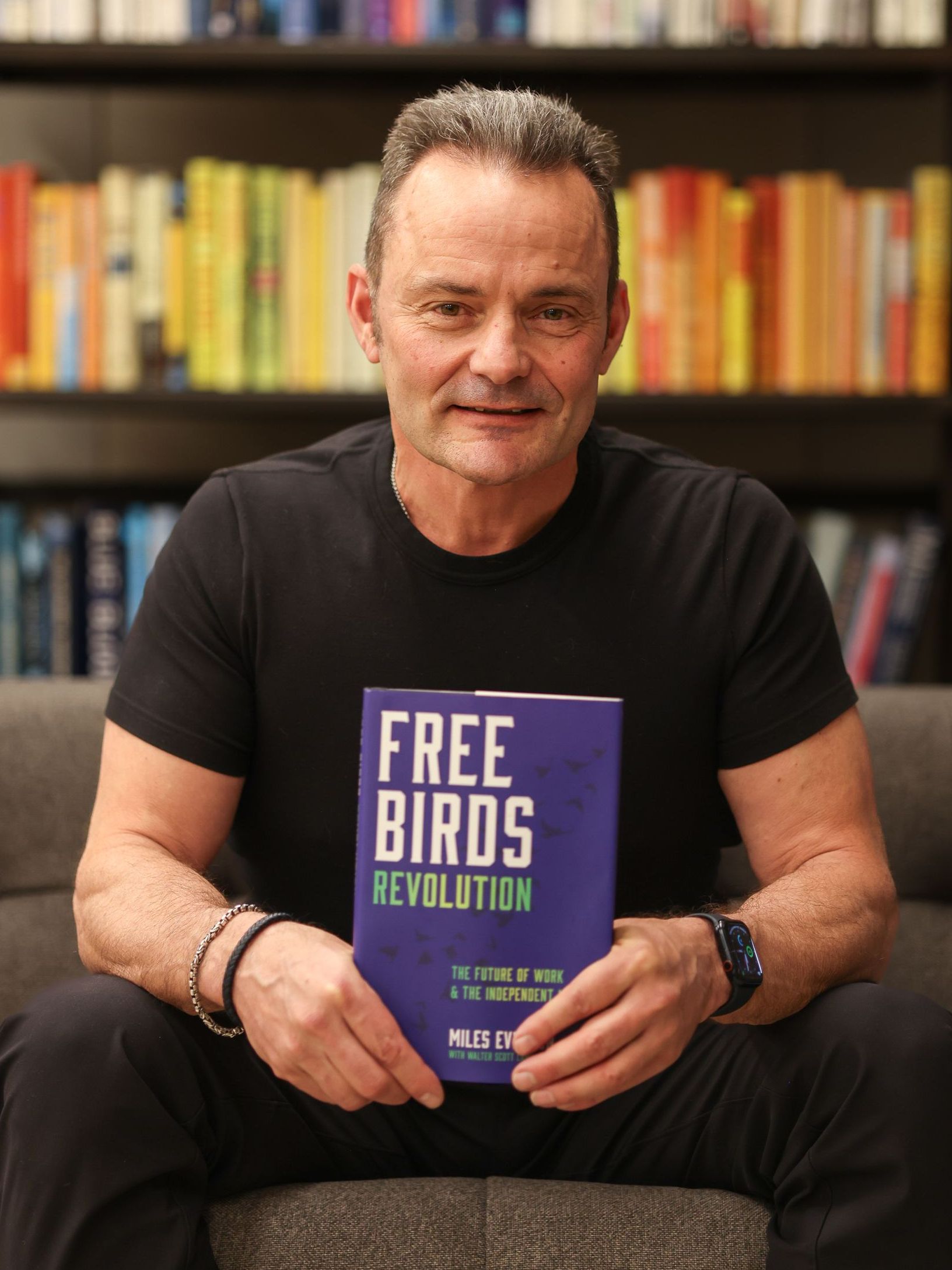
Miles Everson
CEO of MBO Partners and former Global Advisory and Consulting CEO at PwC, Everson has worked with many of the world's largest and most prominent organizations, specializing in executive management. He helps companies balance growth, reduce risk, maximize return, and excel in strategic business priorities.
He is a sought-after public speaker and contributor and has been a case study for success from Harvard Business School.
Everson is a Certified Public Accountant, a member of the American Institute of Certified Public Accountants and Minnesota Society of Certified Public Accountants. He graduated from St. Cloud State University with a B.S. in Accounting.