It's "finger lickin' good" even in the virtual world! Here's how this fast food entered the metaverse.
In today’s article, let’s look at a genius stunt by one of the fast food brands in China. Read on to know more! |
|
It's "finger lickin' good" even in the virtual world! Here's how this fast food entered the metaverse. In an era where attention is fragmented and physical foot traffic is no longer guaranteed, KFC faced a very real challenge in a very unreal world in China. In 2022, the brand experienced declining store visits, particularly among Gen Z consumers. This wasn’t due to a lack of interest in the brand itself, but rather a fundamental shift in behavior. Young consumers weren’t abandoning social interaction; they were simply relocating it. Gaming platforms, virtual communities, and digital hangout spaces had become the new “third place.” So, to stay relevant, KFC didn’t just tweak its marketing strategy. It also reimagined where—and how—its brand could exist.
The Challenge: When Reality Isn’t the Main Stage Anymore The insight was both simple and unsettling: Half of Gen Z consumers were spending more time in virtual environments than in real life. This meant traditional touchpoints—stores, billboards, even social media—were no longer enough. The battleground for attention had shifted to immersive digital ecosystems where identity, status, and social interaction were expressed through avatars and virtual goods. For KFC, the challenge wasn’t just about visibility but also about cultural relevance. “How do you remain part of someone’s life when their “life” is increasingly lived in a virtual world?” Let’s take a look at how KFC addressed that… The Strategy: Build a World Gen Zs Would Actually Want to Live In Instead of forcing its way into already existing digital spaces, KFC created its own. Enter the “KFC Re:Store,” a fully immersive, shoppable virtual environment hosted on QQ, one of China’s most popular platforms among young users.
This wasn’t just a branded experience. It was a living, breathing social ecosystem designed to mirror how Gen Zs actually interact online. Three strategic pillars drove the experience:
Simply said, this wasn’t just engagement; this was transactional immersion. Execution: When a Fast-Food Brand Became a Digital Universe Inside the “Re:Store,” KFC introduced a fully-fledged virtual economy. Users could explore, socialize, and transact using KFC Chicken Coins, a virtual currency that saw explosive adoption—30 million coins distributed in just three days!
The brand also launched an expansive catalog of virtual goods:
Each item wasn’t just decorative but was also a social signal, a status symbol, and a way for users to express identity within the ecosystem. Critically, the experience wasn’t passive. Users didn’t just see the brand; they lived in it. The Results: When Virtual Worlds Drive Real-World Revenue What happened next in the campaign wasn’t just impressive but also industry-defining!
See? This wasn’t just a successful campaign. Clearly, it was proof that virtual engagement can directly translate into physical revenue! Good job on this, KFC! The Genius Behind the Guerrilla Marketing Strategy At its core, “Re:Store” wasn’t just a metaverse experiment; it was also guerrilla marketing for a new frontier. Instead of interrupting consumers, KFC embedded itself within their environment. Instead of chasing attention, it created a space where attention naturally lived. What else? The campaign succeeded because it embraced three powerful truths:
Clearly, the “KFC Re:Store” didn’t just solve a marketing problem. It introduced a new way of thinking about commerce itself. It opened a world where digital identity influences purchasing behavior, virtual goods hold real value, and brand experiences exist beyond physical limitations. For marketers, this signals a shift from campaigns to ecosystems. For businesses, this is a reminder that growth doesn’t always come from more visibility. Sometimes, it comes from meeting people where they already are. Besides, the next generation of consumers isn’t waiting for brands to catch up. They’re already living, socializing, and spending in spaces that don’t look anything like the traditional marketplace. Now, the question isn’t whether brands should enter these worlds. Rather, it’s whether they’re willing to build something worth entering. … because, as KFC just proved, the most powerful storefront today might not have doors at all. … and brands that are willing to think outside of the box and step out of their comfort zones are the ones that will thrive in this new era. Hope you’ve found this week’s guerrilla marketing insight interesting and helpful. Stay tuned for next Thursday’s Gorillas of Guerrilla Marketing! Do you want to know how one brand “killed” its famous mascot, then got the Internet to talk about it nonstop? See it in next week’s article! |


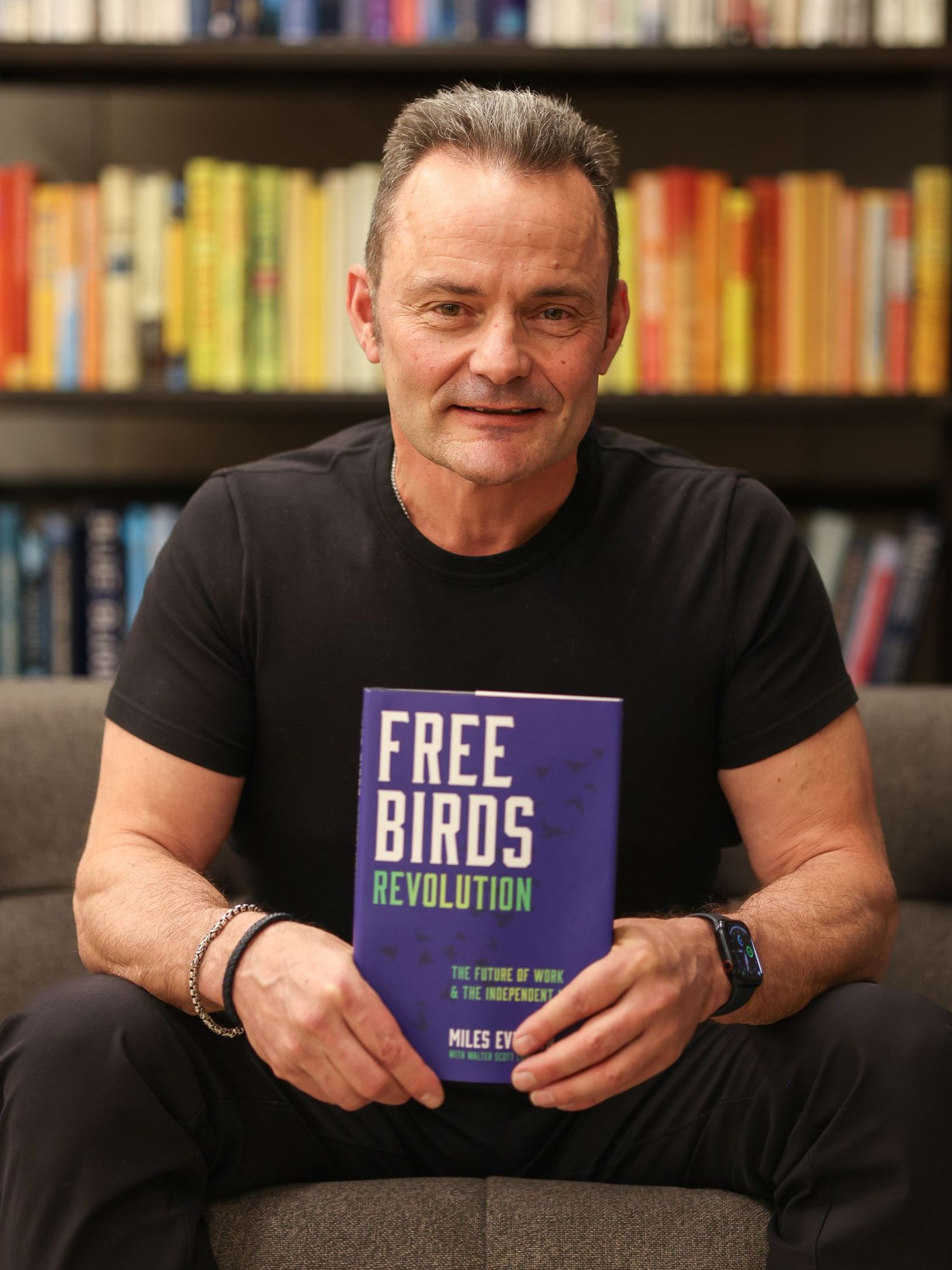
Miles Everson
CEO of MBO Partners and former Global Advisory and Consulting CEO at PwC, Everson has worked with many of the world's largest and most prominent organizations, specializing in executive management. He helps companies balance growth, reduce risk, maximize return, and excel in strategic business priorities.
He is a sought-after public speaker and contributor and has been a case study for success from Harvard Business School.
Everson is a Certified Public Accountant, a member of the American Institute of Certified Public Accountants and Minnesota Society of Certified Public Accountants. He graduated from St. Cloud State University with a B.S. in Accounting.