Pizza Hut didn’t just become a global powerhouse by making good pizza—it had an ace up its sleeve.
| From the desk of Miles Everson: Hi! I am elated to share another business insight in this edition of “Return Driven Strategy (RDS).” If you aren't familiar with it, RDS is a pyramid-based framework comprising 11 tenets and 3 foundations. When correctly implemented, these principles enable businesses to attain high levels of performance. Today, we will talk about Pizza Hut and the true engine behind its growth during its early years. Curious? Continue reading below. |
Pizza is one of the most popular foods in the U.S. While this food originates from Italy, America’s love for it seems to rival only that of the Italians. Pizza, however, isn’t just a culinary icon. It also serves—and has served—as a symbol of entrepreneurial prowess. No one embodies this more than Dan and Frank Carney, the founders of Pizza Hut .
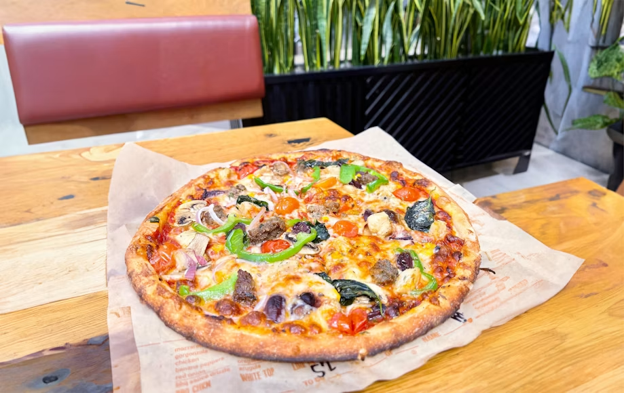
Photo from Unsplash The pizza chain’s rise doesn’t just present an inspiring entrepreneurial story; it also reveals just how powerful a well-thought out business model can be. Becoming One of America’s Most Popular Culinary Dishes Pizza had already been introduced in America by the Italians in the late 19th century. However, its surge to popularity only began in the late 1940s to 1950s. Many soldiers who fought at or were stationed near Italy during World War II developed a love for pizza. So, when they went home after the war, there existed a demand for pizza. … and you know what? This presented an opportunity for the Carney brothers! Both realized there was an untapped market for pizza lovers in Wichita, Kansas. As a result, they opened a pizza parlor in 1958. They even borrowed USD 600 from their mother to make this possible. Thus, Pizza Hut was born.
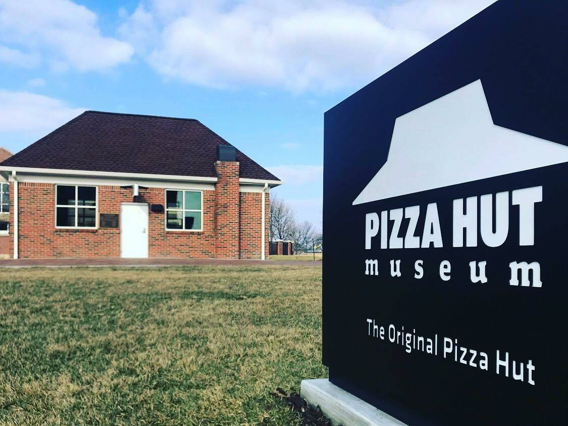
Photo from Wichita State University The Carney brothers didn’t run Pizza Hut like a typical mom-and-pop pizzeria. Instead, they wrote manuals for things such as how many pepperoni slices to include, how to welcome customers, and how to mop floors the right way. They did this to ensure every customer had an identical experience at every Pizza Hut location. Within 20 years, the standards the Carney brothers established would serve as the foundation for every Pizza Hut across the globe. That said, this wasn’t Pizza Hut’s true growth driver (although those standards certainly helped). The company’s secret? The franchising business model! Letting Others Do The Heavy Lifting The Carney brothers grew Pizza Hut by allowing people to franchise their own Pizza Hut locations. Instead of using their own capital to expand rapidly, the Carney brothers let franchisees do most of the work for them. By doing this, the brothers didn’t have to foot the bill for each Pizza Hut location, from startup costs to operating expenses. Of course, this wasn’t a one-sided business deal. In exchange for franchising rights, franchisees were given a roadmap for success. As mentioned above, the Carney brothers developed manuals for how Pizza Hut restaurants were run. Back to Pizza Hut… It was only a matter of time before Pizza Hut’s success caught someone else’s eye. In this case, it was PepsiCo . PepsiCo was the second-biggest beverage firm in the 1970s, just behind Coca-Cola . Since PepsiCo was behind Coca-Cola, it made attempts at closing the gap. This included a big marketing campaign… and an expansion into the fast food market. Pizza Hut was an ideal candidate, so in 1977, PepsiCo acquired it from the Carney brothers for USD 300 million. Frank Carney stayed as president to aid in the transition. After three years, he left to focus on his own business goals. In 1994, Frank used his capital to become one of Papa John’s—a Pizza Hut rival—biggest franchisees globally, opening over 130 locations. The RDS Connection The Carney brothers’ success is best viewed through two of Return Driven Strategy’s (RDS) tenets— Ethically Maximize Wealth and Target and Dominate Markets .
Clearly, Pizza Hut's success wasn't simply a matter of finding an underserved customer group. The Carney brothers built something that could scale quickly while delivering strong profits. Their story points to a deeper lesson: Spotting a promising market is just the first step of any successful business endeavor. The real challenge is figuring out how exactly the business will generate money in the first place. — If you’re looking to gain a better understanding of Return Driven Strategy and Career Driven Strategy, we highly recommend checking out “Driven” by Professor Litman and Dr. Frigo. Click here to get your copy and learn how this framework can help you in your business strategies and ultimately, in ethically maximizing wealth for your firm. Hope you found this week’s insights interesting and helpful. Stay tuned for next Tuesday’s Return Driven Strategy! Imagine a world where businesses no longer interrupt people with cold calls, spammy emails, or intrusive ads… Learn more about HubSpot in next week’s article! |

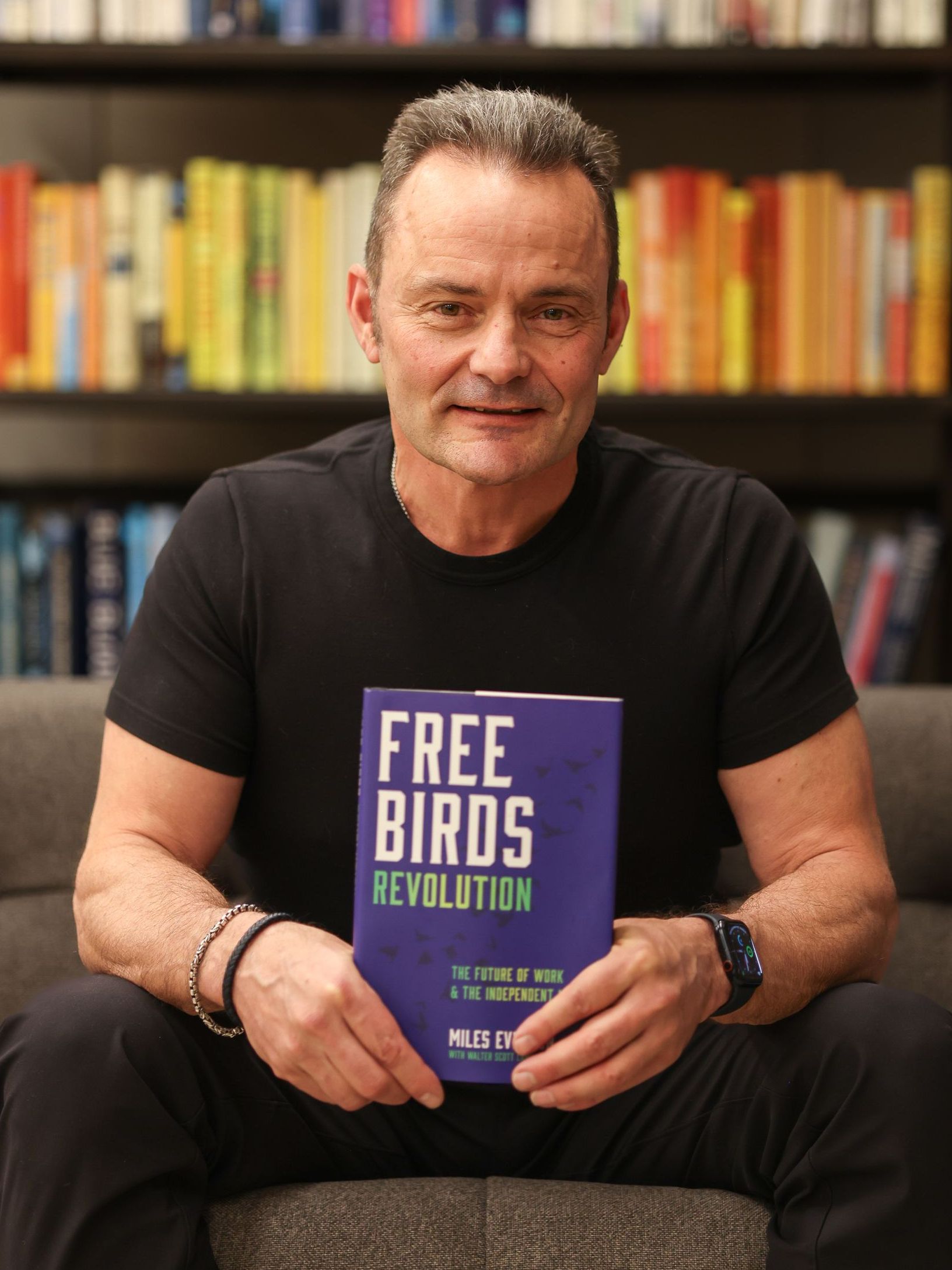
Miles Everson
CEO of MBO Partners and former Global Advisory and Consulting CEO at PwC, Everson has worked with many of the world's largest and most prominent organizations, specializing in executive management. He helps companies balance growth, reduce risk, maximize return, and excel in strategic business priorities.
He is a sought-after public speaker and contributor and has been a case study for success from Harvard Business School.
Everson is a Certified Public Accountant, a member of the American Institute of Certified Public Accountants and Minnesota Society of Certified Public Accountants. He graduated from St. Cloud State University with a B.S. in Accounting.