Japan’s bond yields are on the rise. Should you be worried?
| From the desk of Miles Everson: Investing has provided many individuals with the opportunity to gain financial security and independence for decades. That’s why every Wednesday, I talk about investing in the hopes of helping readers build their wealth through this activity. In today’s “The Independent Investor,” we will talk about the Japanese economy, and the stress test it is currently facing. Curious? Continue reading below! |
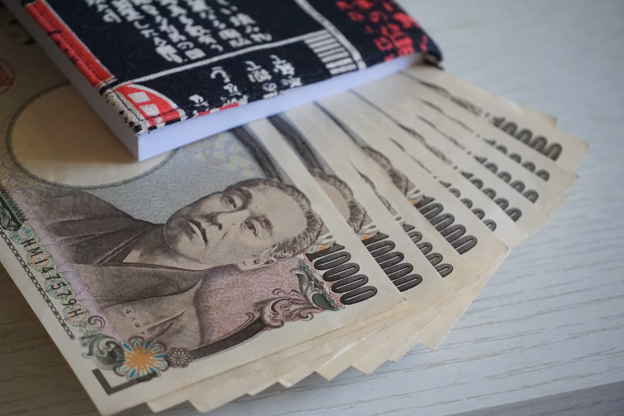
For decades, Japan's financial system looked like a haven of stability. The Bank of Japan kept interest rates at near zero, making the country a popular market for international borrowers. Investors from all over could borrow for basically free, then invest in other markets where they could get higher returns. At the same time, low interest rates kept the Japanese yen weak while keeping the bond market stable. Investors could treat currency frailty and bond-market strength as two parts of the same policy. However, that inverse relationship is starting to break down. The yen and Japanese government-bond prices are now falling together… and when bond prices fall, bond yields rise. The benchmark 10-year yield recently reached 2.87%, its highest level since 1996 while the 30-year yield climbed above 4%.
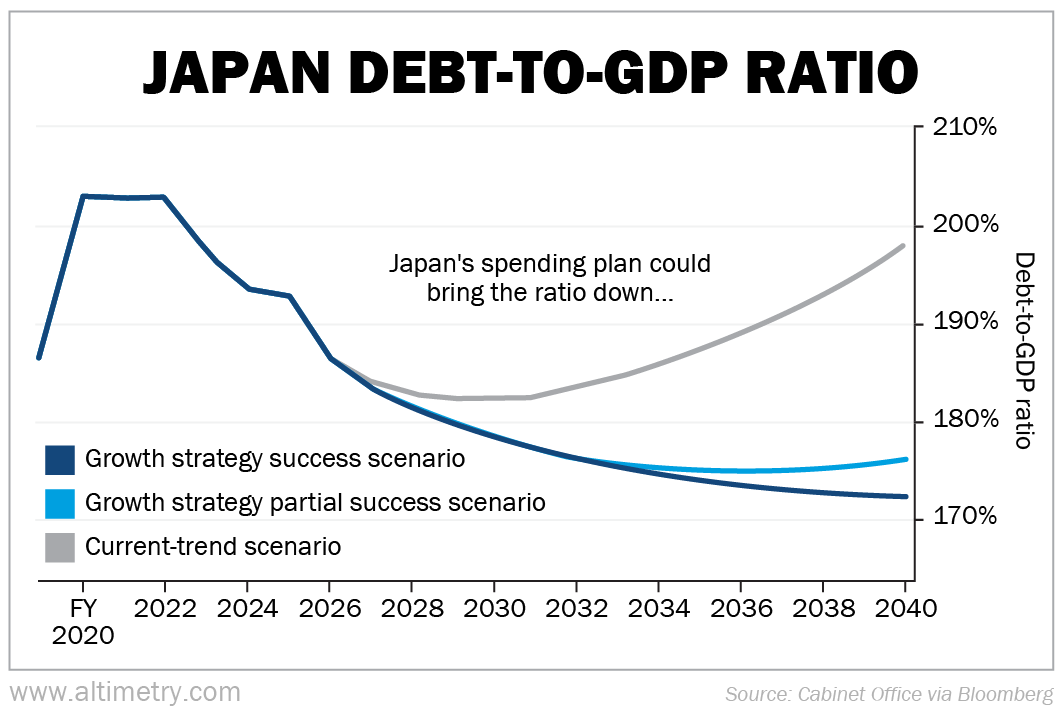
Photo from Unsplash This scenario is being spurred by a massive sell-off in government bonds. Investors are saying the root cause is Prime Minister Sanae Takaichi's plan to spend USD 2.3 trillion over the next 14 years. So, does this mean investors in the Japanese market are in trouble? Well, the answer is much more nuanced than initially assumed… A Massive Sell-off for Japan’s Economic Future According to Rob Spivey, Director of Research at Valens Research and Altimetry Financial Research , Japan’s massive bond sell-off makes long-term Japanese bonds less attractive. However, in doing so, this strengthens the case for the companies powering Japan's domestic economy. Think about this: Japan has the highest debt-to-GDP ratio of any developed nation—at 187%. The International Monetary Fund (IMF) estimates that Japan's government spent 1.5% of its GDP paying off interest in 2025 alone. This number is expected to more than double by 2031. The reason? Japan will need to refinance older debt at higher rates, so even more of the government's budget will go towards interest payments. That leaves less room for other spending and can force the government to issue even more bonds. That's why bond investors are worried today. However, Spivey says the good news is Japan's economy is finally heating up! According to him, Takaichi's USD 2.3 trillion spending plan is expected to help the country catch up in several areas where the U.S. and China currently lead, including semiconductors, AI, and healthcare. Directing spending towards popular industries should, in turn, spur Japan's economy and bring down its debt-to-GDP ratio. The goal is to bring the ratio down to roughly 170% by the end of the spending plan. While bond investors are worried about Japan's debt levels today, the government is playing the long game.
Chart from Altimetry Spivey says Japan is spending money now to boost corporate profits, which will help pay that debt down in the coming years. An Investment Cycle That’s Just Kicked Off According to Spivey, companies are confirming the investment cycle is underway. The Bank of Japan raised its interest rate to 1% in June. Even at that level, companies are still trying to borrow more. Private bank lending has been growing at roughly 4.5% to 5.5% year over year, while corporate bond issuances have risen around 7%. That shows companies are investing in the economy, and the government's plan to ramp up spending will only support that growth. The bond market seems to be pricing in the worst-case scenario. But Spivey says this is likely what the Japanese government wanted to achieve. Low rates were great for the bond market, but they made it tougher for the economy to grow. Japanese companies stand to benefit as more money flows into automation, semiconductors, shipbuilding, energy, defense, and advanced manufacturing. Circling back to our earlier question: Should investors in the Japanese market worry? The answer is NO … with an important caveat. The key to this situation is whether Japan's economy keeps growing fast enough to absorb higher interest costs. Rising investment, healthy corporate funding, and stronger profits all support that outcome. So far, Spivey notes that those trends are all working in Japan's favor. As long as economic growth keeps pace with the rising debt burden, the bond sell-off should not derail the bullish case for Japanese equities. Hope you’ve found this week’s insights interesting and helpful. Stay tuned for next Wednesday’s The Independent Investor! In September 2025, Professor Joel Litman, Chairman and CEO of Valens Research and Chief Investment Officer of Altimetry Financial Research, framed the future of investing not as a market timing problem. Learn more about Learn more about how to filter the storm of information in next week’s article! |


Miles Everson
CEO of MBO Partners and former Global Advisory and Consulting CEO at PwC, Everson has worked with many of the world's largest and most prominent organizations, specializing in executive management. He helps companies balance growth, reduce risk, maximize return, and excel in strategic business priorities.
He is a sought-after public speaker and contributor and has been a case study for success from Harvard Business School.
Everson is a Certified Public Accountant, a member of the American Institute of Certified Public Accountants and Minnesota Society of Certified Public Accountants. He graduated from St. Cloud State University with a B.S. in Accounting.