This NBA champion built a lucrative career through sports storytelling. Here’s how he pulled it off!
| From the desk of Miles Everson: Hello! I hope your week is off to a great start! I want to start this week by putting the spotlight on a retired professional athlete who has built a career in sports storytelling by being one of its pioneers. Want to know more? Keep reading below! |
This NBA champion built a lucrative career through sports storytelling. Here’s how he pulled it off! For several decades, the career trajectory of a professional athlete followed a straightforward path. Athletes would build their credibility and skills in amateur sports leagues, such as those at the high school and collegiate level. Once that grind was done, an athlete—should he or she be skilled enough—would go on to play in a professional league until he or she retired. If a retired athlete wanted to keep working, he or she would usually work in a sports organization’s front office or pursue coaching. Some retired athletes have even pursued media work, serving as analysts for media companies covering sporting events. Careers play out differently for every sport, but the career trajectory laid out is roughly the same. That trajectory held true for most of the 2000s and even the 2010s. However, a shift has happened. The booming creator economy—worth billions of dollars—has opened a new pathway for retired athletes. Instead of spending time in newsrooms or front offices, a growing number of retired athletes are now leveraging their years of athletic experience to pursue sports storytelling—an increasingly lucrative career path. To understand just how viable and influential sports storytelling has become, we need to take a look at one of its pioneers. His name? Richard Jefferson!
Jefferson is a former National Basketball Association (NBA) player whose career spanned 17 seasons. He played for multiple NBA teams like the San Antonio Spurs, Golden State Warriors, and Cleveland Cavaliers with whom he won an NBA championship with in 2016. After retiring from the NBA in 2018, Jefferson started his broadcasting career as an analyst for the YES Network, covering Brooklyn Nets games. In 2019, he joined ESPN as an NBA analyst. Jefferson is presently a member of the “NBA on ESPN” broadcast team, having joined in 2025. Now that we know a little bit about Jefferson, how did he become a pioneering voice in the world of sports storytelling? A Pioneering Voice for Athletes While sports podcasting may seem like a relatively new field, it’s actually not. Sports podcasts, including those that talk about the NBA, actually started in the 2010s. As Internet culture grew in popularity and influence, media organizations started to offer their sports talk shows—initially available on cable TV—as Internet podcasts. Early examples include ESPN’s “First Take. ” During the nascent years of sports podcasts, most of these shows were hosted by sports personalities and not athletes themselves. Most of the time, NBA players appeared as one-time or recurring guests. By the late 2010s, that trend slowly started to change. In fact, one of the trailblazers that ushered in a change in the sports podcast landscape was Jefferson himself. Jefferson began his podcasting career in 2017 with a podcast named “Road Trippin’” where he was joined by former NBA player Channing Frye and Allie Clifton, an American sports journalist who also covers the NBA. Jefferson’s podcast eventually built a loyal following because it gave fans a glimpse into the life of an NBA player. It also enabled him to share stories and perspectives about what it’s like to play in the NBA—something that other sports podcasts back then weren’t able to do to such a wide extent. Fast forward to today, Jefferson has built a strong social media presence. He has thousands of followers across multiple social media platforms. His podcast, the “Road Trippin’ Show,” also enjoys a sizable following across YouTube, Spotify, TikTok, and Apple Music. The podcast has seen a nearly 300% audience growth since going independent and following a consistent upload schedule. Jefferson is currently involved in a multi-billion entertainment ecosystem. According to PwC, the sports sponsorship market is set to reach USD 160 billion by 2030. Media rights and digital content are the drivers of that phenomenal growth. Jefferson stands to benefit from the windfall the sports media landscape is set to receive since he enjoys a strong following through his socials and podcast. That said, how was he able to to become a recognizable and popular sports personality? The quality that stands out the most is his authenticity . The primary factor that endeared Jefferson in the podcast space was the stories and experiences he shared. More importantly, his background as a former NBA player gives him the credibility, sincerity, and technical knowledge that other sports podcasters don’t typically have access to. Jefferson’s authenticity also manifests itself in his business dealings. Instead of chasing traditional network and media deals, Jefferson fully owns his brand and podcast. In other words, his identity isn’t tied to a corporation, allowing him to freely state his views and enjoy all the benefits independent ownership has to offer. In a social media landscape that’s craving for genuine opinions and insights, authenticity has become a difference maker. … and in the case of today’s media landscape, authenticity is also what leads to success and profits. Given Jefferson’s authenticity, it’s no wonder he’s one of the most recognizable and successful names in the sports media landscape today. As he himself has said: “If you tell great stories and have interesting conversations, the audience and revenue will find you.” So, if you’re looking to level up your career or carve out a space in the creator economy, make sure to be as authentic as possible. After all, great stories and interesting conversations only happen when you’re authentic enough in the eyes of your audience. Hope you’ve found this week’s topic interesting and helpful. Stay tuned for next Monday’s Marketing Marvels! There’s a moment in everyone’s life when frustration sparks innovation. Learn more about Payal Kadakia in next week’s article! |


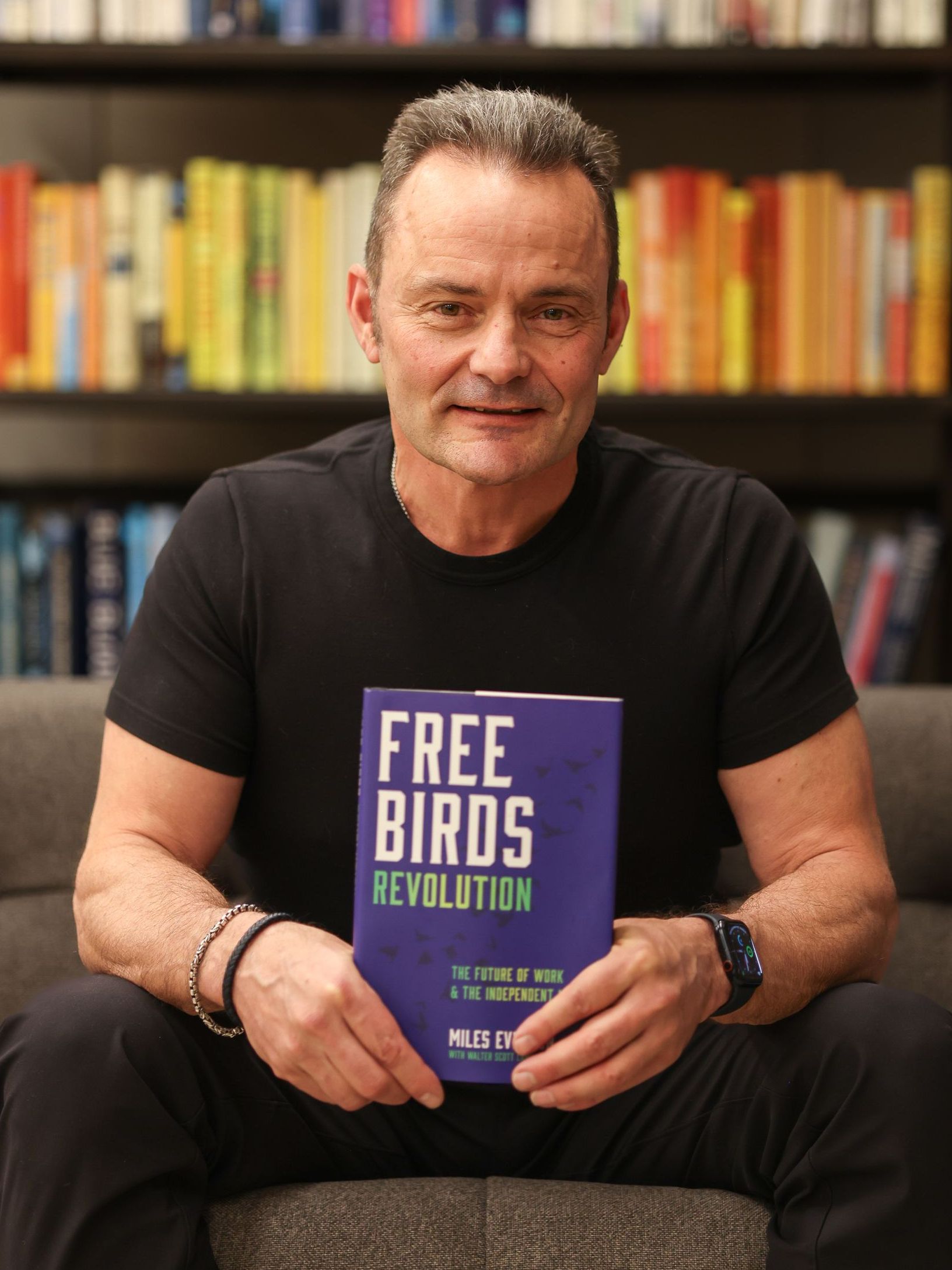
Miles Everson
CEO of MBO Partners and former Global Advisory and Consulting CEO at PwC, Everson has worked with many of the world's largest and most prominent organizations, specializing in executive management. He helps companies balance growth, reduce risk, maximize return, and excel in strategic business priorities.
He is a sought-after public speaker and contributor and has been a case study for success from Harvard Business School.
Everson is a Certified Public Accountant, a member of the American Institute of Certified Public Accountants and Minnesota Society of Certified Public Accountants. He graduated from St. Cloud State University with a B.S. in Accounting.