This courtroom victory could change social media apps forever. Here’s why…
| From the desk of Miles Everson: Hi! I’m thrilled to talk about another insight in the world of business for today’s issue of “Return Driven Strategy (RDS).” For those of you who aren’t familiar yet, RDS is a pyramid-shaped framework with 11 tenets and 3 foundations. When applied properly, these principles help businesses attain high levels of performance. Today, we’re going to put the spotlight on a landmark case involving two of the biggest social media platforms. Curious? Continue reading below! |
This courtroom victory could change social media apps forever. Here’s why… Business environments are fast-moving and rarely stay stagnant for a long period of time. According to Professor Joel Litman and Dr. Mark L. Frigo in the book, “Driven,” high performance businesses take advantage of and avoid threats brought about by sweeping changes in their industries. Historically, one of the biggest forces of change in business environments is statutory and regulatory change. Professor Litman and Dr. Frigo further emphasize that regulatory shifts “can mean life or death” for a company or a particular business strategy. … and now, it seems Silicon Valley’s social media giants are about to face potential changes to how they operate.
For those of you who aren’t aware, Meta (the owner of Facebook, Instagram, WhatsApp, Messenger, and Threads) and YouTube made headlines a few weeks ago after a Los Angeles jury ruled in favor of a 20-year-old plaintiff who alleged that these firms purposely built their social media platforms to be addictive. Design features such as infinite scroll, filters, and autoplay were alleged to have kept the plaintiff online for as much as 16 hours daily. These features were also blamed for fueling the plaintiff’s depression, anxiety, body dysmorphia, and self harm. Jurors found that the plaintiff should receive USD 3 million in compensatory damages and another USD 3 million for punitive damages. The jury found Meta and YouTube parent Alphabet "acted with malice, oppression, or fraud" in how their platforms were operated. Meta will shoulder 70% of the damages award while Alphabet will take care of the remaining 30%. Representatives for both companies said they will appeal the ruling. Meta’s spokesperson said that “teen mental health is profoundly complex and cannot be linked to a single app.” Meanwhile, a YouTube spokesperson responded by saying “this case misunderstands YouTube, which is a responsibly built streaming platform, not a social media site.” TikTok and Snap were also defendants in the case. However, both entered into settlement agreements before the trial began. Another case involving Meta and other social media platforms is set to begin in June 2026 in a California federal court. The implications of this courtroom victory are massive. This has the potential to open opportunities for hundreds, if not thousands, of similar lawsuits. As the cases mount, the possibility of regulatory changes across the globe becomes higher. In fact, the U.K. is running a pilot program to find out how a social media ban for individuals under the age of 16 could work. Australia, on the other hand, has imposed a social media ban for people below the age of 16. That said, is social media addiction a real thing? Well, social media platforms and tech firms have pointed out that tech addiction isn’t formally recognized in the “Diagnostic and Statistical Manual of Mental Disorders.” The only flagged addiction that’s remotely related to tech in the manual is “internet gaming disorder.” This commonly-employed defense hasn’t stopped academic researchers from finding out whether social media addiction is real. Anna Lembke, a Stanford psychiatrist has looked into the matter. According to her, when social media (in particular) and tech (in general) users refresh their social media feeds or win in a video game, their brains are hit with dopamine jolts that condition them to seek that dopamine hit over and over. Lembke emphasizes that over time, those bursts of dopamine could weaken the prefrontal cortex and desensitize reward pathways. As a result, individuals have a hard time resisting the urge to use tech even when their work, school, or relationships are negatively impacted. In the event that regulations are passed to curb social media addiction, the operators of social media platforms stand to lose a lot. The Business Model Social media apps are free to use and have been ever since their inception. That’s why instead of charging users for the privilege of using social media apps, the companies behind them rely on advertising placements to generate revenues and finance their operations. Advertisers, on the other hand, will only spend money on platforms that are effective at capturing attention. Said another way, the financial survival of social media platforms hinge on their ability to capture eyeballs and keep them glued to the screen for as long as possible. A Legal Victory With Massive Implications It will take time to see just how much of an impact the lawsuit will have on social media giants down the line. That said, if the courtroom victory leads to other similar lawsuits and wins, then social media giants will be put in an unfavorable position. These firms rely on humans to stay glued to their screens… and when the means with which they do that is curbed, then they will be faced with a fundamental shift that could make or break their businesses. — If you’re looking to gain a better understanding of Return Driven Strategy and Career Driven Strategy, we highly recommend checking out “Driven” by Professor Litman and Dr. Frigo. Click here to get your copy and learn how this framework can help you in your business strategies and ultimately, in ethically maximizing wealth for your firm. Hope you found this week’s insights interesting and helpful. Stay tuned for next Tuesday’s Return Driven Strategy! There’s a moment in everyone’s life when the universe dares you to choose: Stay safe… or show up boldly? Learn more about the former CMO of Netflix, Uber, and Endeavor through the lens of Career Driven Strategy (CDS) in next week’s article! |


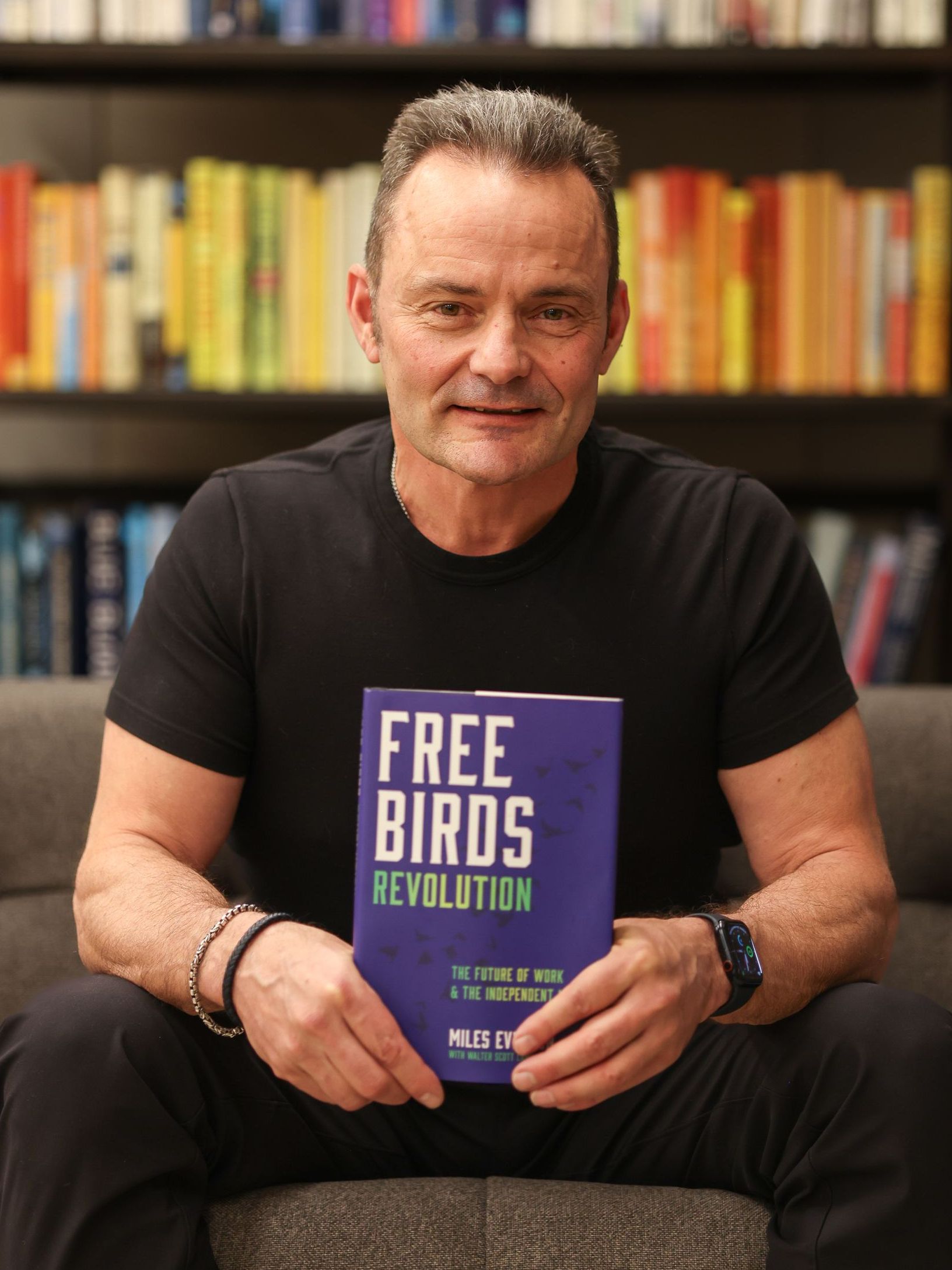
Miles Everson
CEO of MBO Partners and former Global Advisory and Consulting CEO at PwC, Everson has worked with many of the world's largest and most prominent organizations, specializing in executive management. He helps companies balance growth, reduce risk, maximize return, and excel in strategic business priorities.
He is a sought-after public speaker and contributor and has been a case study for success from Harvard Business School.
Everson is a Certified Public Accountant, a member of the American Institute of Certified Public Accountants and Minnesota Society of Certified Public Accountants. He graduated from St. Cloud State University with a B.S. in Accounting.