Popularity ≠ Profit: Learn how this airline company turned customer loyalty into sustainable earnings!
Today, let’s discuss Tenet 2 of this framework through a particular business case study. Continue reading below to know more about how this airline company soared into popularity. |
|
Popularity ≠ Profit: Learn how this airline company turned customer loyalty into sustainable earnings! Imagine a company adored by millions—customers rave, media gushes, and everyone seems to think it’s a runaway success. Yet, when you peek behind the curtain, the profits aren’t quite matching the hype. Hmm. Sounds counterintuitive, right? This is exactly the challenge some iconic businesses face: Creating a product everyone loves, but struggling to transform that love into consistent financial performance. Well, this is where strategy meets reality. Popularity and customer satisfaction are wonderful, but they are only part of the story and can only do so much. To truly thrive, a company must not just serve customers, but must also serve unmet customer needs in a way that drives sustainable, above-average returns. This principle is exactly what Tenet 2 of Professor Joel Litman and Dr. Mark L. Frigo’s Return Driven Strategy (RDS) emphasizes. A Homegrown Airline That Soared in Popularity Southwest Airlines is the Texas-born carrier known for its cheerful flight attendants, quick turnarounds, and famously low fares.
Founded in 1967, Southwest revolutionized air travel in the U.S. with a simple but powerful idea: Make flying affordable, convenient, and friendly . Instead of traditional hub-and-spoke routes, the airline opted for a point-to-point system, letting planes fly directly from city to city and cutting down travel times. Here’s the thing: Southwest’s approach was never about luxury but about value and experience . Boarding procedures were simplified, fares were predictable, and employees were encouraged to create a fun and engaging atmosphere. This led to fanatic customer loyalty, glowing press coverage, and a brand reputation that still stands out in an industry often criticized for hidden fees, delays, and frustration. While Southwest’s culture and customer love were undeniable, the company’s financial story was more complex. For years, despite being one of the best-performing airlines in terms of customer satisfaction, Southwest struggled to consistently generate returns above the corporate average. How could a company so popular fail to dominate the financial charts? The answer lies in the details of its business strategy:
The RDS Connection: Tenet 2 in Action Tenet 2 of RDS emphasizes the importance of fulfilling unmet customer needs in a way that creates sustainable value. This principle helps explain Southwest’s long journey from beloved airline to genuinely profitable business:
So, to sum it all up… Southwest Airlines offers a fascinating lesson in the gap between popularity and profitability:
In other words, Southwest’s story is a textbook case of how Tenet 2 of RDS works in practice. It’s a reminder that strategy isn’t just about being loved; it’s also about being indispensable in a way that drives sustainable, superior performance. — If you’re looking to gain a better understanding of Return Driven Strategy and Career Driven Strategy, we highly recommend checking out “Driven” by Professor Litman and Dr. Frigo. Click here to get your copy and learn how this framework can help you in your business strategies and ultimately, in ethically maximizing wealth for your firm. Hope you found this week’s insights interesting and helpful. Stay tuned for next Tuesday’s Return Driven Strategy! Apple has always been associated with premium products. Yet that doesn’t mean it can’t design and sell affordable offerings. Learn more about Apple in next week’s article! |


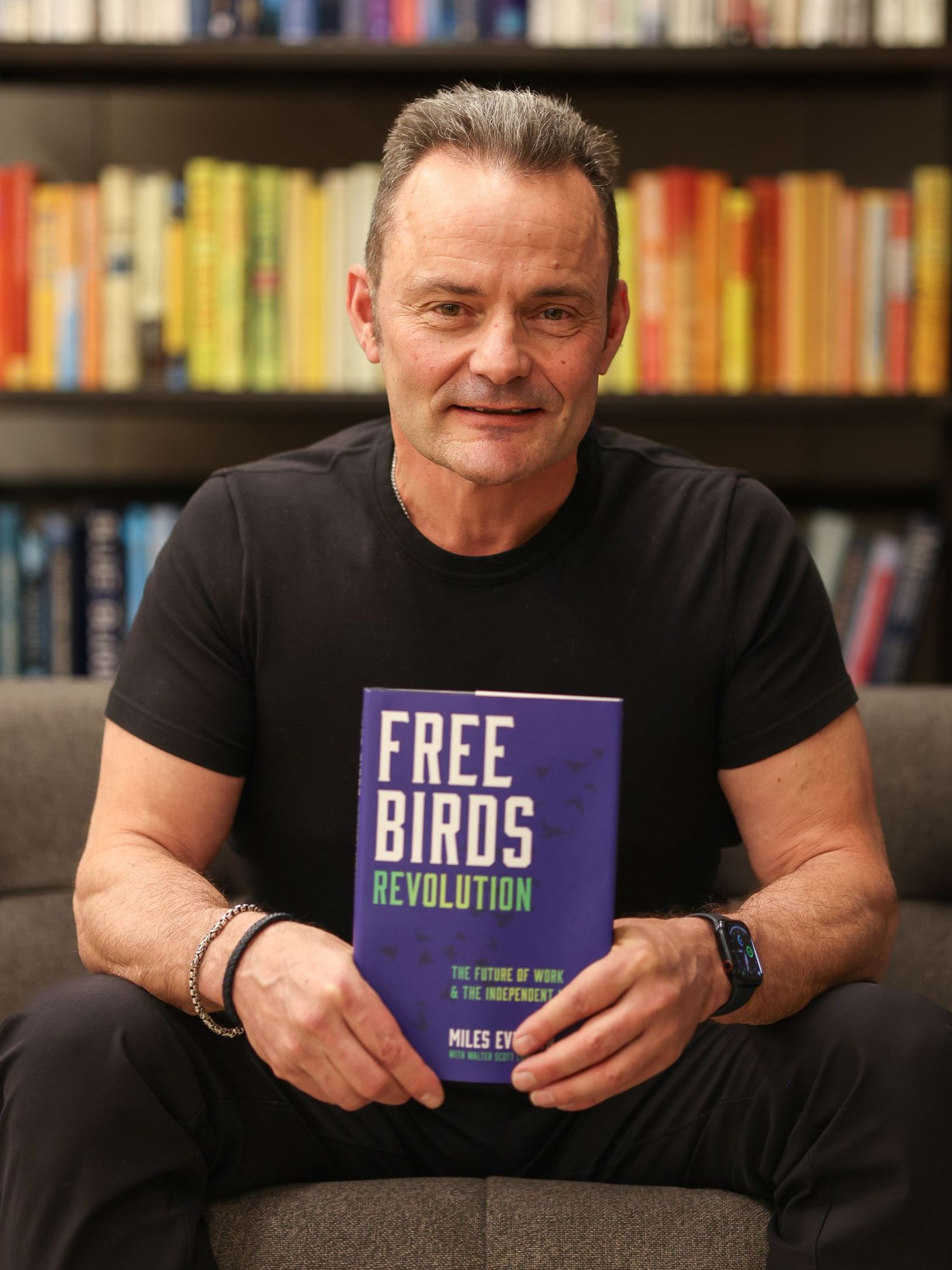
Miles Everson
CEO of MBO Partners and former Global Advisory and Consulting CEO at PwC, Everson has worked with many of the world's largest and most prominent organizations, specializing in executive management. He helps companies balance growth, reduce risk, maximize return, and excel in strategic business priorities.
He is a sought-after public speaker and contributor and has been a case study for success from Harvard Business School.
Everson is a Certified Public Accountant, a member of the American Institute of Certified Public Accountants and Minnesota Society of Certified Public Accountants. He graduated from St. Cloud State University with a B.S. in Accounting.