Xbox is undergoing a major strategic reset. Here’s why that’s happening.
In today’s article, we will talk about Microsoft’s gaming division, and the struggles that have plagued it for years. Curious? Keep reading below. |
|
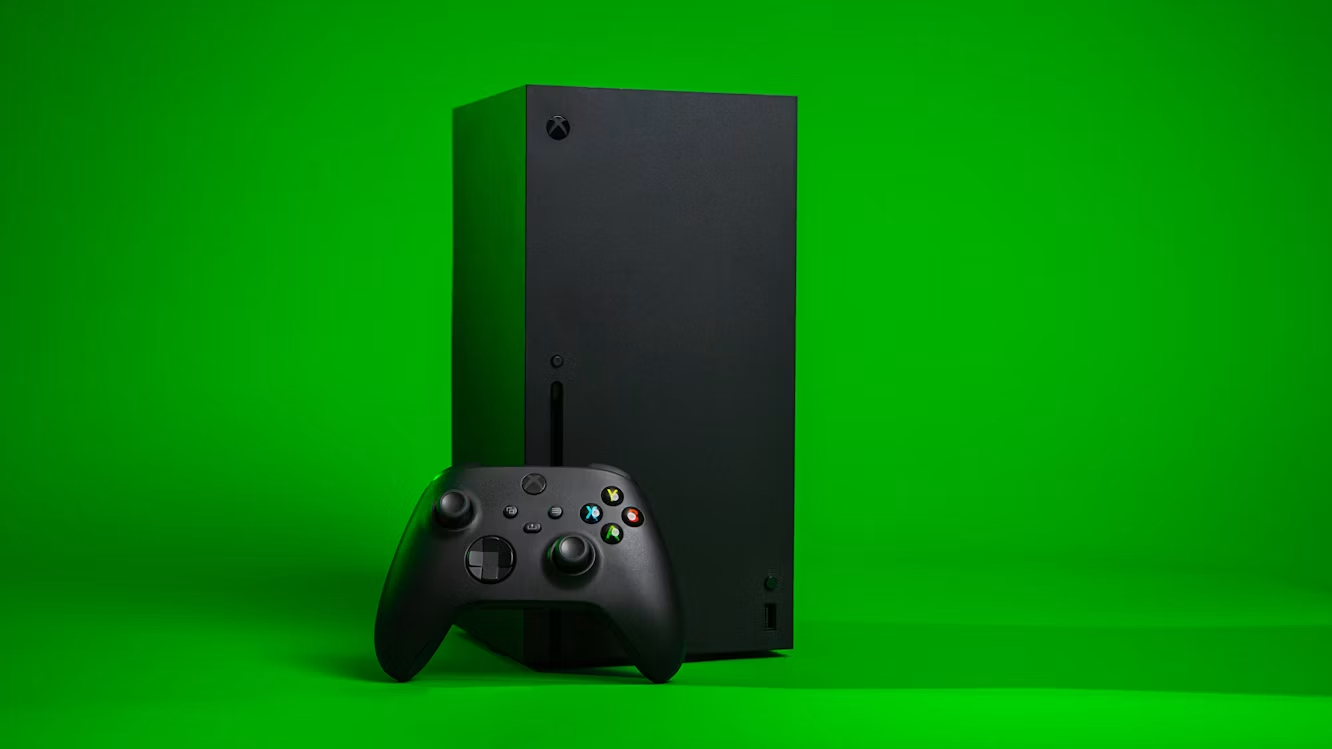
| Xbox is undergoing a major strategic reset. Here’s why that’s happening. The Microsoft-owned Xbox brand has long been one of the gaming industry’s most popular and established brands. Also referred to as Microsoft’s gaming division, this business segment formally launched in 2001 after the release of the first iteration of the Xbox console. Microsoft struck while the iron was hot. The Xbox earned positive reviews from gaming fans and critics alike. Then, the succeeding Xbox 360 was launched in 2005. The console, just like its predecessor, received positive reviews and critical acclaim. By the end of its lifecycle, the Xbox 360 sold roughly 84 million consoles globally. Its successor, the Xbox One, launched in 2013. Unfortunately, the console was marred by a disastrous launch. Seven years later, the Xbox Series X and Series S were launched. The Xbox brand doesn’t just make consoles, though. It also owns multiple video game developers known for franchises like “Halo,” “Gears of War,” “Forza,” “Fallout,” and “Call of Duty.” While the Xbox brand has a twofold strategy that has firmly entrenched its presence in the games industry, it hasn’t been able to leverage that for success. For well over a decade, the Xbox brand has struggled to compete against the likes of gaming powerhouses Sony and Nintendo. Unfortunately, Xbox’s years of struggles have culminated in major restructuring efforts, leading to layoffs and a change in direction for the gaming brand.
A Struggling Giant Xbox has struggled since the pandemic-era gaming boom ended. As a result, its sluggish performance has dragged down Microsoft’s More Personal Computing segment over the past five years. After posting an operating margin of 33% in 2020, the segment's margins gradually declined to just 26% in 2025. According to Microsoft’s latest 10–Q filing, gaming revenue has dipped by 6% due to drops in Xbox hardware and content and services sales. Meanwhile, hardware sales dropped 31% while content and services saw a 3% year-over-year decrease. As mentioned above, these struggles have forced Microsoft to undertake restructuring efforts that began earlier in 2026 with a major leadership change. In February, longtime Xbox CEO Phil Spencer retired, paving the way for Asha Sharma to assume the role. Then, in July 2026, Microsoft announced sweeping layoffs to its organization. 4,800 roles were cut, with 3,600 of them being Xbox staffers. The sweeping cuts will be carried out in two phases, with Xbox cutting 1,600 roles immediately and the remaining cuts carried out throughout the rest of Microsoft's fiscal year. Xbox will also divest four game studios while considering options for a fifth, which will eliminate an additional 350 employees. Building the “Netflix” of Games Prior to Sharma’s leadership, Xbox’s core strategy revolved around Game Pass, a subscription service that provided gamers access to Xbox’s massive games library for a monthly fee.
Central to Game Pass was Xbox’s acquisition strategy that it carried out in the 2010s. More recent acquisitions include gaming studios like Zenimax Media, owner of the “Fallout” and “ The Elder Scrolls” franchises, for USD 8 billion in 2020, and Activision Blizzard, maker of “Call of Duty,” for USD 75 billion in 2022. Microsoft and Xbox’s former leadership hoped that the inclusion of these games to its subscription service would help fuel subscriber growth for Game Pass, which in turn, would lead to higher sales for the Xbox brand overall. Unfortunately, those hopes didn’t materialize into reality. According to reports, Xbox only has roughly 30 million Game Pass subscribers… well below the 77 million it targeted for 2026. The integration of acquired gaming franchises into Game Pass also posed problems for Xbox. Instead of profiting from the highly lucrative “Call of Duty” franchise, the gaming division lost out on potential sales after new releases under the IP were initially included in Game Pass. To recapture lost sales, new “Call of Duty” games were removed from Game Pass to boost sales. The AI Boom and Memory Supply Shortages The AI boom that Microsoft has bet its future on has been a boon for the company. That said, the gargantuan demand for semiconductors such as memory modules and storage chips have made it difficult for Xbox to sell its consoles. With supply of these components hard to come by, Xbox was forced to raise the price of its gaming consoles between USD 100 and USD 150. A Business in An Unhealthy Standing Xbox’s struggles are best seen through two of Return Driven Strategy ’s (RDS) tenets— Fulfill Otherwise Unmet Customer Needs and Innovate Offerings.
Given these flaws to Xbox’s business strategy, it’s unsurprising that it has found itself in an unhealthy position. Sharma, Xbox’s current CEO, summarized the brand’s struggles succinctly in a letter: “Our business today is not healthy. We are operating at margins that are 3-10x lower than comparable platform and publishing businesses. We entered Gen 9 with a smaller install base and a higher cost structure. To grow, we bet on Game Pass, multi-platform, and a broader portfolio of content. While those businesses have created meaningful value, they did not grow at the pace we expected. As that happened, our core business weakened, and we added more teams, more investment, and more time, hoping for a better outcome. And now the industry is facing the most severe hardware crisis in its history. We must reset XBOX.” It remains to be seen how these restructuring efforts will pan out, as it will take years to see the impact of these initiatives. What’s clear is that Xbox, and by extension, Microsoft, have a lot of work to do to turn around the struggling business. — If you’re looking to gain a better understanding of Return Driven Strategy and Career Driven Strategy, we highly recommend checking out “Driven” by Professor Litman and Dr. Frigo. Click here to get your copy and learn how this framework can help you in your business strategies and ultimately, in ethically maximizing wealth for your firm. Hope you found this week’s insights interesting and helpful. Stay tuned for next Tuesday’s Return Driven Strategy! Walk into most gyms and you can almost feel it in the air. Learn more about Planet Fitness in next week’s article! |
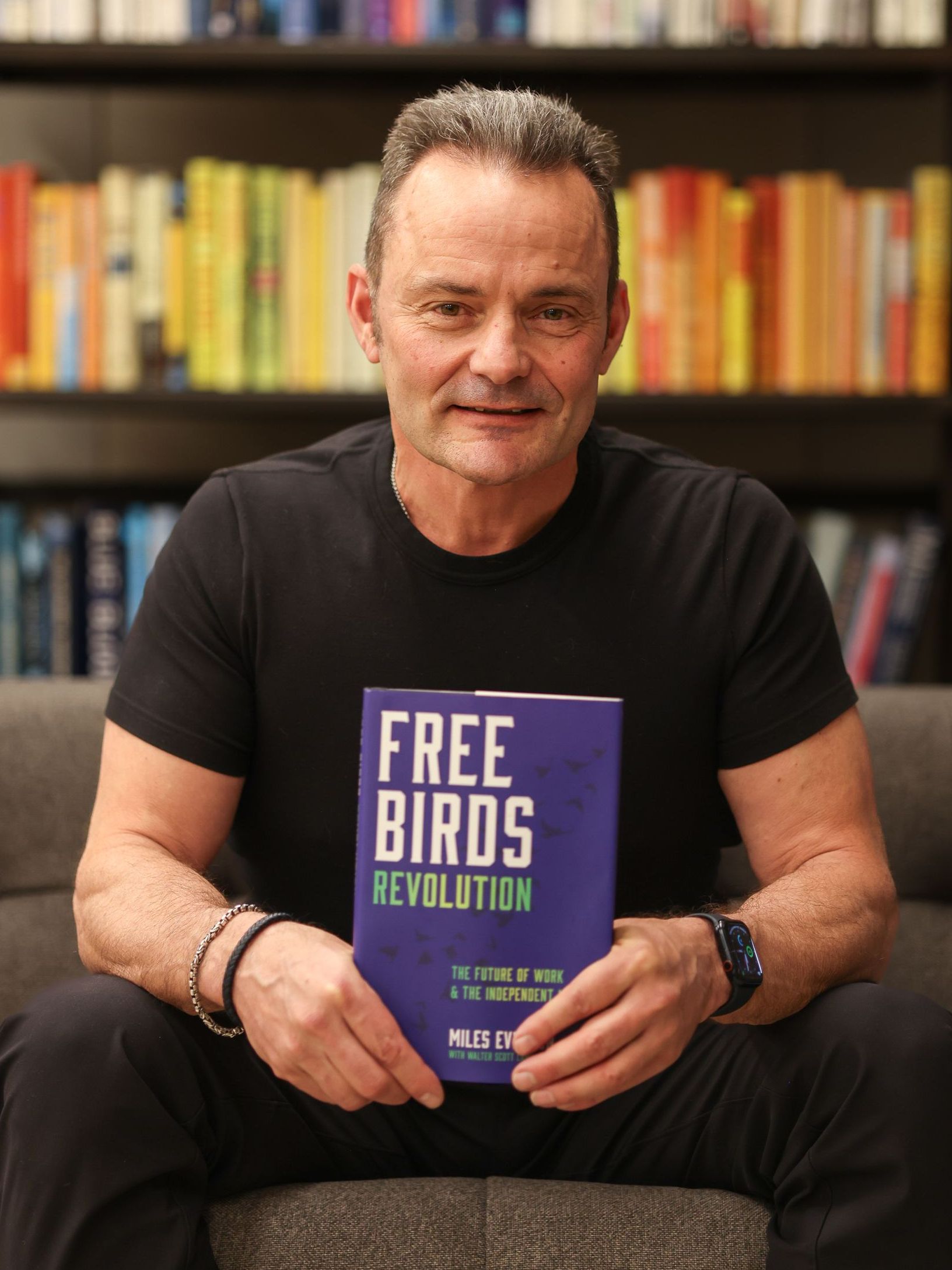
Miles Everson
CEO of MBO Partners and former Global Advisory and Consulting CEO at PwC, Everson has worked with many of the world's largest and most prominent organizations, specializing in executive management. He helps companies balance growth, reduce risk, maximize return, and excel in strategic business priorities.
He is a sought-after public speaker and contributor and has been a case study for success from Harvard Business School.
Everson is a Certified Public Accountant, a member of the American Institute of Certified Public Accountants and Minnesota Society of Certified Public Accountants. He graduated from St. Cloud State University with a B.S. in Accounting.