An "anti-corporation" that outsmarted corporate America? Know more about it here!
|
|
| Today, let’s focus on an American clothing retailer. Are you ready? Read on to learn more! An "anti-corporation" that outsmarted corporate America? Know more about it here! Imagine flipping through a magazine and stumbling upon a full-page ad urging you not to purchase the jacket it’s selling. Wait… what? Isn’t that absurd? Well, kind of. … but what if that bold move made you trust the brand even more? You see, in a world where marketing is usually louder, shinier, and more aggressive, there’s one company that has made a name for itself by doing the exact opposite. Yet, it still managed to become one of the most respected, profitable, and influential businesses on the planet. This is a story not just about outdoor gear, but about how purpose, profit, and principle can live in the same sentence. Let’s dig into the company that turned capitalism on its head and know why its strategy perfectly exemplifies Tenet 1 of the Return Driven Strategy (RDS) framework by Professor Joel Litman and Dr. Mark L. Frigo. What is Patagonia?
Founded in 1973 by climber and environmentalist Yvon Chouinard, Patagonia began as a small company that sold steel climbing gear. It later evolved into one of the world’s most beloved outdoor clothing and gear brands, known for its high-quality products and even higher standards for sustainability, ethics, and activism. But wait! Patagonia is much more than fleeces and hiking boots. It’s actually a mission-driven enterprise that operates with one clear purpose: “We’re in business to save our home planet.” Patagonia’s roots are deeply embedded in the California climbing scene of the 1960s and 70s. Chouinard, a self-taught blacksmith, originally made climbing pitons to protect rock faces. … but when he realized these tools were damaging the very landscapes he loved, he pivoted to creating clean climbing gear—an early indicator of the company’s commitment to ethical innovation <. Over time, Patagonia expanded into apparel and outdoor gear, maintaining a relentless focus on durability, function, and minimal environmental impact. What makes Patagonia significant in the world of business? Well, it’s not just its longevity, but also its leadership in ethical capitalism . Some of its landmark contributions include environmental stewardship, activism, and employee care. More importantly, the company’s strategy centers on value creation through values. Here's how:
Patagonia and Tenet 1 of Return Driven Strategy At the top of RDS is Tenet 1: Ethically Maximize Wealth. According to Professor Litman and Dr. Frigo, this isn’t about chasing short-term profit at all costs but about creating sustainable, long-term financial value through ethical means. Here’s how Patagonia nails it:
To sum it all up, Patagonia didn’t follow the standard playbook… and that’s precisely why it succeeded! It redefined what it means to be a business, proving that profit doesn’t have to come at the expense of purpose. If Tenet 1 of RDS is the guiding star for sustainable success, then Patagonia is a real-world case study in how to live it, breathe it, and build a billion-dollar brand around it. … because in a time when consumers, employees, and investors are demanding more from companies, Patagonia stands as proof that ethics are not a limitation but a competitive advantage. So, the next time you hear a company ask you not to buy something, listen closely. It might just be the sound of a truly sustainable strategy. — If you’re looking to gain a better understanding of Return Driven Strategy and Career Driven Strategy, we highly recommend checking out “Driven” by Professor Litman and Dr. Frigo. Click here to get your copy and learn how this framework can help you in your business strategies and ultimately, in ethically maximizing wealth for your firm. Hope you found this week’s insights interesting and helpful. Stay tuned for next Tuesday’s Return Driven Strategy! Ford has been one of the automotive industry’s biggest players for decades. However, the company has a “talent” problem on its hands. Learn more about how talent and skill can make or break a business in next week’s article! |


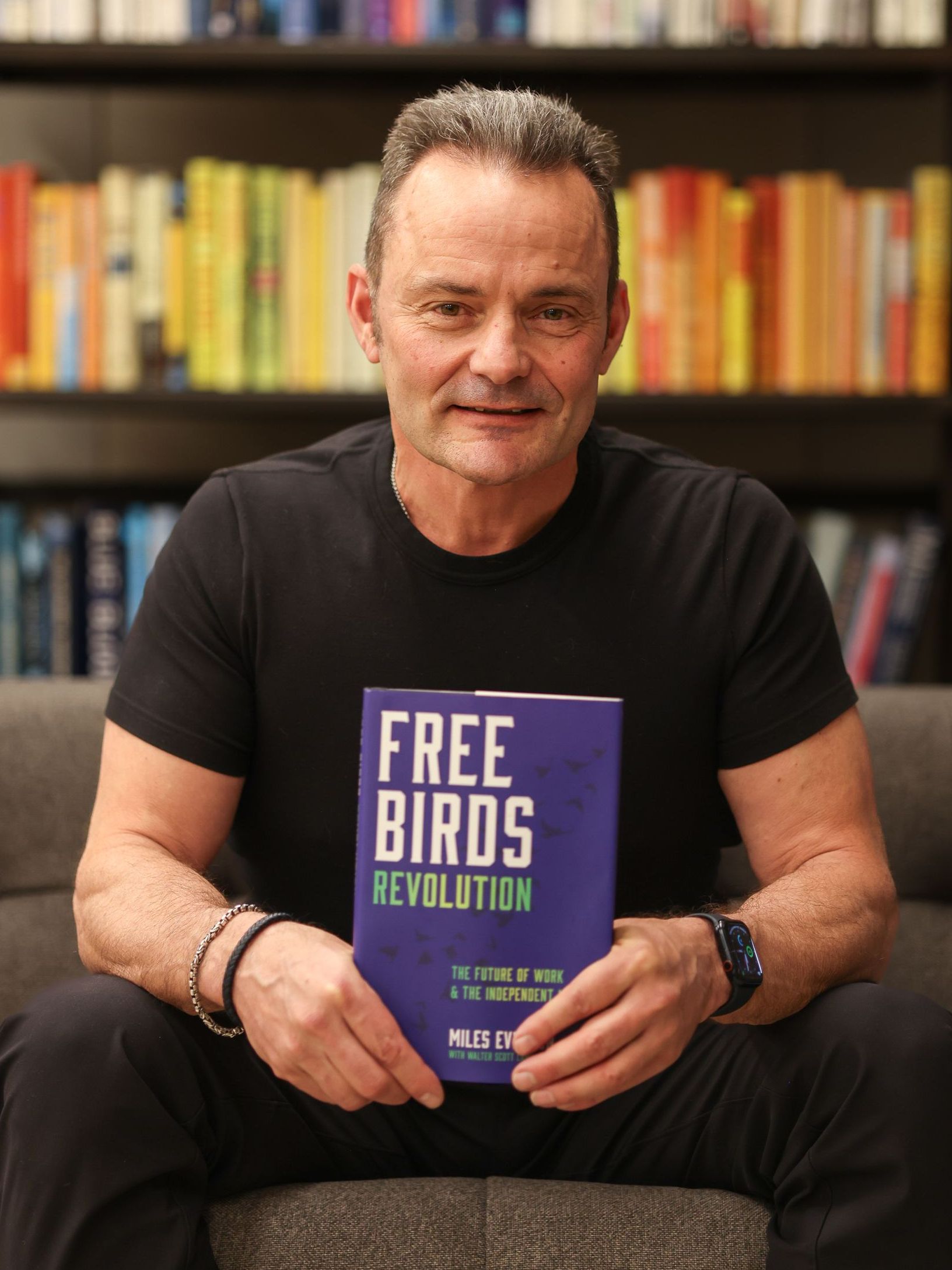
Miles Everson
CEO of MBO Partners and former Global Advisory and Consulting CEO at PwC, Everson has worked with many of the world's largest and most prominent organizations, specializing in executive management. He helps companies balance growth, reduce risk, maximize return, and excel in strategic business priorities.
He is a sought-after public speaker and contributor and has been a case study for success from Harvard Business School.
Everson is a Certified Public Accountant, a member of the American Institute of Certified Public Accountants and Minnesota Society of Certified Public Accountants. He graduated from St. Cloud State University with a B.S. in Accounting.