When Doing LESS Means Living MORE: Here's how stepping back moves you forward!
For today, let’s talk about another interesting book. Keep reading below to know more. |
|
When Doing LESS Means Living MORE: Here's how stepping back moves you forward! Imagine standing at the edge of a crowded street—neon lights flashing, billboards shouting for attention, and dozens of voices competing to be heard. Now, imagine slipping into a quiet garden just a block away. The noise fades. The world softens. For the first time in a long time, you feel like you can actually hear yourself think. In today’s world, that moment of silence feels almost impossible. Notifications buzz, emails pile up, deadlines loom, and the pressure to “stay connected” never sleeps. Productivity is glorified, multitasking is celebrated, and still, many of us feel drained, scattered, and strangely disconnected from what really matters. … but what if the most powerful way to reclaim your focus, creativity, and sense of purpose wasn’t to do more but to consciously do less ? That’s the radical question Jenny Odell explores in her thought-provoking book, “How to Do Nothing: Resisting the Attention Economy.”
At first glance, the title might sound counterintuitive, almost like an invitation to laziness. However, Odell’s message is anything but passive. Her argument is simple yet profound: In a culture that constantly demands our attention and productivity, the act of “doing nothing” becomes a powerful form of resistance and a pathway to deeper meaning in our lives. What the Book is Really All About At its core, “How to Do Nothing” is a manifesto for reclaiming your most valuable resource: Your ATTENTION. Odell shines a light on the “attention economy,” where tech giants and social platforms profit by keeping us perpetually engaged, distracted, and addicted to endless feeds of information. Every scroll, like, and notification is designed to pull us in further, until our mental bandwidth is so fragmented we can barely focus on the present moment. Here’s the good thing about Odell’s work, though: Instead of telling us to simply unplug or delete our apps, she simply invites us to think differently about what it means to be present. “Doing nothing” in her terms isn’t literal idleness. It’s about redirecting your attention towards what truly nourishes you—whether that’s watching birds in a park, connecting with loved ones, engaging with art, or simply noticing the world around you. It’s about choosing where and how your energy flows, rather than allowing it to be hijacked. Why does this matter for your life and career?
The Bigger Picture: Resisting the System Odell doesn’t just frame this practice as self-care. She frames it as a subtle rebellion. By refusing to give away your attention so easily, you’re rejecting a system designed to monetize distraction. Besides, in a world that equates worth with busyness and productivity, the act of slowing down and noticing becomes quietly revolutionary. So, how can you apply Odell’s principle in your own life?
See? Odell’s “How to Do Nothing” isn’t really about escaping the world but about re-entering it with fresh eyes and renewed presence. It’s a call to reclaim our attention, not just for ourselves, but for our relationships, creativity, and even collective future. After all, the most life-changing choice isn’t to speed up, do more, or stay endlessly “plugged in.” Sometimes, it’s to pause. To notice. To resist. To do, as Odell suggests, NOTHING. Why? That’s because in doing so, you’ll discover (or rediscover) everything that truly matters in life. I hope this topic made you ponder on such a thought. Advance happy weekend, everyone! For a daily version of this newsletter, please subscribe here. |


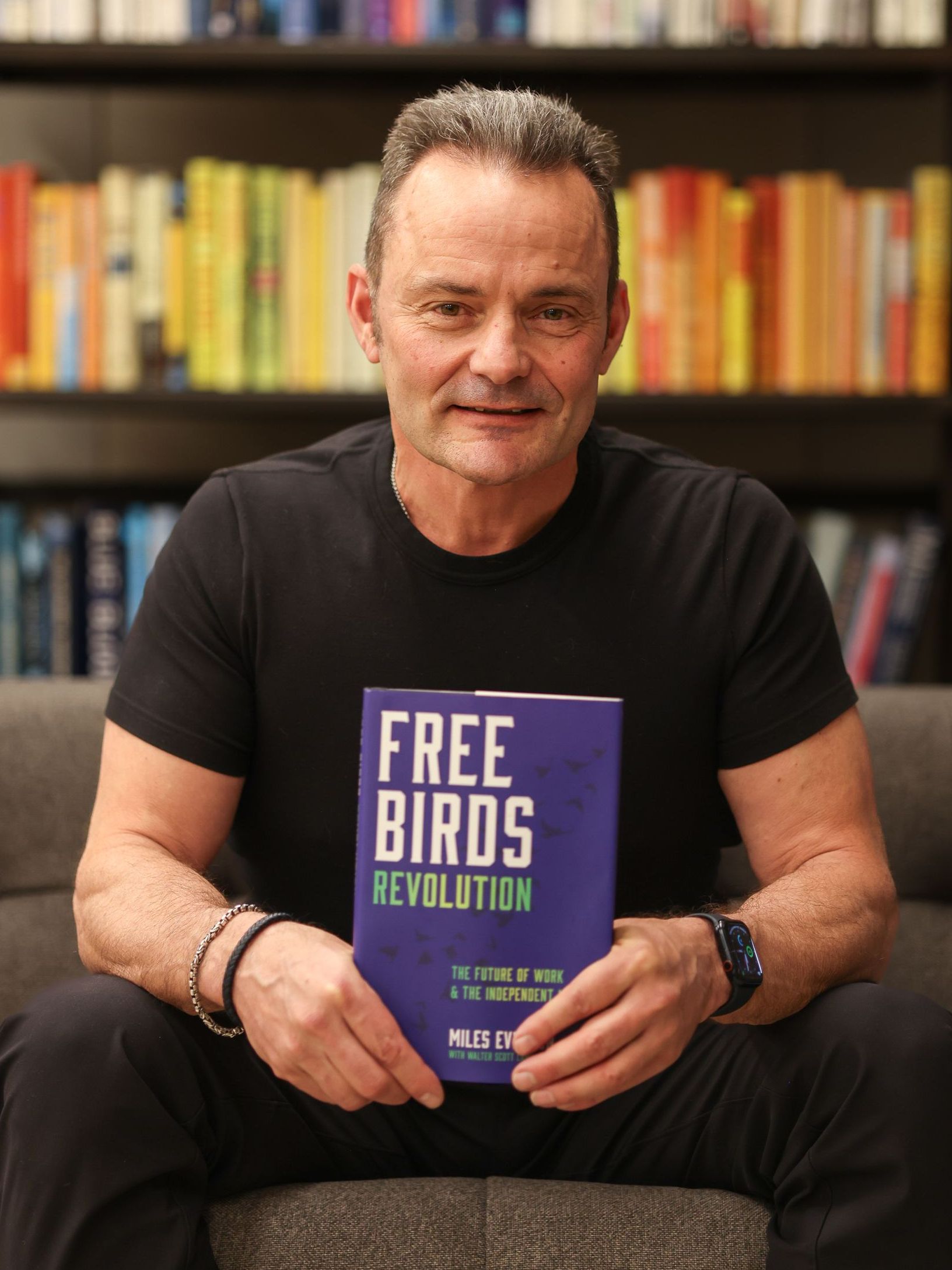
Miles Everson
CEO of MBO Partners and former Global Advisory and Consulting CEO at PwC, Everson has worked with many of the world's largest and most prominent organizations, specializing in executive management. He helps companies balance growth, reduce risk, maximize return, and excel in strategic business priorities.
He is a sought-after public speaker and contributor and has been a case study for success from Harvard Business School.
Everson is a Certified Public Accountant, a member of the American Institute of Certified Public Accountants and Minnesota Society of Certified Public Accountants. He graduated from St. Cloud State University with a B.S. in Accounting.