Sony has dominated gaming for more than a decade… but it wouldn’t have done so if not for this “Marvel.”
|
|
| In this article, we’ll talk about one of the most successful individuals in the gaming industry. Curious? Keep reading below to know more. Sony has dominated gaming for more than a decade… but it wouldn’t have done so if not for this “Marvel.” Since 2013, entertainment, electronics, and video game giant Sony has sold over 200 million units of gaming consoles, raking in billions of dollars in revenue. … and during this over-10-year period, there have been two console generations that have been released. In both cycles, Sony has dominated with the PlayStation 4 and PlayStation 5. In comparison, Nintendo has sold over 150 million units. Meanwhile, Microsoft ’s Xbox division trails both at roughly 86 million units sold. Simply said, there’s no denying that Sony has established itself as a powerhouse in the realm of gaming.
However, behind all this success is a group of individuals who worked hard to make all this possible. That’s why today, we’re going to highlight one of the key individuals behind the resurgence of PlayStation and its current run as the undisputed leader of the gaming console market. Who is this “Marvel?” Mark Cerny!
Cerny is an American video game designer and is currently the lead architect for Sony’s PlayStation 5. Prior to this, he was also tapped as the architect for the PlayStation 4 and Sony’s handheld PlayStation Vita. He is an industry veteran that has spent decades working on various video game projects. In 1982, he joined Atari and worked for its arcade division. A couple of years after joining Atari, Cerny came up with his first hit, the arcade game “Marble Madness” where he served as designer and co-programmer. Later on in the 1980s, Cerny joined Sega, working on various games like the massive hit “Sonic the Hedgehog 2. ” By 1992, Cerny joined Crystal Dynamics and two years after, he worked for Universal Interactive Studios where he served as president. During his tenure there, Cerny worked with Naughty Dog and Insomniac Games —two of today’s most recognizable game developers—to develop hit games such as “Crash Bandicoot" and “Spyro the Dragon. ” In 1998, Cerny finally set out on his own and set up his own game consulting company named after himself. As a consultant, he kept working with Naughty Dog, Insomniac, and Sony. By the mid-2000s and after the release of PlayStation 3, Sony made plans for the gaming console’s next iteration following dismal sales expectations. The PlayStation 3 was by no means a bad product. In fact, it was a technological powerhouse for its time. Unfortunately, this product was dragged down by the fact that developers had a difficult time developing games for it. Eventually, Sony’s management looked for individuals who could lead the development of the PlayStation 4… and as it turns out, they didn’t have to look far to lead those efforts. By this time, Cerny had been working with Sony for a long time and had built relationships with key figures like Shuhei Yoshida, then-president of the company’s gaming division. Since Yoshida had consulted with Cerny before, this made the latter the perfect candidate to become the lead designer of the PlayStation 4 that was released in 2013. The PlayStation 4 subsequently became one of the most successful gaming consoles of its generation and Cerny played a pivotal role. When time came for the development of the PlayStation 5, he was tapped for the lead designer role again.
Aside from leading the development of those consoles, he was tapped as a consultant for some of Sony’s most successful video games like “Marvel’s Spider-Man” and “Death Stranding. ” It’s clear by now that Cerny’s reputation as one of the most important figures in gaming has been solidified, after being an integral piece of the products that have collectively sold millions of units and raked in billions of revenue for Sony. That said, what enabled him to attain this level of success? Since taking on lead roles in console development at Sony, Cerny adopted the practice of consulting with Sony’s first-party developers and other game studios to gather feedback about Sony’s gaming coles. These consultations, which followed two-year cycles, led to mid-generation software improvements and hardware revisions to both the PlayStation 4 and 5. Aside from consulting with developers, Cerny developed what was called the “method process” in developing video games. Under this process, creatives were given free reign in exploring a game’s viability before they went to full production. This essentially enabled developers to fully flesh out the viability of their ideas before committing resources in developing a prospective game. This meant game studios wouldn’t end up developing games that were still half baked or weren’t commercially viable. With these in mind, it becomes unsurprising to find out just how successful Cerny is. After all, by adopting a highly efficient development process and keeping an eye out for constant feedback, he was able to get the company and studios he worked with to come up with successful products and games! So, the next time you look for someone to emulate, keep his story in mind! Hope you’ve found this week’s topic interesting and helpful. Stay tuned for next Monday’s Marketing Marvels! Before the hype, before the headlines, before the glitz of global success, there’s often skepticism— doubt. Learn more about Victoria Beckham in next week’s article! |


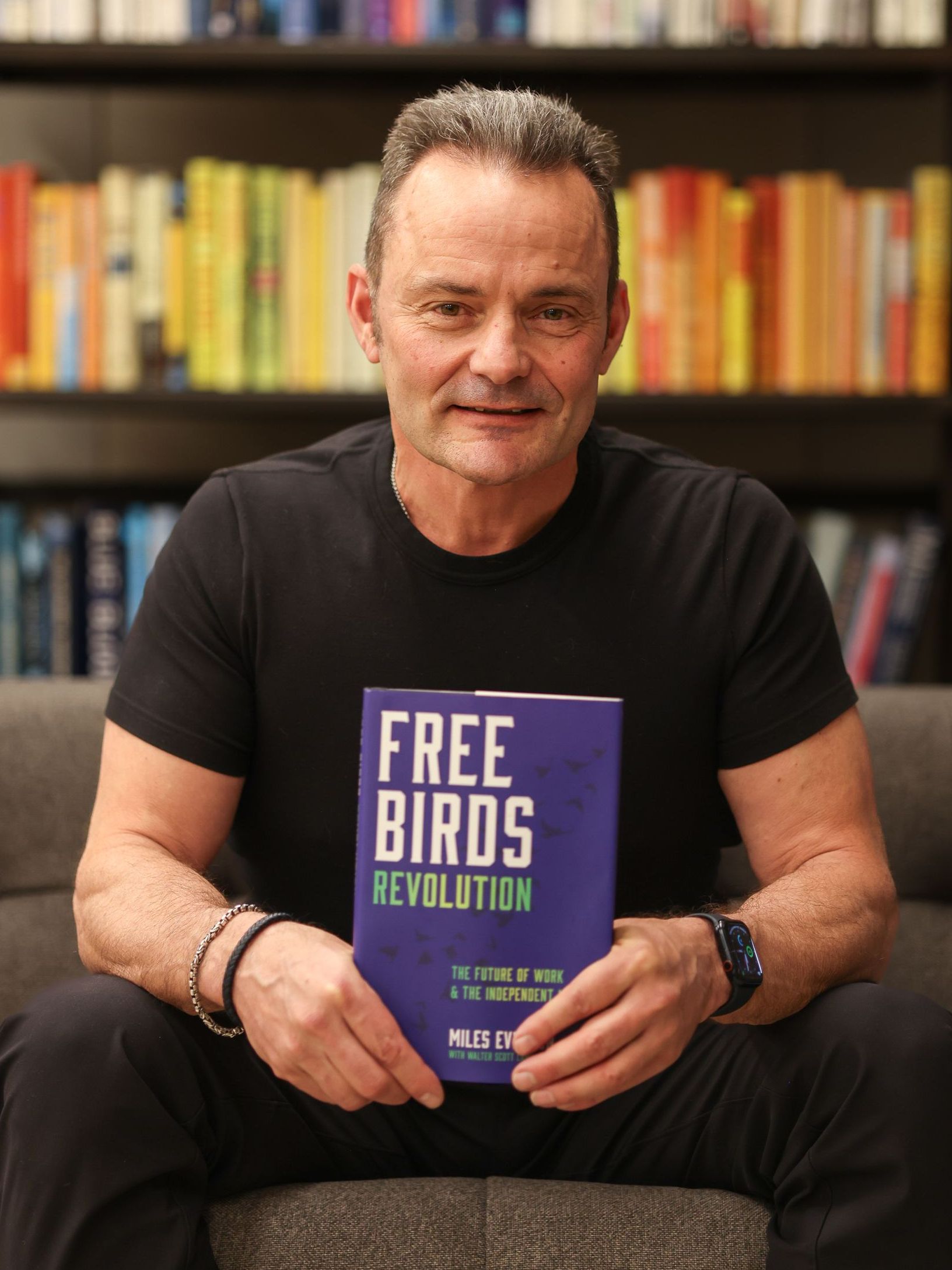
Miles Everson
CEO of MBO Partners and former Global Advisory and Consulting CEO at PwC, Everson has worked with many of the world's largest and most prominent organizations, specializing in executive management. He helps companies balance growth, reduce risk, maximize return, and excel in strategic business priorities.
He is a sought-after public speaker and contributor and has been a case study for success from Harvard Business School.
Everson is a Certified Public Accountant, a member of the American Institute of Certified Public Accountants and Minnesota Society of Certified Public Accountants. He graduated from St. Cloud State University with a B.S. in Accounting.