When Memories Literally DRIVE Marketing: Here's how one car brand turned nostalgia into sales!
|
|
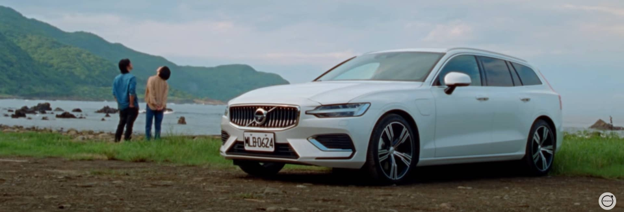
| Speaking of “memorable,” let’s take a look at how one company turned such a memory into momentum. Are you ready? Read on to know more! There are moments when a song, line from a movie, or familiar scene suddenly pulls you back in time. … and for a brief second, the world pauses. You remember who you were, what you dreamed of, and the person you hoped you would become. Brands rarely tap into that feeling successfully. Besides, most advertising tries to capture attention with louder visuals, bigger claims, or more aggressive messaging. … but the campaigns that truly resonate? They do something different: They remind people of who they are . In Taiwan, one campaign quietly proved just how powerful that approach can be. Instead of selling horsepower, luxury, or technical specifications, it sold something far more personal: IDENTITY. In doing so, it transformed a niche car into a cultural conversation. The campaign centered on the Swedish automotive brand Volvo Cars and its premium station wagon, the Volvo V60. For decades, Volvo has built a global reputation around safety, Scandinavian design, and understated sophistication. While many automotive brands lean heavily into speed or status, Volvo’s identity has often been about thoughtful engineering and purposeful living. However, even strong brands face tough market realities. In Taiwan, station wagons occupy a particularly narrow space in the automotive landscape. Consumer preferences tend to lean heavily toward sedans and SUVs, leaving wagons like the V60 in a relatively niche segment. That meant the brand needed more than just a traditional advertising push; it needed a story that would resonate with a specific type of buyer. To bring that story to life, Volvo partnered with the global creative network Dentsu Creative, specifically its Taiwan team. The result was a 2021 campaign titled, “Finally ME.”
The Challenge: Selling Individuality in a Conformist Market Marketing a niche vehicle always comes with challenges. In Taiwan, where practicality and familiarity often guide car-buying decisions, convincing consumers to consider a station wagon required more than highlighting product features. Volvo needed to overcome two major obstacles:
The campaign also had a deeper objective. Volvo didn’t just want to sell more cars but also wanted to build a meaningful emotional connection with a particular generation of Taiwanese consumers who valued individuality and authenticity. So, instead of competing on practicality or price, the brand decided to focus on identity . Who were the people most likely to appreciate a vehicle like the V60? The answer lay in a generation that grew up believing life should be lived on their own terms. The Cultural Insight: A Film That Defined a Generation To unlock that emotional connection, the campaign turned to a beloved piece of Taiwanese pop culture: The film, “Blue Gate Crossing.”
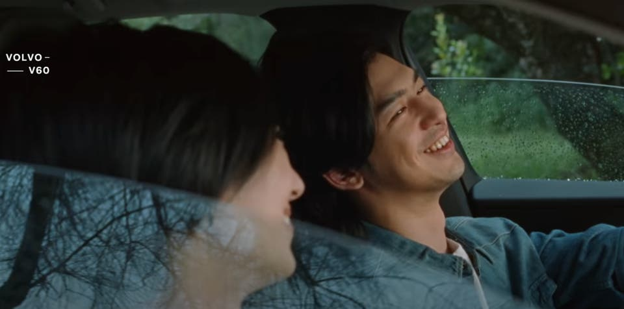
Released in 2002, the coming-of-age movie became a cultural touchstone for many young Taiwanese viewers. It captured the uncertainty, innocence, and quiet rebellion of youth—moments that linger long after adolescence ends. For the generation that grew up with the film, its themes remained deeply relatable even years later. The campaign reunited two of the movie’s stars, Bo-Lin Chen and Lun-Mei Gwei, recreating the emotional tone of the original story while reflecting on the passage of time. … but this wasn’t just a nostalgic reunion. Turns out, it was also a conversation with the audience. The Idea: “Finally ME” At the heart of the campaign was a simple yet powerful reflection drawn from the film’s unresolved question: “Did we grow up to become the adults we once promised ourselves we wouldn’t be?” For many viewers who first watched “Blue Gate Crossing” in their youth, this question felt deeply personal. Life had moved forward—careers, responsibilities, and routines—but somewhere inside was the same desire to remain authentic. The campaign reframed the Volvo V60 as a symbol of that authenticity. Choosing the car wasn’t about following trends or buying the most conventional option. It was about staying true to oneself. The message was clear: The Volvo V60 is for people who refuse to follow the crowd. Bringing the Story to Life Rather than relying on a single advertisement, the campaign unfolded across multiple platforms. The centerpiece was a cinematic film that captured the reflective tone of the original movie while placing the Volvo V60 naturally within the story.
Supporting elements included:
The narrative-driven approach allowed audiences to rediscover characters they loved while simultaneously connecting the story to their present-day lives. Instead of feeling like advertising, the campaign felt like revisiting a chapter of their own past. Such emotional authenticity made all the difference. The Results: When Emotion Drives Performance
For a niche vehicle in a challenging category, these results represented a MAJOR breakthrough. Clearly, the campaign didn’t just generate attention; it also translated cultural storytelling into real business outcomes! What’s more? The campaign received several industry recognitions, including:
These accolades reflected not only the campaign’s creative execution but also its strategic insight. Kudos, Volvo and Dentsu! — The campaign worked because of several factors:
See? In an era dominated by algorithmic targeting and performance dashboards, it’s easy to forget the enduring power of storytelling. Thankfully, the “Finally ME” campaign offers an important reminder: People rarely form lasting relationships with products; they form relationships with stories. By connecting a car to the emotional journey of growing up and staying true to oneself, Volvo transformed a niche vehicle into a meaningful symbol of individuality. … and sometimes, that’s the most powerful marketing strategy of all. Hope you’ve found this week’s guerrilla marketing insight interesting and helpful. Stay tuned for next Thursday’s Gorillas of Guerrilla Marketing! Do you want to know how one brand worked around the problem about Gen Z cohorts encountering many ads each day ? See it in next week’s article! |


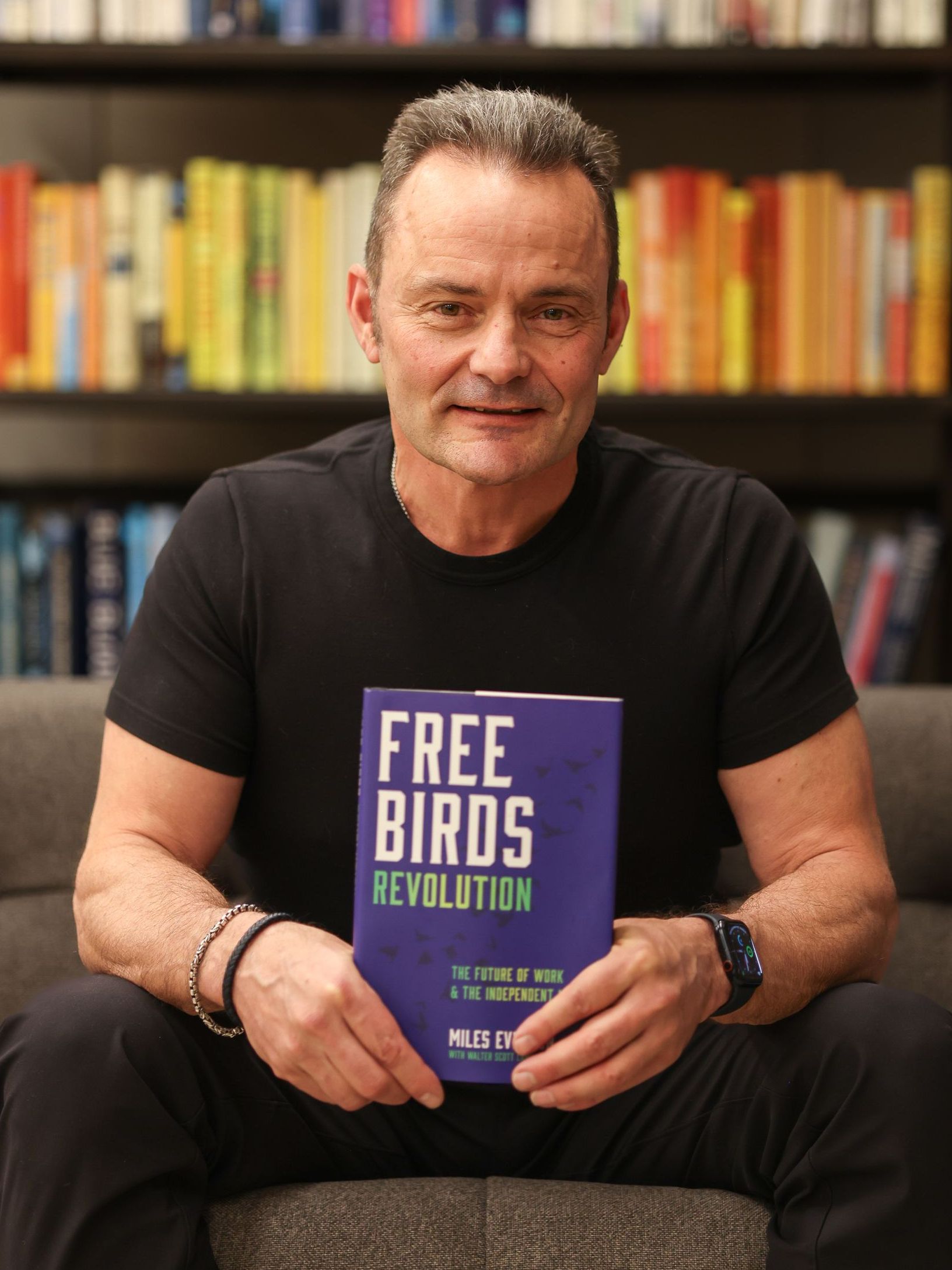
Miles Everson
CEO of MBO Partners and former Global Advisory and Consulting CEO at PwC, Everson has worked with many of the world's largest and most prominent organizations, specializing in executive management. He helps companies balance growth, reduce risk, maximize return, and excel in strategic business priorities.
He is a sought-after public speaker and contributor and has been a case study for success from Harvard Business School.
Everson is a Certified Public Accountant, a member of the American Institute of Certified Public Accountants and Minnesota Society of Certified Public Accountants. He graduated from St. Cloud State University with a B.S. in Accounting.