“Why so serious?” Here's the science-backed case for not taking everything so seriously!
Ready? Continue reading below for more. |
|
| There’s a strange moment many adults recognize: The day you realize you can’t remember the last time you laughed so hard your stomach hurt. … and no, it’s not a polite chuckle. Not a work-safe smile. Instead, it’s the kind of laughter that leaves you breathless, teary-eyed, and temporarily unconcerned with deadlines, emails, or the state of the world. You see, somewhere between meetings, responsibilities, and the pressure to “have it together,” play quietly exits the room. We tell ourselves we’ll get back to it—after the promotion, after the crisis, or after things calm down. However, they rarely do. … but what if the thing we keep postponing is actually the thing that helps us cope, heal, and move forward? Let’s delve deeper into that. Humor as Emotional First Aid
At their core, laughter and play create psychological distance. They help us step outside our problems long enough to breathe, reframe, and regain perspective. When we laugh, the body releases tension, lowers stress hormones, and gives the nervous system a brief but powerful reset. When we play, we practice curiosity, flexibility, and creativity—skills that adulthood desperately needs but often forgets how to access. This isn’t about forcing positivity or joking away pain. It’s about allowing lightness to coexist with difficulty. Besides, you can be serious about your goals and playful in how you live. One doesn’t necessarily cancel out the other. What’s more? Laughter is one of the fastest ways to interrupt a stress spiral. When something feels overwhelming, humor can act as a pressure valve, releasing just enough tension to make the situation manageable again. In your daily life, this might look like:
Keep in mind, though: Humor doesn’t minimize challenges; it humanizes them. It reminds us that we’re allowed to be imperfect, that life is occasionally ridiculous, and that we don’t have to carry everything with solemn intensity. Over time, this shift can improve emotional resilience. Using humor in healthy ways often helps you recover faster from setbacks, experience less emotional burnout, and feel more connected to others. Meanwhile, play tends to get mislabeled as unproductive… but in reality, it sharpens many of the skills modern life demands. After all, play encourages experimentation without fear of failure. There’s no “wrong” way to play, which makes it a safe space to take risks. This mindset directly translates to problem-solving, creativity, and innovation, especially in professional settings where perfectionism can stall progress. In your career, play can:
Even small playful habits—brainstorming freely, turning tasks into games, or allowing moments of humor during meetings—can make work feel more human AND sustainable. Why This Matters for Overall Well-Being Mental health isn’t just about managing stress or avoiding burnout. It’s also about building a life that feels alive. This is where humor and play come into the picture as they help regulate emotions, support physical health, and improve mood. They create moments of presence—those rare instances where you’re fully in the moment instead of just mentally jumping to the next responsibility. What else? Humor and play also give us permission to rest without guilt! Play doesn’t need to earn its place. It’s valuable simply because it nourishes the mind and body. This doesn’t require a personality overhaul or a forced sense of humor. It starts small and personal. You might:
The goal isn’t to be happy all the time. It’s simply to create space for lightness when you can , especially when life feels heavy. The bottom line? Growing up doesn’t have to mean growing dull. Being responsible doesn’t require being joyless. Taking life seriously doesn’t mean you can’t laugh along the way. Humor and play aren’t luxuries reserved for good days. They’re essentials —quietly improving our mental health, strengthening our relationships, and helping us navigate life with a little more ease. … because sometimes, the most productive thing you can do for your well-being is laugh. Be joyful, everyone! For a daily version of this newsletter, please subscribe here |


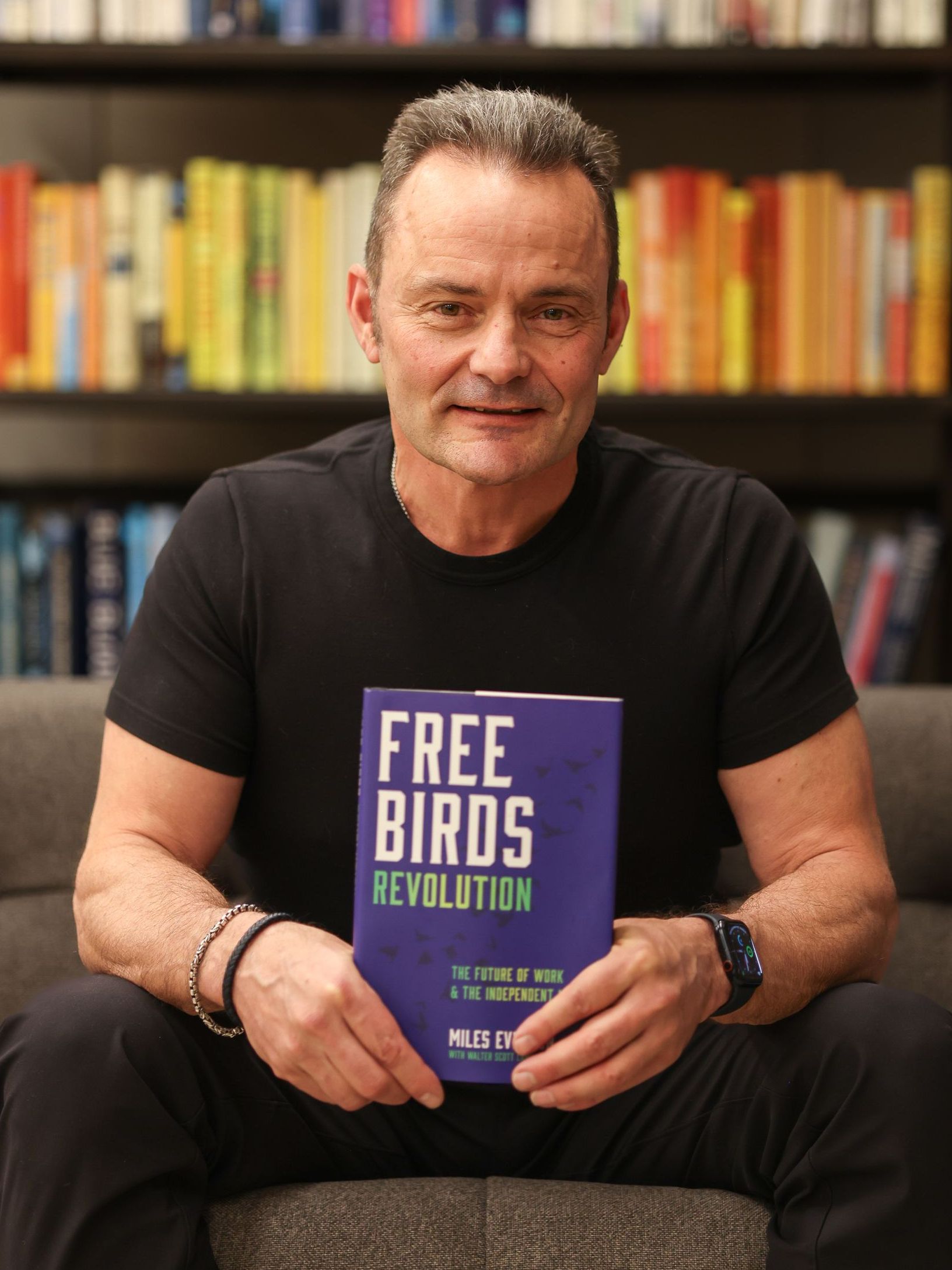
Miles Everson
CEO of MBO Partners and former Global Advisory and Consulting CEO at PwC, Everson has worked with many of the world's largest and most prominent organizations, specializing in executive management. He helps companies balance growth, reduce risk, maximize return, and excel in strategic business priorities.
He is a sought-after public speaker and contributor and has been a case study for success from Harvard Business School.
Everson is a Certified Public Accountant, a member of the American Institute of Certified Public Accountants and Minnesota Society of Certified Public Accountants. He graduated from St. Cloud State University with a B.S. in Accounting.