How did this Greek yogurt brand transform an industry one cup at a time
| From the desk of Miles Everson: Welcome to today’s edition of “Return Driven Strategy (RDS)!” For those of you who aren’t familiar with this yet, RDS is a pyramid-shaped framework with 11 tenets and 3 foundations. When applied properly, these concepts help businesses achieve their goals. In today’s article, let’s talk about this framework through another business case study. Curious? Read on below to know more. |
Imagine walking into your local grocery store a couple of decades ago… The yogurt aisle? Pretty uninspiring. Ordinary flavors. Sugary, overly processed options. Nothing that made you think: “Wow, I actually want to eat this every day.” Now, fast forward to today… That same aisle bursts with creamy Greek yogurt, probiotic-rich options, and flavors you never thought could exist. How did we get here? What does it take for a small, scrappy startup to not just enter a crowded market but also transform it entirely? The story of Chobani is exactly that—a tale of vision, perseverance, and smart strategy that changed the way America eats yogurt. However, beyond the food itself, it’s a story about creating wealth ethically, fulfilling unmet customer needs, and delivering consistently excellent offerings—principles that mirror the tenets of the Return Driven Strategy (RDS) framework by Professor Joel Litman and Dr. Mark L. Frigo.
The Birth of Chobani Founded in 2005 by Hamdi Ulukaya, a Turkish immigrant with a vision, Chobani started in a small, rented factory in upstate New York. During this time, Ulukaya recognized a gap in the U.S. market: Greek yogurt—rich, creamy, high in protein—was a niche product largely unknown to American consumers. Most yogurt at the time was sweet, thin, and uninspiring. He saw an unmet need and seized the opportunity. Basically, Chobani wasn’t just about yogurt; it was also about quality, authenticity, and a better way of doing business. The company emphasized natural ingredients, non-GMO milk, and no artificial preservatives, setting a standard that many would follow Here’s how:
Through these contributions, Chobani became more than a brand; it became a symbol of purpose-driven growth. Now, let’s take a look at Chobani’s business strategy:
What else? Chobani’s approach aligns remarkably well with three key tenets of RDS:
— Clearly, Chobani is more than just a yogurt brand. It’s a case study in how values-driven strategy, operational excellence, and customer focus create both financial success and social impact. From humble beginnings to a market leader, Chobani exemplifies how businesses can grow sustainably while ethically maximizing wealth, fulfilling real customer needs, and delivering consistently on promises. … and in today’s crowded markets, Chobani’s journey is a reminder that success isn’t just about being first but also (and more importantly) about being meaningful, reliable, and ethical. That, in a nutshell, is what makes a company truly return-driven. If you’re looking to gain a better understanding of Return Driven Strategy and Career Driven Strategy, we highly recommend checking out “Driven” by Professor Litman and Dr. Frigo. Click here to get your copy and learn how this framework can help you in your business strategies and ultimately, in ethically maximizing wealth for your firm. Hope you found this week’s insights interesting and helpful. Stay tuned for next Tuesday’s Return Driven Strategy! Xbox is one of gaming’s most popular brands. However, it has struggled in recent years. Learn more about Xbox’s struggles in next week’s article! |


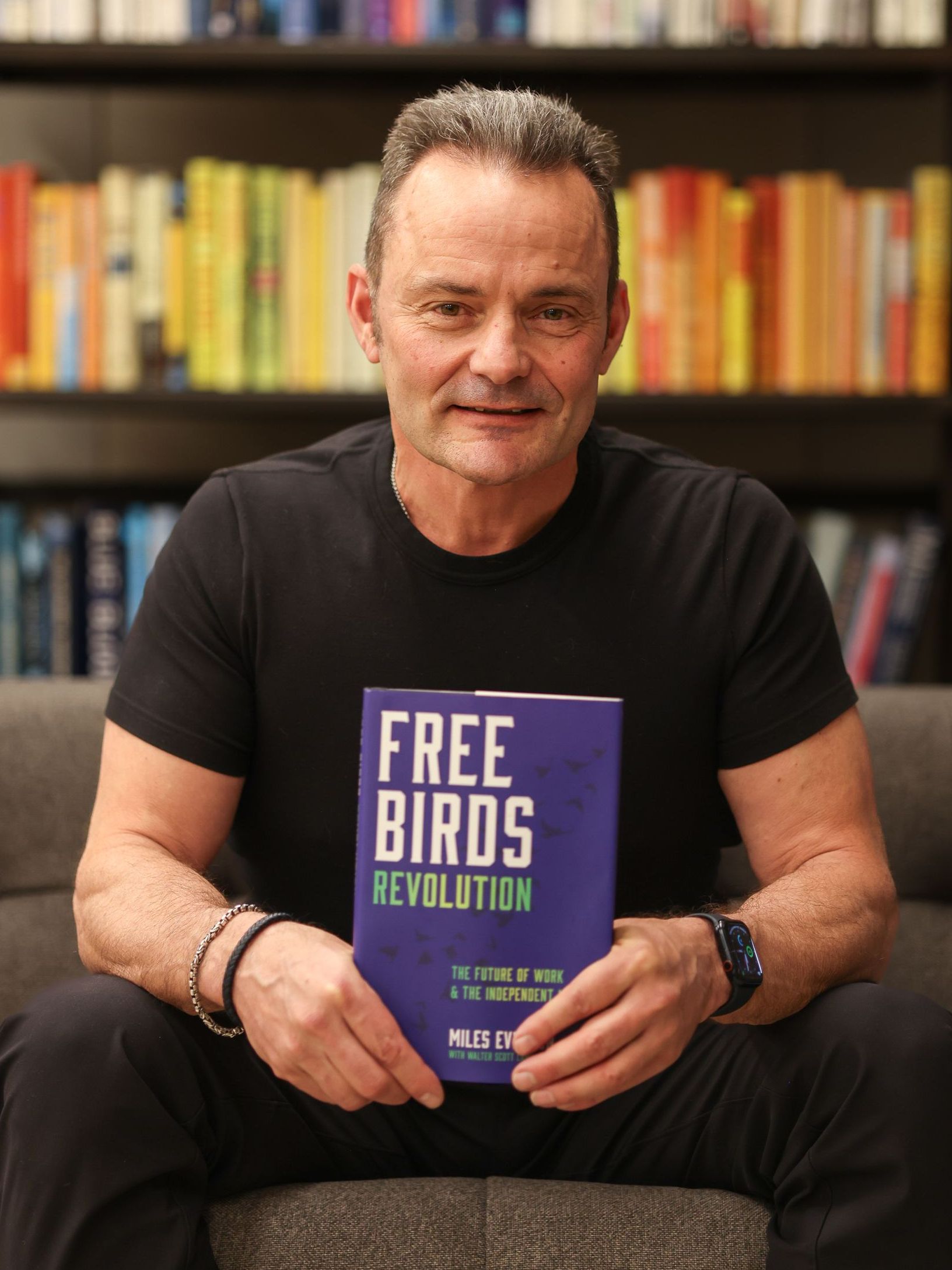
Miles Everson
CEO of MBO Partners and former Global Advisory and Consulting CEO at PwC, Everson has worked with many of the world's largest and most prominent organizations, specializing in executive management. He helps companies balance growth, reduce risk, maximize return, and excel in strategic business priorities.
He is a sought-after public speaker and contributor and has been a case study for success from Harvard Business School.
Everson is a Certified Public Accountant, a member of the American Institute of Certified Public Accountants and Minnesota Society of Certified Public Accountants. He graduated from St. Cloud State University with a B.S. in Accounting.