Humility and adaptability are the best traits you can have in today’s fast-moving landscape. Here’s why.
|
|
| Today, we’ll talk about the importance of humility and adaptability, especially in today’s fast-moving landscape. Want to know more? Continue reading below. Tim Cook shocked the world as he announced that he would be stepping down as Apple CEO on September 1, 2026. Cook’s tenure as Apple’s chief executive is nothing short of amazing. He took a revolutionary company worth USD 350 billion in 2011 to a USD 4 trillion dollar juggernaut as of 2026. Cook also turned Apple into a digital services giant. He expanded the company’s hardware offerings to include cloud-based digital services and wearable devices. On top of those things, he built a reputation for being a supply chain genius. To sum up, Cook took Apple to new heights and created a legacy that's uniquely his and free from the shadow of legendary CEO Steve Jobs. That doesn’t mean his legacy is free from cracks, though. When Your Biggest Strengths Become a Liability In a Fortune commentary piece, executive coach Andrea Petrone points out that the very strengths Cook used to turn Apple into the giant that it is today eventually turned out to be his “biggest liability.” Petrone said that Cook’s identity centered around these key traits:
However, once artificial intelligence (AI) hit the scene and Apple had to make immediate moves, Cook’s tendency for deliberation “ had become the thing slowing it (Apple) down.” This was evident in the controversy and the failed launch of Apple Intelligence and the AI-powered Siri—the very offerings that were hyped as Apple’s response to the AI boom. Petrone said that the most difficult conversation she’s had with executives is: “The moment they realize the leader they’ve been, the one that earned everything, is the leader they now need to outgrow. The room gets very quiet. Because they’re not being told to work harder or think smarter. They’re being asked to become someone they don’t fully recognise yet.” She then said that Cook dealt with this situation his own way: By handing over the reins to John Ternus long before the market forced him to step aside. Disclaimer : We’re not attempting to challenge the validity of Petrone’s point nor are we trying to criticize Cook’s leadership of Apple. That said, she did raise an interesting point in her commentary piece about leadership: A leader’s identity can become both his or her biggest strength and liability. From Greatest Strength to Biggest Liability This idea seems paradoxical at first glance, but it can happen. So, how do you prevent your greatest strength from becoming your biggest liability? The answer lies in humility and adaptability. As we’ve said before, humility is a process of honest self-appraisal where successes are recognized and areas for improvement are embraced. It takes immense courage to ask yourself if the current version of yourself is the one suited to address a specific challenge or moment… but nonetheless, it’s what you need to do if you want to stay on top of your game. By being humble enough to ask yourself this question, you’re putting yourself in a better position to address what needs to be done in the present moment. Only when you’ve been humble enough to ask yourself if you have what it takes to address the problems of the present could you adapt and pivot. After all, if you’re so set in your ways and believe fully in your strengths, how could you just suddenly decide to change directions and do something different? — Adaptation requires the courage to be humble. Today’s world is changing fast, and it’s now demanding more from leaders and professionals more than it ever did before. So, if you don’t want to get left behind and keep thriving in an ever-changing world, make sure to stay humble and adaptable. Having these qualities will ensure that no matter what happens, you’ll be able to pivot quickly and effectively. For a daily version of this newsletter, please subscribe here. |

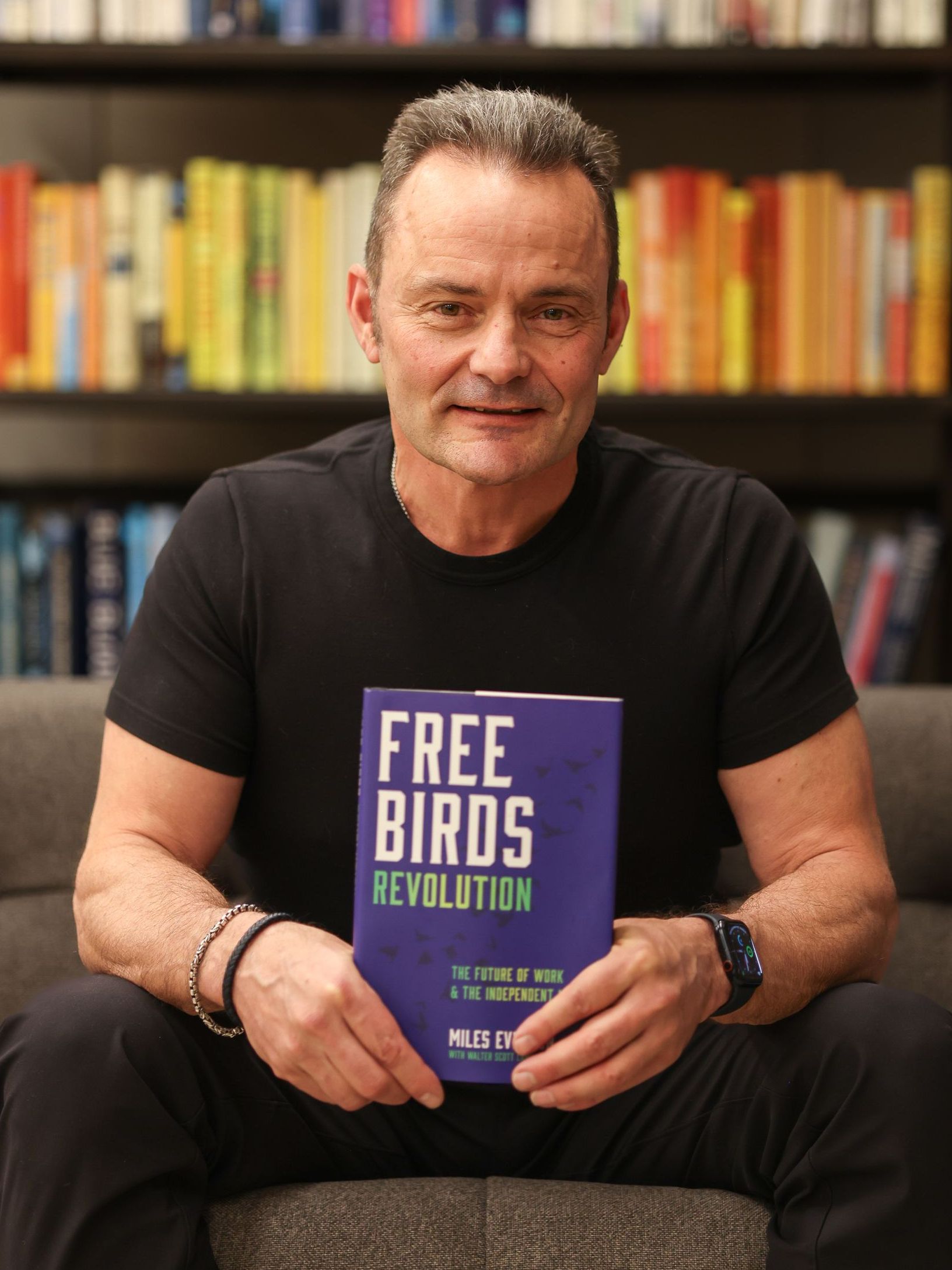
Miles Everson
CEO of MBO Partners and former Global Advisory and Consulting CEO at PwC, Everson has worked with many of the world's largest and most prominent organizations, specializing in executive management. He helps companies balance growth, reduce risk, maximize return, and excel in strategic business priorities.
He is a sought-after public speaker and contributor and has been a case study for success from Harvard Business School.
Everson is a Certified Public Accountant, a member of the American Institute of Certified Public Accountants and Minnesota Society of Certified Public Accountants. He graduated from St. Cloud State University with a B.S. in Accounting.