Turning Broken Promises into Wins: Here's how a "Frosty Fix" outplayed the competition!
In this article, let me share with you a guerrilla marketing strategy that is equal parts fun and witty. Read on to learn more! |
|
People expect disappointment from certain things—lost socks, late-night group chat replies, and the one grocery cart with the squeaky wheel. However, there’s a specific kind of heartbreak that hits differently. It’s that cruel moment when your craving peaks, you tap the app, you think you’re about to treat yourself… and then suddenly, your dessert dreams crumble faster than a dropped sugar cone. NOOOO! In that universal moment of shared frustration among customers, Wendy’s found gold—or more specifically, cold, creamy, chocolate-and-vanilla-swirled gold !
When Cultural Pain Points Become Creative Opportunities For years, McDonald’s notoriously broken ice cream machines have been more than an inconvenience. They’ve become a running joke, meme, or piece of Internet culture so embedded in the zeitgeist that late-night hosts, TikTok creators, and Reddit threads took their swing at the punchline. While most brands simply watched and chuckled along, Wendy’s, with agency partner VML, spotted an opportunity nobody else dared to touch. They didn’t just join the cultural conversation; they hijacked it. Here was the insight: McDonald’s broken ice cream machines weren’t occasional glitches—they were patterns, predictable pain points, and recurring frustrations ready to be intercepted. So, Wendy’s did something brilliantly mischievous: It used the McDonald’s app to track broken McDonald’s ice cream machines . Using real-time data, Wendy’s team mapped out exactly where ice cream machines were down and identified clusters of disappointed customers. Then, instead of relying solely on digital advertising or social posts, Wendy’s went guerrilla! Custom Frosty trucks rolled into high-frustration zones across the U.S.
… but the disruption didn’t stop there. With geolocation technology:
Basically, it wasn’t just a campaign but also a rescue mission—a “you deserve better” moment delivered right to consumers’ neighborhoods. AWESOME, right? The Frosty Fix was built on a simple but powerful truth: When a competitor drops the ball, you pick it up—and pass it to the people waiting . This wasn’t petty. It wasn’t snark for snark’s sake. It was a real-world gesture that took digital frustration and transformed it into a physical reward. Wendy’s didn’t tell people they were better; it showed them AND did it at scale. While the physical Frosty trucks appeared in key markets, the broader idea expanded nationwide: Wendy’s launched a USD 1 Frosty digital offer, creating a unified, coast-to-coast invitation to switch sides—not through rivalry, but through reliability. Results: The “Frosty Fix” By The Numbers The campaign didn’t just generate smiles; it also fueled MASSIVE business impact such as:
What else? The campaign also bagged multiple awards from various awards-giving bodies like Cannes Lions, D&AD Awards, The One Show, and The Clios Award. In the world of QSR marketing, these numbers and accolades aren’t just impressive—they’re seismic! Clearly, Wendy’s “Frosty Fix” did what great guerrilla marketing always strives for: It surprised people, delighted them, and delivered real, tangible value in moments of genuine consumer frustration . More importantly, it showed that cultural pain points are not just memes but also opportunities. Wendy’s didn’t merely talk about being more reliable than the competition; it proved it, right where and when it mattered most. … and for marketers today, the lesson is clear: Relevance beats volume. Action beats messaging. Context beats content. When a brand can identify real human frustrations, tap into cultural conversations with strategic empathy, and deploy creative solutions that blend digital intelligence with physical presence, it doesn’t just win impressions—it wins hearts, habits, and market share. Besides, Wendy’s didn’t reinvent the rulebook. It simply showed how powerful the rules become when you actually use them to your advantage. Hope you’ve found this week’s guerrilla marketing insight interesting and helpful. Stay tuned for next Thursday’s Gorillas of Guerrilla Marketing! Do you want to know what Times of India did to unused electoral ink caused by eligible voters not showing up to exercise their right to vote? See it in next week’s article! |


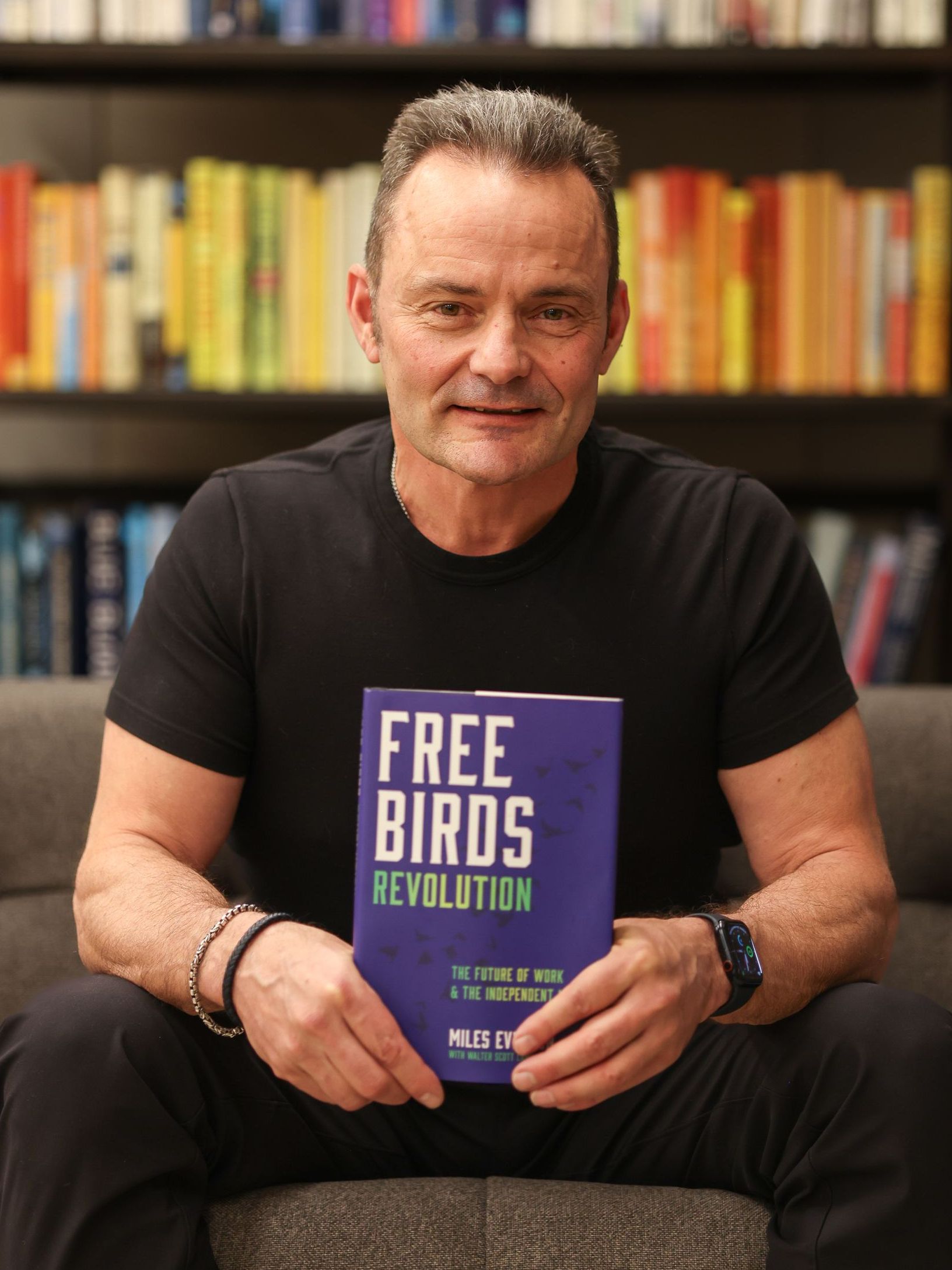
Miles Everson
CEO of MBO Partners and former Global Advisory and Consulting CEO at PwC, Everson has worked with many of the world's largest and most prominent organizations, specializing in executive management. He helps companies balance growth, reduce risk, maximize return, and excel in strategic business priorities.
He is a sought-after public speaker and contributor and has been a case study for success from Harvard Business School.
Everson is a Certified Public Accountant, a member of the American Institute of Certified Public Accountants and Minnesota Society of Certified Public Accountants. He graduated from St. Cloud State University with a B.S. in Accounting.