When Furniture Meets Humanity: Know the story behind this brand's most inclusive idea yet!
| From the desk of Miles Everson: Hello! Welcome to “Gorillas of Guerrilla Marketing!” I hope you’re all excited for today’s feature. For those of you who aren’t familiar with this yet, guerrilla marketing is an unconventional strategy, based upon the idea that marketing doesn’t always have to be too traditional. Today, allow me to share with you a guerrilla marketing strategy that is both clever and inclusive. Continue reading below to learn more! |
When Furniture Meets Humanity: Know the story behind this brand's most inclusive idea yet! Imagine sitting on your favorite sofa, reaching for a lamp switch, or opening a closet door and realizing those ordinary actions feel like insurmountable hurdles. For many, it’s the silent, constant frustration of living with a disability; for others, it’s unimaginable. … but what if a humble coffee-table, sofa, or lamp could be the gateway to dignity, inclusion, and independence—just by rethinking the way it’s built? That radical yet simple change lies at the heart of the story of IKEA ’s groundbreaking , “ThisAbles.” What began as a modest effort in one country transformed into a global statement: Accessibility doesn’t need to be a luxury. It can—and should—be part of everyday design.
Hacking Everyday Furniture For Real Lives IKEA, together with two Israeli non-profits— Milbat and Access Israel —and creative support from McCann Tel Aviv, dared to ask a simple but profound question: What if our already popular furniture could work for people with disabilities without needing to create a separate “special needs” line? Rather than launching entirely new products, the campaign “hacked” existing best-sellers, designing 13 add-ons to solve specific accessibility issues: From sofa-elevating legs to make standing up easier, to oversized lamp switches, improved handles for closets and drawers, zipper pulls, and more.
What made the initiative especially powerful was its commitment to inclusivity at every stage. IKEA and its partners didn’t guess what people needed; they worked directly with disabled individuals. A “hackathon” at IKEA’s Tel Aviv store brought together product engineers, designers, and disabled users to co-create solutions guided by lived experience. The heart of “ThisAbles” was twofold: digital and physical.
By making the add-ons freely accessible and encouraging community feedback and co-creation (people could suggest new add-on designs on the site), IKEA signaled that accessibility wasn’t a niche concern; it was a universal commitment. Why This Mattered On paper, “ThisAbles” looked like a marketing push. However, in practice, it redefined what “consumer products” could do—transforming furniture from passive commodities into tools of inclusion. It challenged the notion that disability requires “special” products and instead embraced a universal-design philosophy: Everyday items, made for everybody. Especially in an industry where disabled consumers are often marginalized or ignored, “ThisAbles” stood out as a bold act of empathy, design thinking, and social responsibility. It proved that good business and good values need not be mutually exclusive. The results?
In short, what started as a targeted accessibility project in Israel became a global phenomenon with tangible benefits for users, brand, and industry recognition alike. Kudos, IKEA, Milbat, Access Israel, and McCann Tel Aviv! *Claps* Clearly, what made “ThisAbles” so compelling is not just its cleverness but also its humanity. In a world where many marketers chase the next big trend, IKEA chose to slow down, listen, and care. It asked: Why should disability be an afterthought or a niche market? Why not build for everyone from the start? Through open-source design, empathetic storytelling, and genuine collaboration with disabled people, IKEA gave many people something more precious than a sofa leg or a lamp switch: It gave them dignity , belonging , and independence . The message was simple but profound: Everybody deserves a seat at the table. In doing so, IKEA didn’t just earn a marketing win. They helped rewrite what accessible design can—and should—be. For marketers looking to draw inspiration from this campaign, the takeaway is refreshingly clear: Small innovations become powerful when they solve real human problems; open collaboration builds trust and impact; and designing for the underserved often unlocks audiences you never knew you were missing. In other words, empathy isn’t just good ethics; it’s also a good strategy. Hope you’ve found this week’s guerrilla marketing insight interesting and helpful. Stay tuned for next Thursday’s Gorillas of Guerrilla Marketing! Do you want to know how a significant chunk of India’s truck drivers were found to have been suffering from some form of visual impairment? See it in next week’s article! |


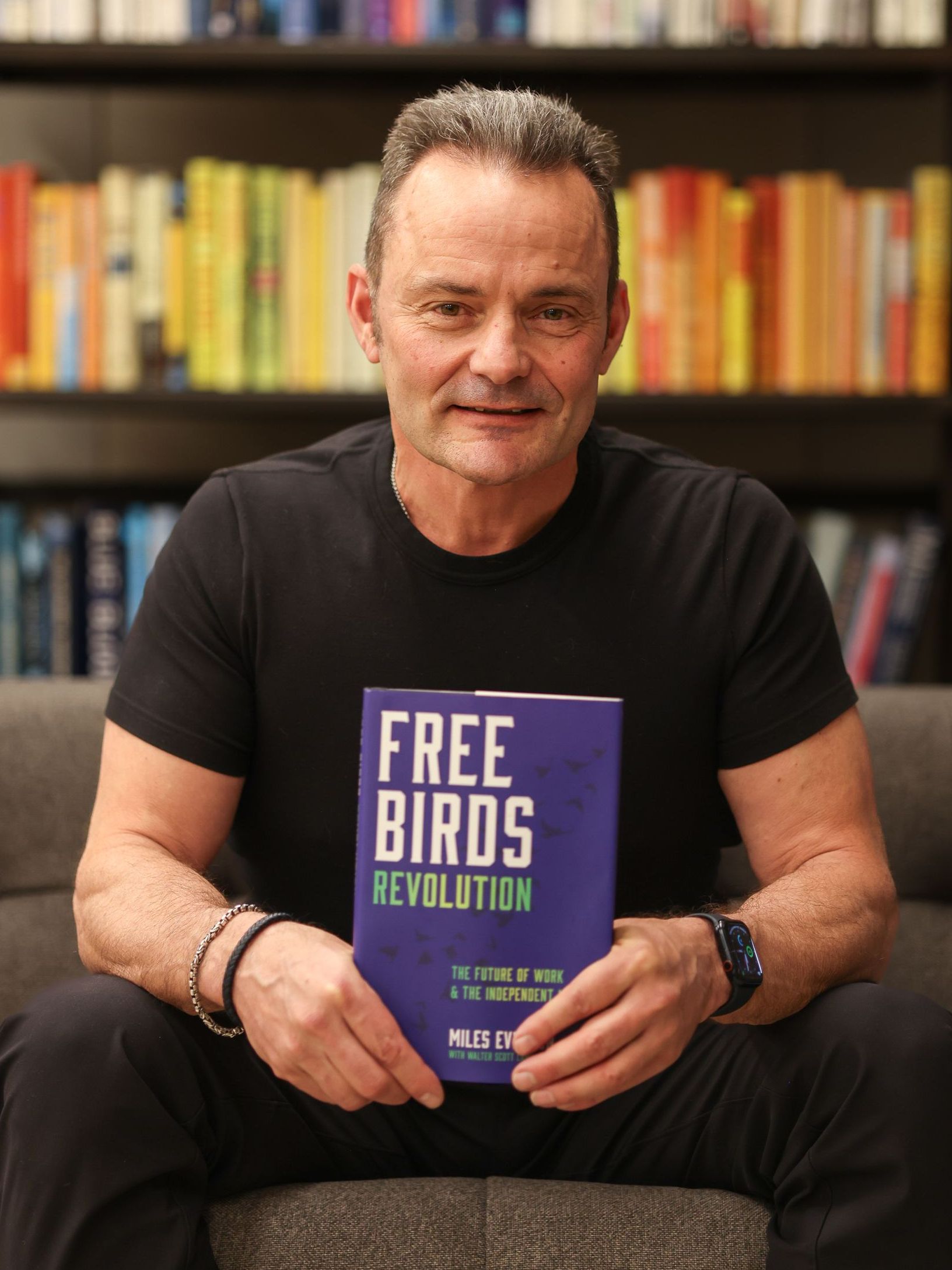
Miles Everson
CEO of MBO Partners and former Global Advisory and Consulting CEO at PwC, Everson has worked with many of the world's largest and most prominent organizations, specializing in executive management. He helps companies balance growth, reduce risk, maximize return, and excel in strategic business priorities.
He is a sought-after public speaker and contributor and has been a case study for success from Harvard Business School.
Everson is a Certified Public Accountant, a member of the American Institute of Certified Public Accountants and Minnesota Society of Certified Public Accountants. He graduated from St. Cloud State University with a B.S. in Accounting.