Investing in the NOW: Get to know why mindfulness is the best ROI for your life!
| From the desk of Miles Everson: It’s almost the weekend! I hope you’re all having a good Friday today. In my “Mindfulness by Miles” articles, I talk about health, wealth, well-being, happiness, future of work, book reviews, marketing, tips, etc. My desire in these works is to empower you to thrive in both your personal and professional life. Today, let’s talk about money matters. Keep reading below to know the importance of incorporating mindfulness into your financial life. |
Investing in the NOW: Get to know why mindfulness is the best ROI for your life! Picture this: You’re scrolling through your phone, flipping between apps, half-listening to a podcast, and mentally ticking off a to-do list—all while eating dinner. At the end of it, you barely remember what you ate, the podcast feels like background noise, and your brain is already in tomorrow’s chaos. Does this sound familiar? Well, it’s not just meals or moments that slip away when you’re distracted; it’s also opportunities, decisions, and clarity. … and guess what? Nowhere is this more evident than in the choices we make about our finances.
The Connection Between Mindfulness and Money Mindfulness is often painted as a serene practice reserved for yoga mats, meditation cushions, or wellness retreats. However, at its core, mindfulness is simply about awareness —noticing the present moment, observing your thoughts and emotions without judgment, and making intentional choices. Now, apply that same awareness to money… Instead of reacting impulsively—swiping the card, tapping “buy now,” or investing out of fear of missing out (FOMO)—financial mindfulness allows you to pause, reflect, and act with clarity. In other words, mindfulness helps you step out of autopilot and into intentional decision-making. Besides, money isn’t just numbers in a bank account; it’s also emotional. It can be tied to stress, identity, freedom, or even self-worth. Without awareness, emotions like fear, guilt, or excitement can drive financial decisions that sabotage your long-term goals. Here’s why cultivating mindfulness with money makes a real difference:
So, what are some tips for cultivating financial mindfulness? You see, building wealth mindfully isn’t about being perfect; it’s about creating habits that bring awareness into the everyday. Here are some actionable strategies that you can apply to your own life:
The Ripple Effect Financial mindfulness isn’t just about dollars and cents; it’s about cultivating a way of being that transforms every part of your life.
The result of all these? A sense of control and calm that goes beyond bank balances! Here, you’re no longer chasing wealth blindly; you’re building it with purpose. — You see, being present might seem like a small shift, but when applied to money, it’s transformative. Instead of drifting through your financial life on autopilot, you start steering with clarity. Wealth then becomes more than accumulation; it becomes alignment, empowerment, and freedom. That’s because when you practice mindfulness with money, you’re not just securing your financial future but also crafting a life where every dollar reflects intention. When that happens, your every decision builds confidence, and every moment contributes to your well-being. I hope you learned something new from today’s topic! I wish you a restful and peaceful weekend! For a daily version of this newsletter, please subscribe here. |


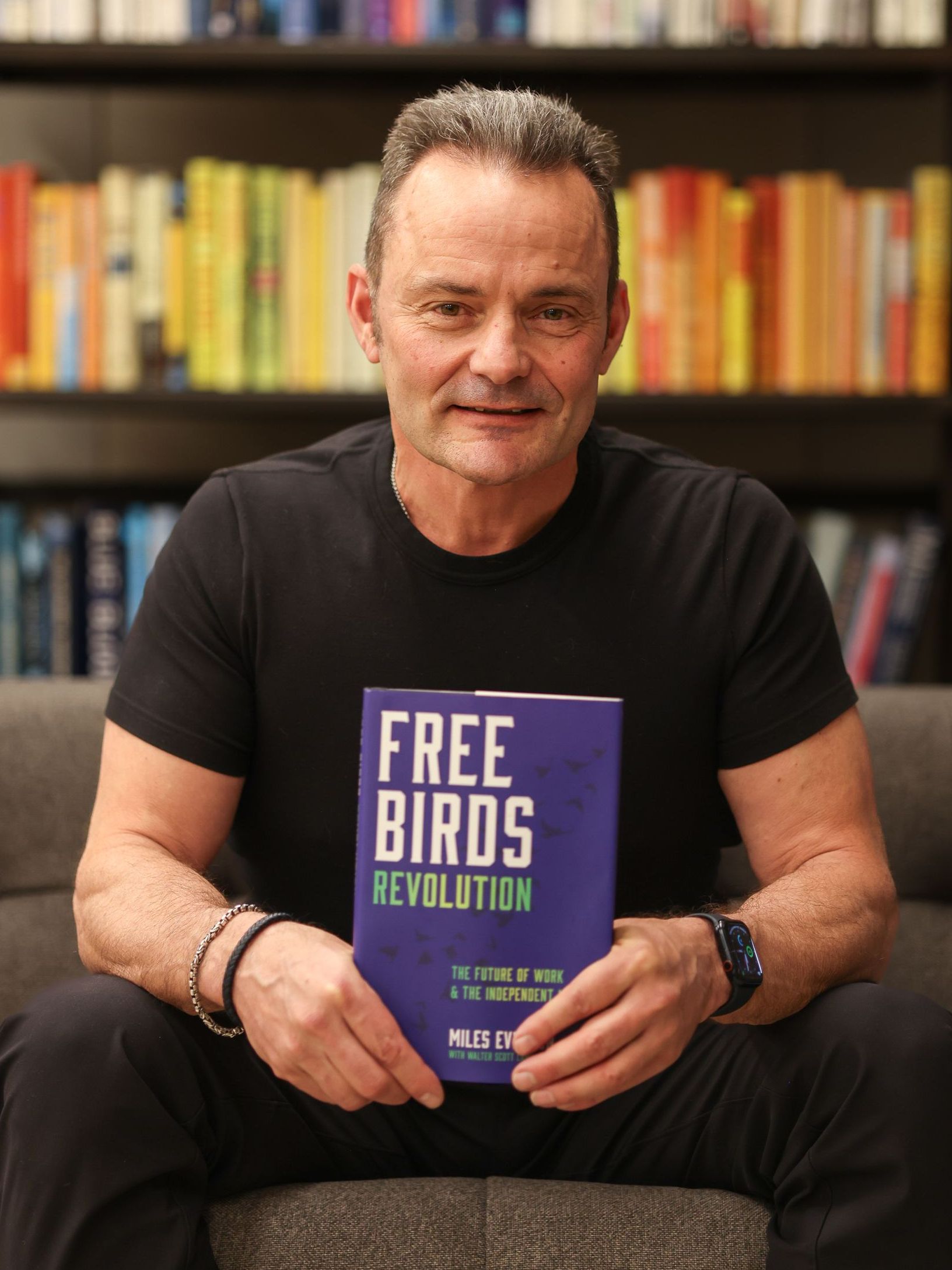
Miles Everson
CEO of MBO Partners and former Global Advisory and Consulting CEO at PwC, Everson has worked with many of the world's largest and most prominent organizations, specializing in executive management. He helps companies balance growth, reduce risk, maximize return, and excel in strategic business priorities.
He is a sought-after public speaker and contributor and has been a case study for success from Harvard Business School.
Everson is a Certified Public Accountant, a member of the American Institute of Certified Public Accountants and Minnesota Society of Certified Public Accountants. He graduated from St. Cloud State University with a B.S. in Accounting.