All the Ads, All the Chaos: Learn how one app outsmarted 76 brands with one brilliant code in 2024!
| From the desk of Miles Everson: Happy Thursday! Welcome to “Gorillas of Guerrilla Marketing!” For those of you who are new to this term, guerrilla marketing is an unconventional strategy. The idea behind this is that marketing doesn’t always have to be conventional to be effective. Today, let’s talk about one food ordering and delivery company that turned people’s attention to them into action. Read the article below for further details. |
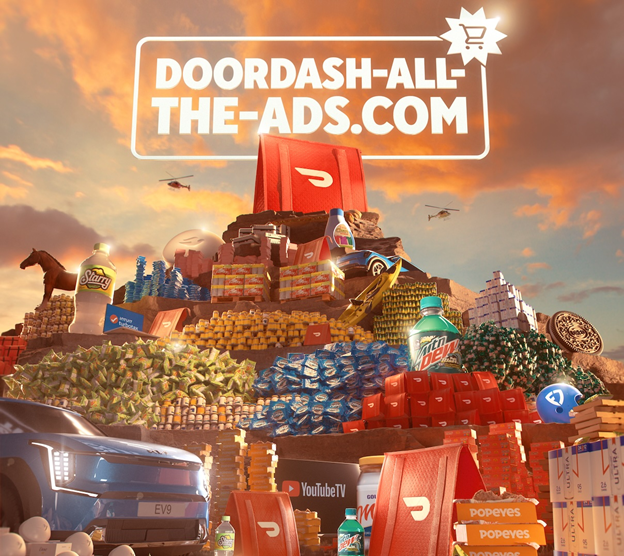
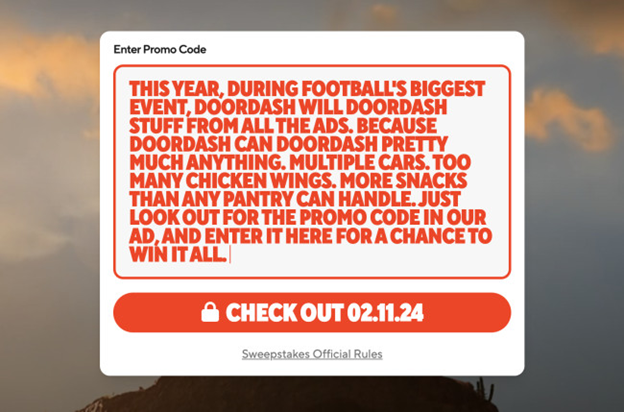
All the Ads, All the Chaos: Learn how one app outsmarted 76 brands with one brilliant code in 2024! Picture this: You’re on your couch, beer in hand, crowded with friends. Between the kicks and touchdowns, your phone buzzes. A brand you knew only for delivery is suddenly promising everything. Not just the pizza and groceries, but every product that airs during Super Bowl ads. … and yes, you might win it all. Setting the Stage: Why the Campaign Was Born DoorDash wasn’t content being known simply as a food delivery service. It wanted to transcend that identity and stake a claim as a full-blown commerce platform—one that could deliver “anything.” As one of the campaign’s architects put it: “To stand out during the Super Bowl, we couldn’t just tell America that DoorDash delivers basically anything. We had to go a step further and prove it… by delivering every product advertised during the Super Bowl broadcast to one lucky winner.” A sweepstakes alone wouldn’t cut it. What was needed was a storytelling engine that would flex in real time, evolve with the Super Bowl itself, and pull people into the orbit of DoorDash’s new brand promise. The Strategy: Build Hype, Then Prove It The brilliance of “All the Ads” lies in how it transformed a passive act (watching TV) into an interactive mission. The campaign’s architecture rested on three pillars:
Execution Highlights and Tactical Moves
RESULTS The campaign didn’t just grab attention; it also outperformed nearly every benchmark. Here’s how success looked in hard numbers and cultural impact:
Beyond numbers, the campaign achieved something rarer: cultural resonance .
Clearly, the campaign rewrote expectations! In the domain of Super Bowl marketing, where billions are spent on 30-second spots, this brand turned the night inside out! The BIG Takeaway In the end, “All the Ads” wasn’t just a campaign; it was also a cultural event —a high-stakes game night where marketing met mischief, and consumers weren’t just spectators but co-conspirators. Through this campaign DoorDash proved attention isn’t bought anymore but earned through curiosity, play, and daring to do something that hasn’t been done before. What else? What made it brilliant wasn’t just the scale but also the mindset : The willingness to flip convention on its head, to make other brands’ million-dollar commercials part of DoorDash’s own story, and to turn an audience of millions into active participants in the narrative. It was guerrilla marketing not because it hid in the shadows, but because it ambushed expectations in broad daylight. … and here’s the part worth remembering: The future of marketing doesn’t belong to those who shout the loudest. Rather, it belongs to those who make people lean in . So, the next time you’re planning your own campaign, ask yourself: How can I make people play with my brand instead of just watching it? One you answer that question, go ahead—break the pattern, blur the lines, and maybe, just maybe… Deliver something no one saw coming . Hope you’ve found this week’s guerrilla marketing insight interesting and helpful. Stay tuned for next Thursday’s Gorillas of Guerrilla Marketing! Do you want to know how Nike found a creative way to promote one of the NBA’s up-and-coming talents ? See it in next week’s article! |


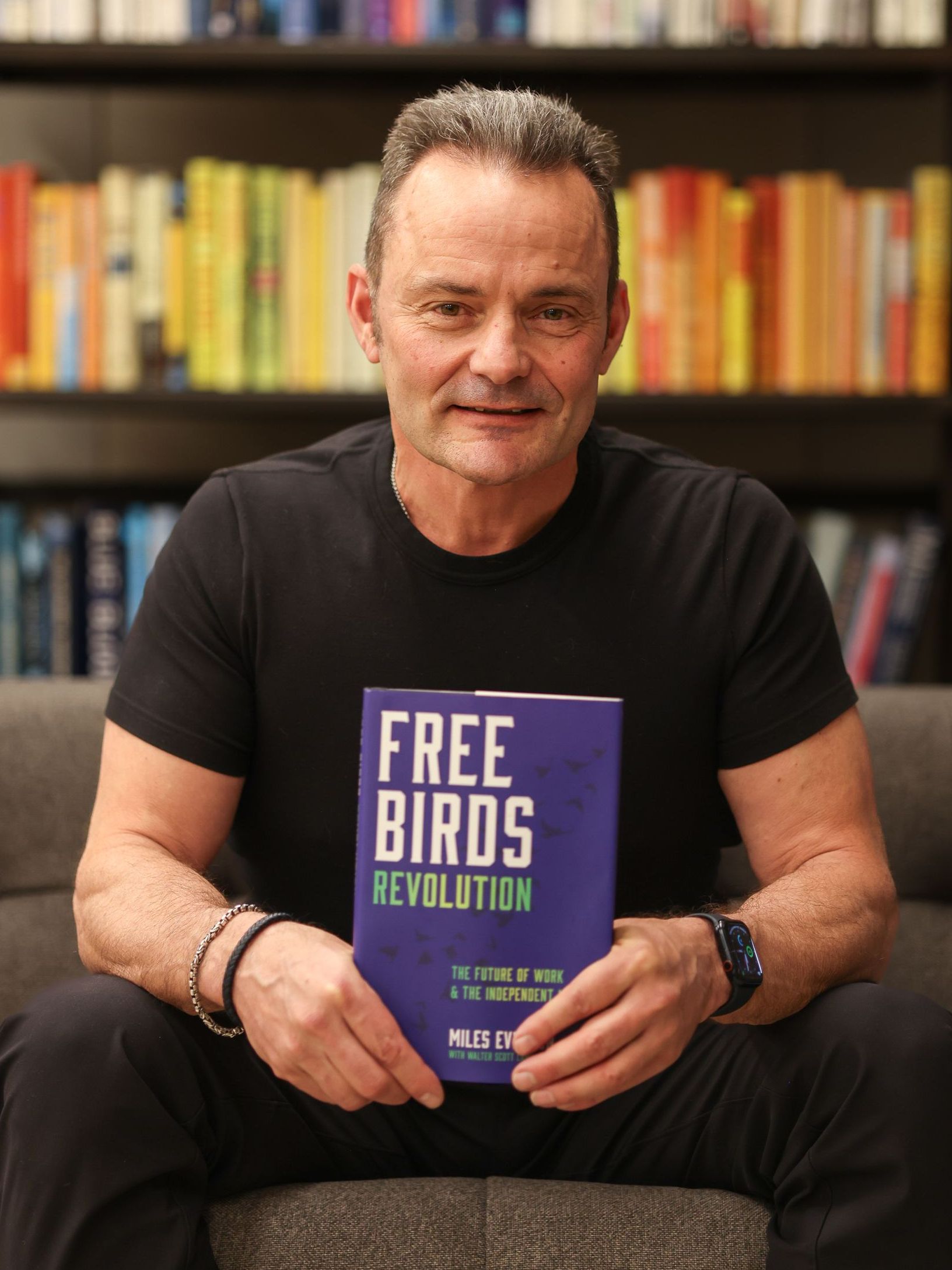
Miles Everson
CEO of MBO Partners and former Global Advisory and Consulting CEO at PwC, Everson has worked with many of the world's largest and most prominent organizations, specializing in executive management. He helps companies balance growth, reduce risk, maximize return, and excel in strategic business priorities.
He is a sought-after public speaker and contributor and has been a case study for success from Harvard Business School.
Everson is a Certified Public Accountant, a member of the American Institute of Certified Public Accountants and Minnesota Society of Certified Public Accountants. He graduated from St. Cloud State University with a B.S. in Accounting.