The Fed just eased the market into the next phase of the economic cycle. Learn more about it here!
| From the desk of Miles Everson: Investing has helped many attain financial freedom and independence for decades. That’s why every Wednesday, I talk about investing in the hopes of helping and inspiring others to build wealth through this activity. In today’s “The Independent Investor,” I’ll talk about how the U.S. Federal Reserve has ushered in the next phase of the economic cycle. Curious? Keep reading below! |
The Fed just eased the market into the next phase of the economic cycle. Learn more about it here! Banks are at their limit. Throughout the past two years, the U.S. Federal Reserve has quietly drained liquidity from the financial system. Interest rate hikes grabbed most of the headlines… but the central bank was also applying a more subtle force through quantitative tightening (QT).
QT is a tool for the Fed to influence the money supply. It can cool down the economy by selling investments like U.S. Treasurys or mortgage-backed securities, or it can choose not to reinvest the proceeds from maturing Treasurys, essentially sitting on cash instead of injecting it back into the economy. When the Fed is growing its balance sheet, it’s called quantitative easing (QE)—the opposite of QT. QE means the Fed is buying assets, usually from banks. Because of this dynamic, the Fed's balance sheet is a good proxy for bank reserves (meaning the cash banks have parked with the Fed)… and as seen in the chart below, that balance sheet has been sliding for years.
The Fed has essentially refused to let banks lend to it by buying less and less from the latter. This leads to a problem: If a QT cycle goes on for too long, banks run out of places to lend their money. Bank reserves have fallen off a cliff in recent months. They're now below USD 3 trillion for the first time since late 2020.
This represents the lower bounds of what banks consider comfortable for day‑to‑day operations. Reserves give them liquidity in an emergency. So the lower that buffer is, the more careful they have to be with lending. In other words, when reserves dip too far, banks will pull back from lending. That said, it seems the Fed is aware of what’s going on. Last year, it announced the end of the current QT cycle on December 1. This move was described as a "technical adjustment.” However, in reality, it’s a clear sign the Fed wants to stimulate the U.S. economy. The central bank spent most of December 2025 reinvesting its maturing investments and bought USD 40 billion in short-term Treasurys. Fed officials have made efforts to avoid calling this QE, but the effect is the same. Liquidity is easing. The Fed's balance sheet is no longer shrinking. Soon enough, banks will be more comfortable lending again. These changes won't happen overnight. Investors will need to exercise patience… but it's another positive sign for credit. There might even be room for bank lending standards to loosen within the first two quarters of 2026. The broader backdrop remains supportive. Earnings growth is solid. Valuations are reasonable. Investor sentiment has cooled from earlier extremes. Now, liquidity is no longer shrinking beneath the surface. This is just what the economy needs to keep powering forward. The Fed isn't ready to start throwing around the term QE. However, its actions speak clearly. There's a floor under liquidity and banks have reached it. The system has to stop tightening. This doesn’t guarantee smooth sailing ahead… but things look a lot better as the market moves into the next phase of the economic cycle. Hope you’ve found this week’s insights interesting and helpful. Stay tuned for next Wednesday’s The Independent Investor! The world rarely quiets down long enough for investors to breathe easy. Learn more about what happens when confidence in the market becomes the new risk in next week’s article! |


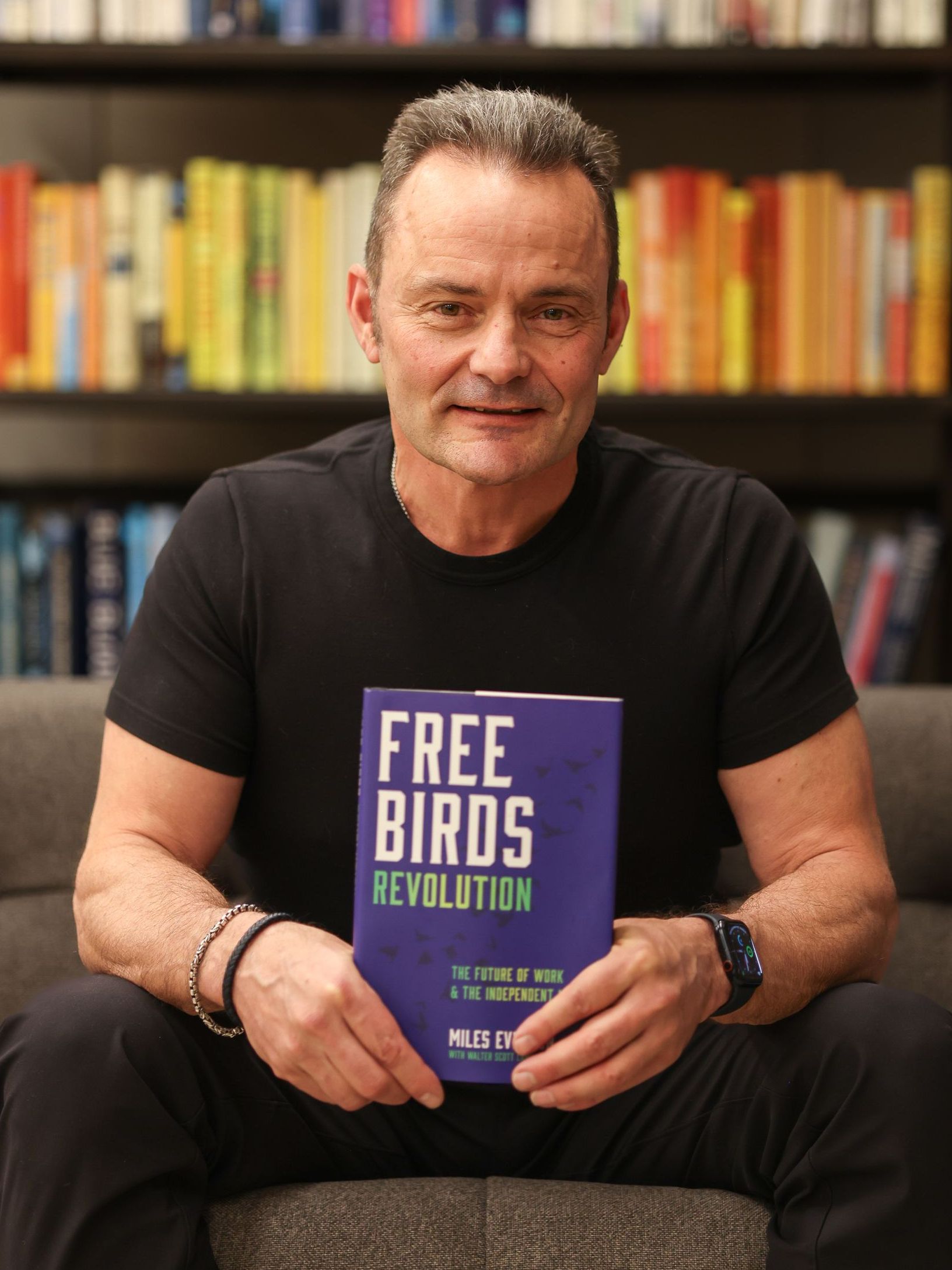
Miles Everson
CEO of MBO Partners and former Global Advisory and Consulting CEO at PwC, Everson has worked with many of the world's largest and most prominent organizations, specializing in executive management. He helps companies balance growth, reduce risk, maximize return, and excel in strategic business priorities.
He is a sought-after public speaker and contributor and has been a case study for success from Harvard Business School.
Everson is a Certified Public Accountant, a member of the American Institute of Certified Public Accountants and Minnesota Society of Certified Public Accountants. He graduated from St. Cloud State University with a B.S. in Accounting.