Netflix’s latest power play could be a game-changer for entertainment…
Today, we’re going to talk about Netflix’s most recent power play and how it can drastically change both Hollywood and the entire streaming landscape. Continue reading below! |
|
Netflix’s latest power play could be a game-changer for entertainment… Netflix made a big move last year when it announced its acquisition of Warner Bros. Discovery ’s streaming, film, and TV assets for a total enterprise value of USD 82.7 billion. The streaming giant was a late entrant to the two-horse race between Paramount Skydance and Comcast Corporation. Paramount was initially crowned as the frontrunner because it made a play for all of Warner Bros. and not just its streaming and studio assets. However, all that changed when Netflix put together an offer Warner Bros. couldn’t ignore. The deal, as presently constructed, values Warner Bros’ stock at USD 27.75, with the acquisition kicking in once Warner Bros. has completed the separation of its studio and streaming and cable operations into two separate companies. A breakup fee of USD 5.8 billion to be paid by Netflix was also included should the deal not push through because of regulatory issues or other complications. Despite Warner Bros. and Netflix agreeing in principle to this acquisition, this isn’t a done deal yet. That’s why in today’s “Return Driven Strategy,” we’re going to take a deeper dive into this story and reveal why this is the case.
Acquiring A Declining Business’ Most Important Assets Netflix has solidified itself as the no. 1 streaming option for millions of Americans, despite consumers having many options to choose from. The company currently has a 67 million-strong subscriber base in the U.S. and enjoys a cancellation rate of only 2% since May 2023. Meanwhile, Hulu, Disney+, Paramount+, and HBO Max are trailing by a wide margin, at 39 million, 36.5 million, 34.5 million, and 23.8 million subscribers respectively. Media companies like Paramount, Disney, and Warner Bros. have spent years attempting to close the gap, as streaming has become more ubiquitous. However, none of these firms have come close in challenging Netflix, especially in terms of pricing power and profitability. Unfortunately, Warner Bros. has spent the past few years lagging behind its peers despite having a vast content catalogue by virtue of its ownership of HBO and its streaming service and associated film and TV studios. Since its 2022 merger with Discovery, Warner Bros. shares have fallen as much as 71%... and the only time the stock started to rally is when the company announced that it would be splitting its business into two publicly traded firms where its streaming platform, HBO Max and its movie and TV studios would be separated from its cable networks. HBO has long been known for hit shows such as “The Sopranos” and “Game of Thrones.” Meanwhile, Warner Bros. also owns major franchises like “Harry Potter” and DC studios. This vast selection of intellectual properties is exactly why Netflix made its move. You see, while the company is no stranger to making blockbuster movies and original content, Warner Bros.’ award-winning content catalogue would grab more eyeballs for Netflix. This is especially important when you take into account that Netflix still lags behind YouTube, Comcast, and Paramount in terms of total TV usage. However, while this acquisition holds a lot of promise for Netflix, it isn’t final yet for two reasons: 1.) Paramount won’t go down without a fight and 2.) Regulatory scrutiny. Kicking Off The Bidding War It was Paramount that actually kicked off the bidding war for Warner Bros. After the merger of Paramount Global and Skydance Media closed in August 2025, David Ellison, chairman and CEO of the merged entity, set his sights on the acquisition of all of Warner Bros. through an unsolicited offer. When this bid and two more follow-up bids were rejected, Warner Bros.’ board of directors formally announced that they were entertaining offers for the company and as a result, opened the floodgates for the Comcast and Netflix bids. When Netflix and Warner Bros. announced the previously-mentioned acquisition bid in December, Paramount responded a week later with its own hostile takeover bid. This hostile takeover bid was directed towards Warner Bros. shareholders, valuing the company at USD 30 per share, amounting to a total enterprise value of USD 108 billion. In response, the board of Warner Bros. formally rejected the bid, urging its stockholders not to tender their shares to Paramount, arguing that the Netflix bid is far better and has a more secure financing. With financing a sticking point, Larry Ellison, the father of Paramount CEO David Ellison, personally guaranteed around USD 40 billion in equity to bolster Paramount’s bid. Warner Bros. shareholders have until January 22, 2026 to approve or reject the all-cash bid. … and in the meantime, Netflix can still up its bid for Warner Bros. and should the latter reverse course, it would have to pay the streaming giant a USD 2.8 billion breakup fee. Right now, it remains to be seen how this situation will play out as it has the makings of escalating into a long, protracted process. More importantly, regardless of who wins the bidding war, there’s still another hurdle to go through: Regulatory scrutiny. This aspect of the Warner Bros.’ story is best explained through RDS’ first foundation: Vigilance to Forces of Change. In the book, “Driven,” Professor Joel Litman and Dr. Mark L. Frigo emphasized the importance of being vigilant to forces of change, especially those that involve statutes and regulations. According to them, government actions “can mean life or death for a particular business strategy.” This is highly applicable to the bidding war for Warner Bros., since its sale or acquisition of its assets could drastically alter the entertainment and streaming industries as a whole. In fact, the transaction has already garnered antitrust concerns from affected parties. A consumer class-action lawsuit was even filed against Netflix in December last year that sought to block the company’s acquisition of Warner Bros. streaming and studio assets. So, regardless of who wins this bidding war, the victor will have to contend with regulatory scrutiny… a step that could literally make or break the deal. — If you’re looking to gain a better understanding of Return Driven Strategy and Career Driven Strategy, we highly recommend checking out “Driven” by Professor Litman and Dr. Frigo. Click here to get your copy and learn how this framework can help you in your business strategies and ultimately, in ethically maximizing wealth for your firm. Hope you found this week’s insights interesting and helpful. Stay tuned for next Tuesday’s Return Driven Strategy! Imagine flipping through a magazine and stumbling upon a full-page ad urging you not to purchase the jacket it’s selling. Learn more about Patagonia’s business strategy through the lens of RDS’ tenet 1 in next week’s article! |


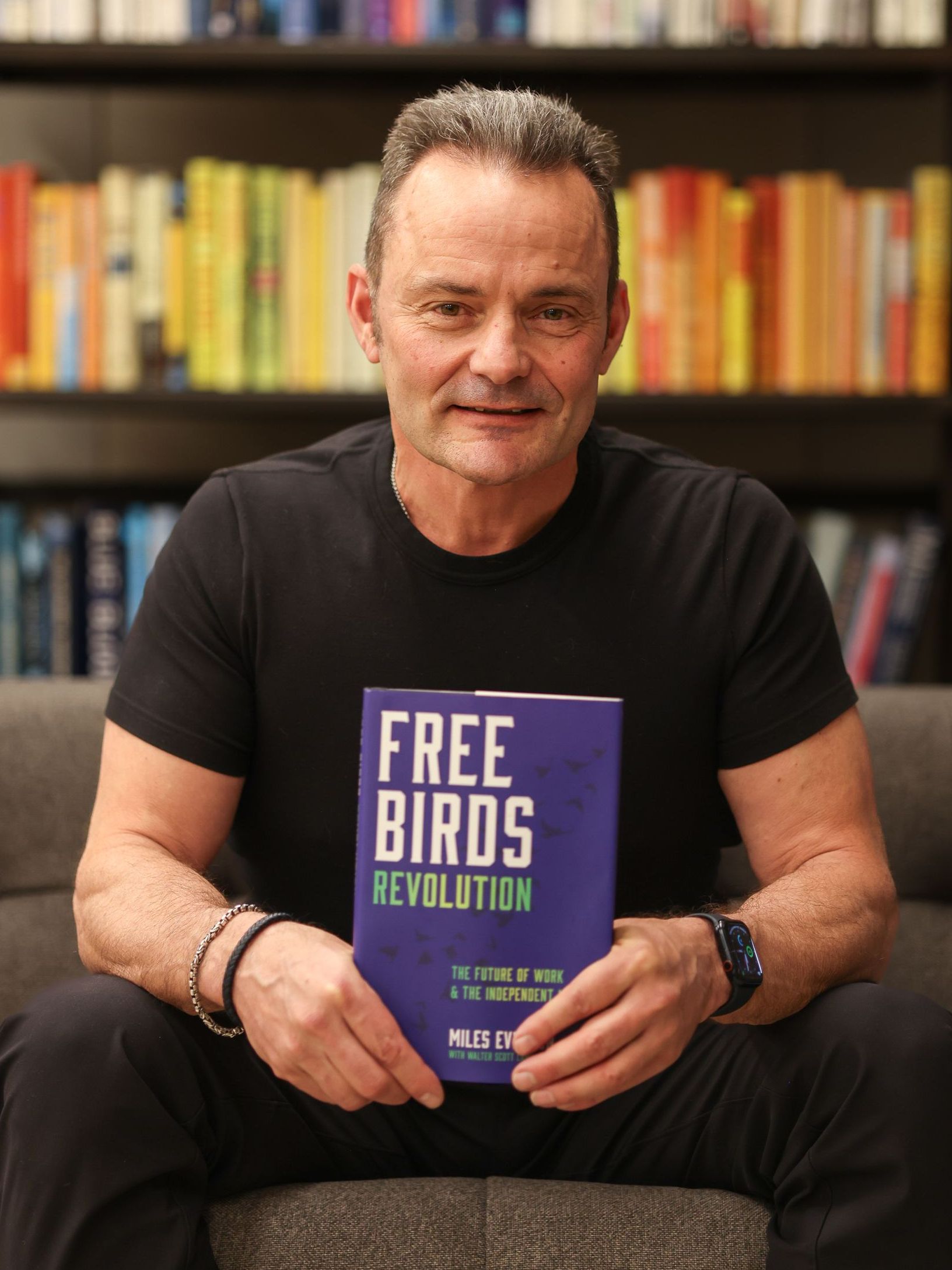
Miles Everson
CEO of MBO Partners and former Global Advisory and Consulting CEO at PwC, Everson has worked with many of the world's largest and most prominent organizations, specializing in executive management. He helps companies balance growth, reduce risk, maximize return, and excel in strategic business priorities.
He is a sought-after public speaker and contributor and has been a case study for success from Harvard Business School.
Everson is a Certified Public Accountant, a member of the American Institute of Certified Public Accountants and Minnesota Society of Certified Public Accountants. He graduated from St. Cloud State University with a B.S. in Accounting.