Fitness doesn't have to feel like a punishment. So, why don't you replace your workout with a PLAY OUT?
Today, allow me to share with you some playful movements that can help improve your well-being. Are you ready? Keep reading the article below! |
|
| Fitness doesn't have to feel like a punishment. So, why don't you replace your workout with a PLAY OUT? You don’t have to dread fitness. You just have to rediscover FUN. Forget the drudgery of treadmills, rigid routines, or counting down the minutes during a boring workout. What if movement didn’t feel like a chore? What if breaking a sweat actually brought a smile to your face? What if you try spicing up your fitness routines? Welcome to the world of playful movement —where dancing in your kitchen, bouldering at an indoor climbing gym, or even joining a neighborhood tag game could be the secret to a happier, healthier you! More and more, experts and enthusiasts alike are realizing that physical activity doesn’t have to mean punishment. It can be a joy. It can be a play. … and the best part? Your body and mind benefit just the same—if not more!
The Problem with Traditional Fitness Culture Let’s be real: The conventional idea of exercise can feel… well, exhausting. Not just physically, but also mentally. We often associate fitness with goals like weight loss, body sculpting, or “earning” our food. Add in intense routines, intimidating gyms, or unrealistic standards—and suddenly, movement stops being enjoyable. Rather, it becomes a form of self-discipline instead of self-expression. This all-or-nothing mindset doesn’t just discourage people; it alienates them. Ironically, this often backfires. When we treat fitness like a punishment, we’re less likely to stick with it. That’s where playful movement flips the script. What is Playful Movement? Playful movement is any physical activity that feels more like a play than work. Think of it as movement for the joy of it, not for a number on a scale or a step count on your smartwatch. It’s dancing to your favorite ‘90s throwback songs. It’s rock climbing with friends and laughing when you fall off the wall. It’s hula-hooping, paddleboarding, roller-skating, doing parkour, jumping on trampolines, or exploring your neighborhood like a kid on a treasure hunt. Basically, playful movement is intuitive, dynamic, and fun. It invites curiosity instead of competition. The best of all? It’s surprisingly effective! We already know that exercise releases endorphins and reduces stress. However, research shows that joyful, unstructured movement offers an even stronger lift for your mood and mental health. Here’s how:
Below are some examples of playful movements:
So… how can you add more play into your life? You don’t have to sign up for a climbing class tomorrow or wear a tutu to your next workout (unless you want to). Playful movement starts with permission—to explore what feels good and fun for you. Here are some easy ways to start:
See? You don’t have to choose between being healthy and having fun. With playful movement, you can have both! So ditch the guilt. Lose the “shoulds.” Reclaim movement as something you get to do, not something you have to do. Whether it’s dancing like nobody’s watching or monkeying around at a climbing gym, joyful movement is one of the most underrated paths to well-being. Besides, the gym isn’t the only place where transformation happens. Sometimes, it starts on the dance floor. For a daily version of this newsletter, please subscribe here. |


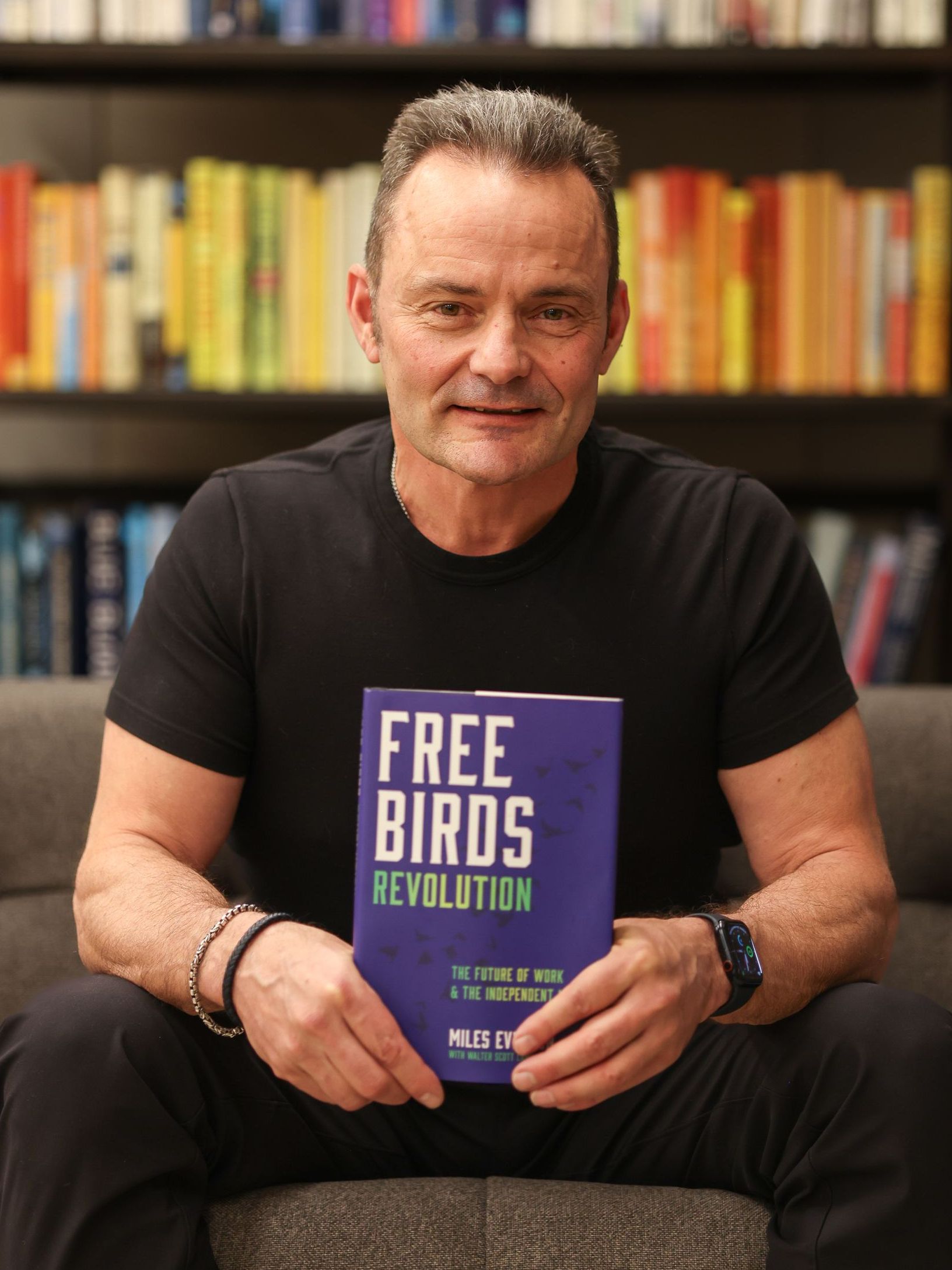
Miles Everson
CEO of MBO Partners and former Global Advisory and Consulting CEO at PwC, Everson has worked with many of the world's largest and most prominent organizations, specializing in executive management. He helps companies balance growth, reduce risk, maximize return, and excel in strategic business priorities.
He is a sought-after public speaker and contributor and has been a case study for success from Harvard Business School.
Everson is a Certified Public Accountant, a member of the American Institute of Certified Public Accountants and Minnesota Society of Certified Public Accountants. He graduated from St. Cloud State University with a B.S. in Accounting.