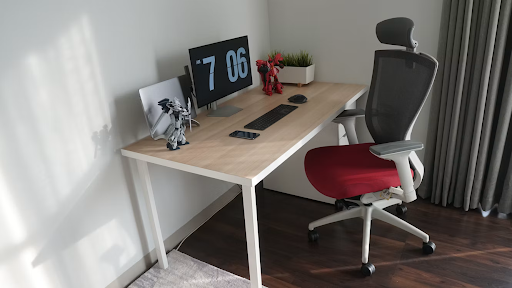
Are you a night owl? Here are some of the things you should know…
| From the desk of Miles Everson: I hope you’re doing well! Every Friday, I talk about health, wealth, well-being, happiness, the future of work, book reviews, marketing, tips, etc. in the hopes of helping you elevate your career and personal life. Today, I want to talk about an interesting study regarding night owls and their exposure to health risks. Curious? Keep reading below! |
Are you a night owl? Here are some of the things you should know… An Imperial College London study found that self-declared “night owls,” or individuals who are more active during evenings performed better in cognitive tests compared to their more morning-oriented counterparts. According to the results of the study that analyzed data from over 26,000 people, night owls scored about 13.5% higher in tests than morning types in one group and 7.5% higher in another group. While the results might vindicate night owls everywhere, there's a catch. Being a night owl comes with real health risks, especially if your work schedule requires you to wake up early, cutting into crucial sleep hours. … but before we get into the specifics, we need to understand how your sleep-wake cycle is impacted by an underlying internal tendency. Sleep-wake Patterns While we often associate the circadian rhythm when it comes to sleep, there’s another factor that actually influences it.
This is what’s referred to as chronotype, or in other words, your body’s natural tendency of when you’ll fall asleep or wake up at certain times during the day. According to UCLA Health , a person’s chronotype depends on his or her age, genetics, and outside influences such as exposure to light and lifestyle choices. Experts have categorized chronotypes into three:
Going back to what we said above, what are the health risks night owls should watch out for? Researchers have found that evening types have increased risk for anxiety and depression, eating disorders, obesity, sleep apnea, and even type 2 diabetes. Moreover, according to a recent study that looked into the connection between one’s chronotype and cognitive decline, night owls decline faster cognitively than early birds. This is because unhealthy behaviors such as smoking, drinking, and unhealthy eating tend to occur more often at night. Evening types were found to have drunk and smoked more and exercised less. Moreover, this increased risk was found in highly educated individuals, and it’s probably due to the fact that they tend to have early morning schedules and are more likely to sleep less. It should be noted that the research only looked into the executive function of the brain, so more research will be needed to explain how chronotype affects memory, language, and other cognitive functions. That said, can an early bird or a night owl change his or her chronotype? According to experts, doing so is incredibly difficult since a person's chronotype is largely dictated by genetics. This being the case, only slight changes are possible through interventions. Hence, it’s best to adapt your sleep and lifestyle based on your chronotype. So… if you’re a night owl, should you take these findings as a sign to hit the panic button? Absolutely not! Night owls face higher risks due to the fact that they tend to get less sleep… and since lack of sleep leads to higher chances of getting chronic diseases, then what you should aim for is getting at least seven hours of sleep or more. More importantly, making other lifestyle changes such as more exercise and eating healthier foods would go a long way in helping you maintain your health and overall well-being. … and since you can’t change your chronotype, the best way forward is to adjust your lifestyle based on this. This means aligning your exercise, sleep, and other activities (professional or otherwise), based on your chronotype. By doing so, you won’t just get better sleep, but you’ll also be able to better take advantage of your peak times, helping you boost your productivity further! Of course, it should be noted your chronotype is just one of the many factors influencing your sleep and overall wellness. However, knowing what your chronotype is and tailoring your lifestyle based on it can positively impact your health in the long run. After all, this just might be what you need to unlock a healthier and more productive version of yourself! For a daily version of this newsletter, please subscribe here. |


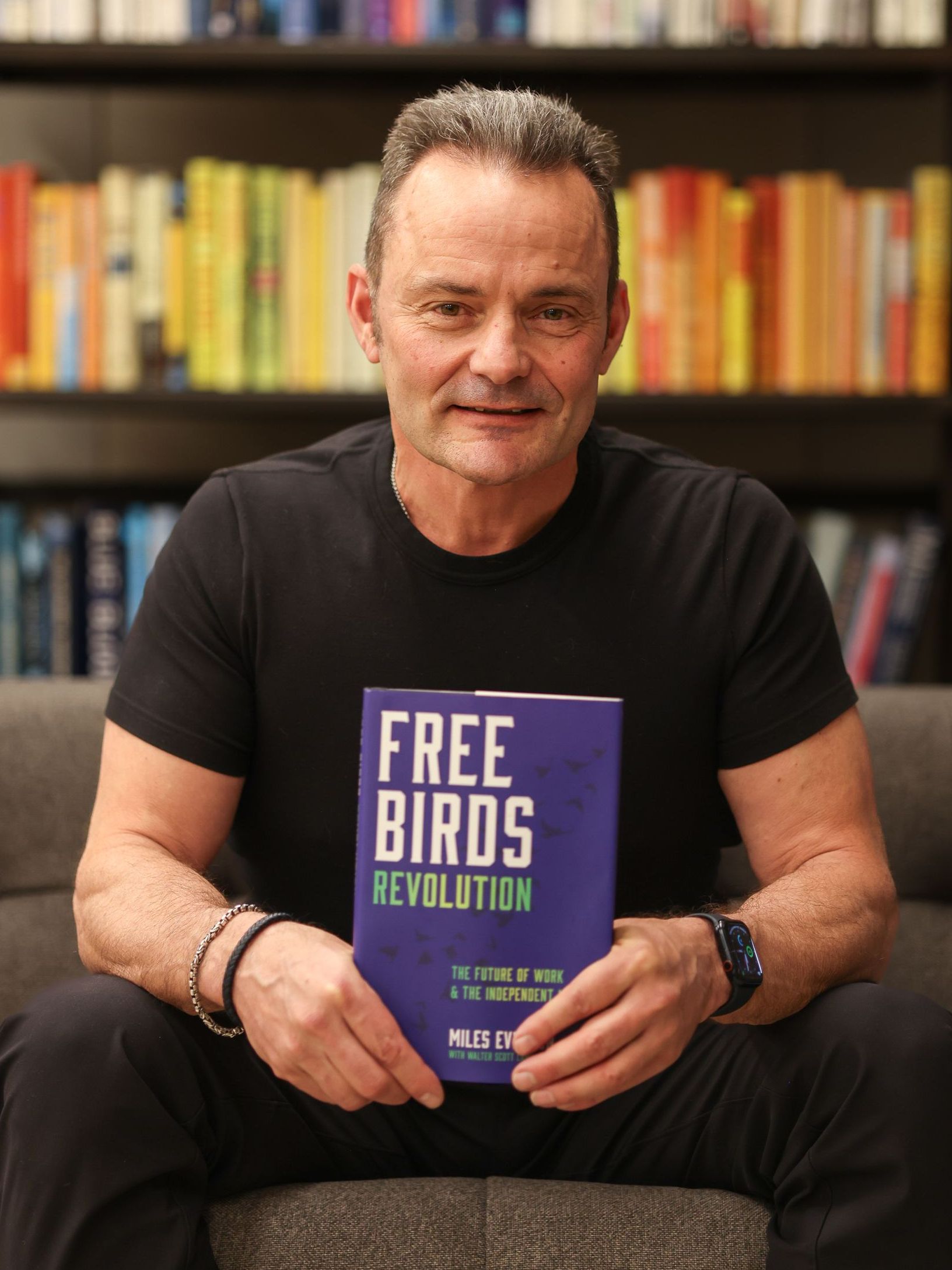
Miles Everson
CEO of MBO Partners and former Global Advisory and Consulting CEO at PwC, Everson has worked with many of the world's largest and most prominent organizations, specializing in executive management. He helps companies balance growth, reduce risk, maximize return, and excel in strategic business priorities.
He is a sought-after public speaker and contributor and has been a case study for success from Harvard Business School.
Everson is a Certified Public Accountant, a member of the American Institute of Certified Public Accountants and Minnesota Society of Certified Public Accountants. He graduated from St. Cloud State University with a B.S. in Accounting.