Afraid to lose? Here’s how you can fight that feeling!
| From the desk of Miles Everson: Happy Friday! I’m excited for another edition of "Mindfulness by Miles." In these articles, I talk about health, career advancement, AI, business, and the future of work. My goal is to equip you with insights that can help you elevate both your personal and professional life with mindfulness and greater clarity. Today, we will talk about the fear of losing, and how you can fight it. Curious? Keep reading below! |
Most people are more afraid to lose than they are eager to win. It hurts more to lose than it feels good to win. That’s not just a saying. It’s backed up by research rooted in psychology and behavioral finance.
Amos Tversky and Daniel Kahneman are psychologists credited with the creation of prospect theory, a concept they came up with in 1979. According to their research, people value gains and losses very differently. Their findings led to a concept in behavioral finance known as loss aversion. Said simply, loss aversion is the idea that people put more weight on perceived losses than perceived gains, even when the dollar amount is identical. Such behavior typically plays out in the world of investing. The biggest dilemma investors struggle with tends to be rooted in their own psychology. They tend to sell their equities in events where share prices fall. They do this even though their longer-term gains are substantial. … but wait! Loss aversion, as we’ve mentioned above, is a behavioral pattern typically associated with behavioral finance, so why are we talking about it here? It’s because this behavior doesn’t just apply to the world of finance. This can happen in everyday life as well. Have you ever found yourself in a situation where you made a rash decision because you were afraid of the potential losses if you didn’t act? That’s loss aversion in action. Sure, we might be wired to have a fear of losing, but that doesn’t mean we can’t fight it. Before we go any further, there are two more important concepts we need to talk about. Kahneman and Tversky’s work covered cognitive biases —mental shortcuts the brain uses to speed up thinking. While biases help in quick decision making, they also lead to irrational decisions. Another important concept to know about is what Kahneman and Tversky called the “availability heuristic.” According to them, when people make decisions, they tend to decide based on the information that comes to their mind quickly. Biases and the availability heuristic are made worse by sensationalized news and untrustworthy sources of information. No one can completely break free from their biases… but that doesn’t mean those traps can’t be fought off. Here’s how:
Sensationalized headlines and other forms of noise will always be there to induce stress and panic. However, that doesn’t mean you’re doomed to succumb to them and your fear of losing. The best defense against all these things is a calm, mindful, and critical mind. As long as you keep an open mind and acknowledge your biases, you can remain grounded in moments of panic and make informed decisions. For a daily version of this newsletter, please subscribe here. |


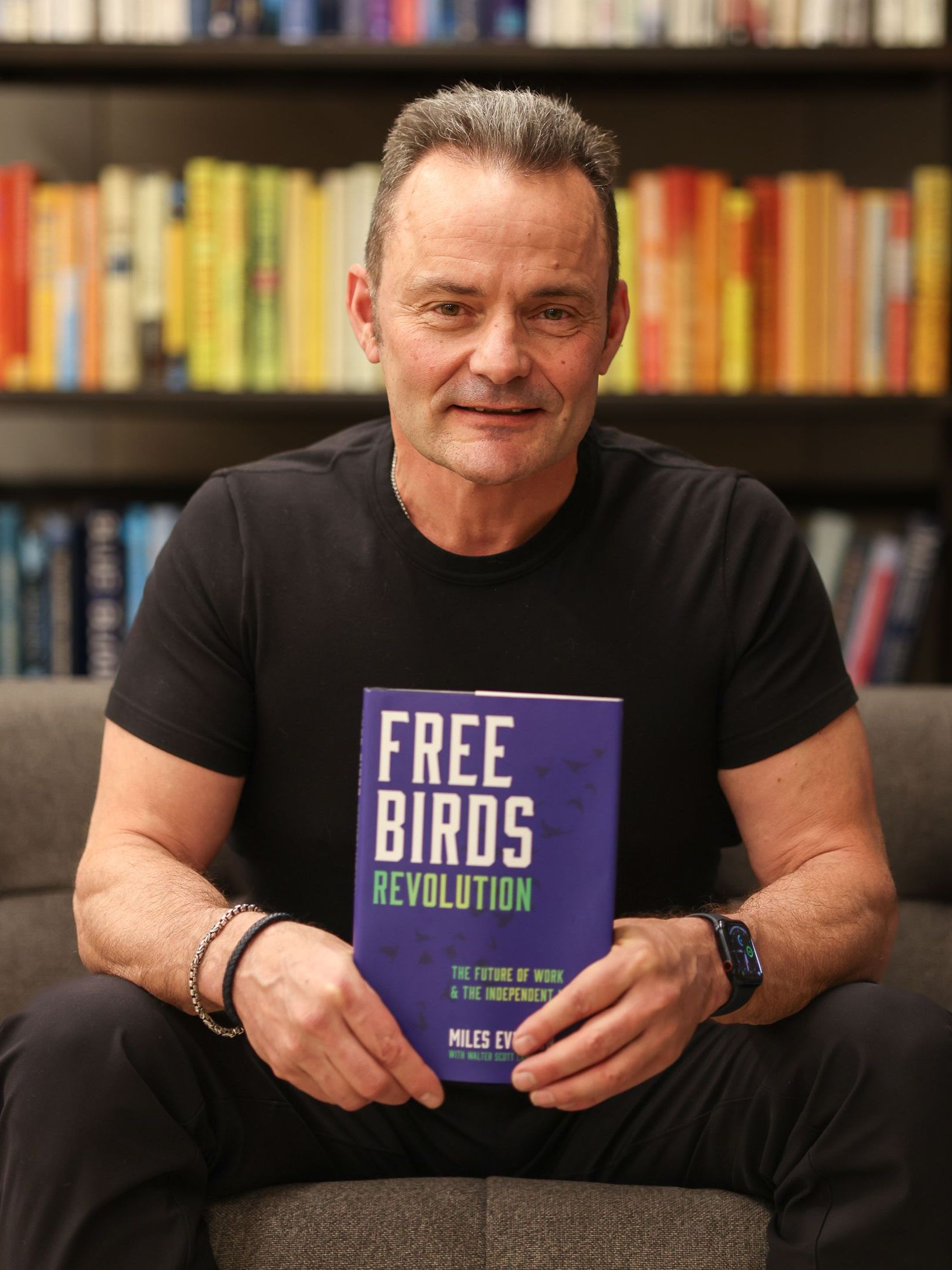
Miles Everson
CEO of MBO Partners and former Global Advisory and Consulting CEO at PwC, Everson has worked with many of the world's largest and most prominent organizations, specializing in executive management. He helps companies balance growth, reduce risk, maximize return, and excel in strategic business priorities.
He is a sought-after public speaker and contributor and has been a case study for success from Harvard Business School.
Everson is a Certified Public Accountant, a member of the American Institute of Certified Public Accountants and Minnesota Society of Certified Public Accountants. He graduated from St. Cloud State University with a B.S. in Accounting.