AI-Powered Wellness: Here’s how AI is reshaping how people approach their health and wellness.
|
|
| Today, we will tackle AI and how others are using it in their fitness journeys. Keep reading below to know more. AI-Powered Wellness: Here’s how AI is reshaping how people approach their health and wellness. It’s no secret that Americans are putting a premium on their health and wellbeing these days. In a survey conducted for The Vitamin Shoppe by Talker Research, it was found that 70% of Gen Z respondents felt some form of pressure to keep up with the latest on health and wellness. Meanwhile, 53% of the same cohort felt they were falling behind their health goals due to not keeping up with the latest trends. On the other hand, only 31% of Baby Boomers felt pressured, with only 13% feeling pressured to keep up with the latest health trends. While there is a difference in sentiment among these age groups, what’s clear is that there is a strong desire among different generations to stay healthy and up-to-date about the latest health and wellness trends. Speaking of the latest health trends, did you know that some are leveraging AI to keep track of their health and well-being? According to a Wall Street Journal report, health-conscious individuals are using AI tools to serve as their personal health assistants.
Instead of spending time poring over various health metrics, these “datamaxxers,” as they are called, simply send chats to their AI chatbots to analyze things such as sleep or food intake. Some users have made their own custom AI tools to aid them. That said, companies like Google and OpenAI have integrated AI in their respective products. In the case of Google, AI has been integrated into apps like Health Coach. OpenAI recently rolled out Health in ChatGPT, which enables users to link their Apple Health data or medical records to ChatGPT. While there are numerous health apps readily available, the use of AI has been popular because many already use AI chatbots to ask health-related questions. Since AI models excel at data and pattern analysis as well as information retrieval, it was only a matter of time until these were used to keep track of one’s health condition. However, this latest trend doesn’t come without caveats:
So, does this mean you should stay away from using AI in keeping track of your health? No. Just like every other tech tool, AI comes with its own drawbacks when used. What matters is using the tool as safely and responsibly as possible. This means that you shouldn’t rely solely on AI tools to diagnose your health for you. Instead, double-check, whenever possible, every piece of information you get from the AI tools you’re using. Even better if you check those outputs against the advice and guidance provided by medical professionals. This way, you can mindfully and intentionally use AI to help you attain your health and fitness goals in the safest way possible. — You see, AI’s ability to process vast amounts of complex and scattered data is definitely a game-changer… and with the right mindset, it could help you in your fitness and health journey. So, if you feel the urge to see how else you can optimize your health, consider using AI in your fitness journey! You never know, when used alongside credible information, it just might be what you need to level up your fitness game. Have a happy weekend! For a daily version of this newsletter, please subscribe here. |


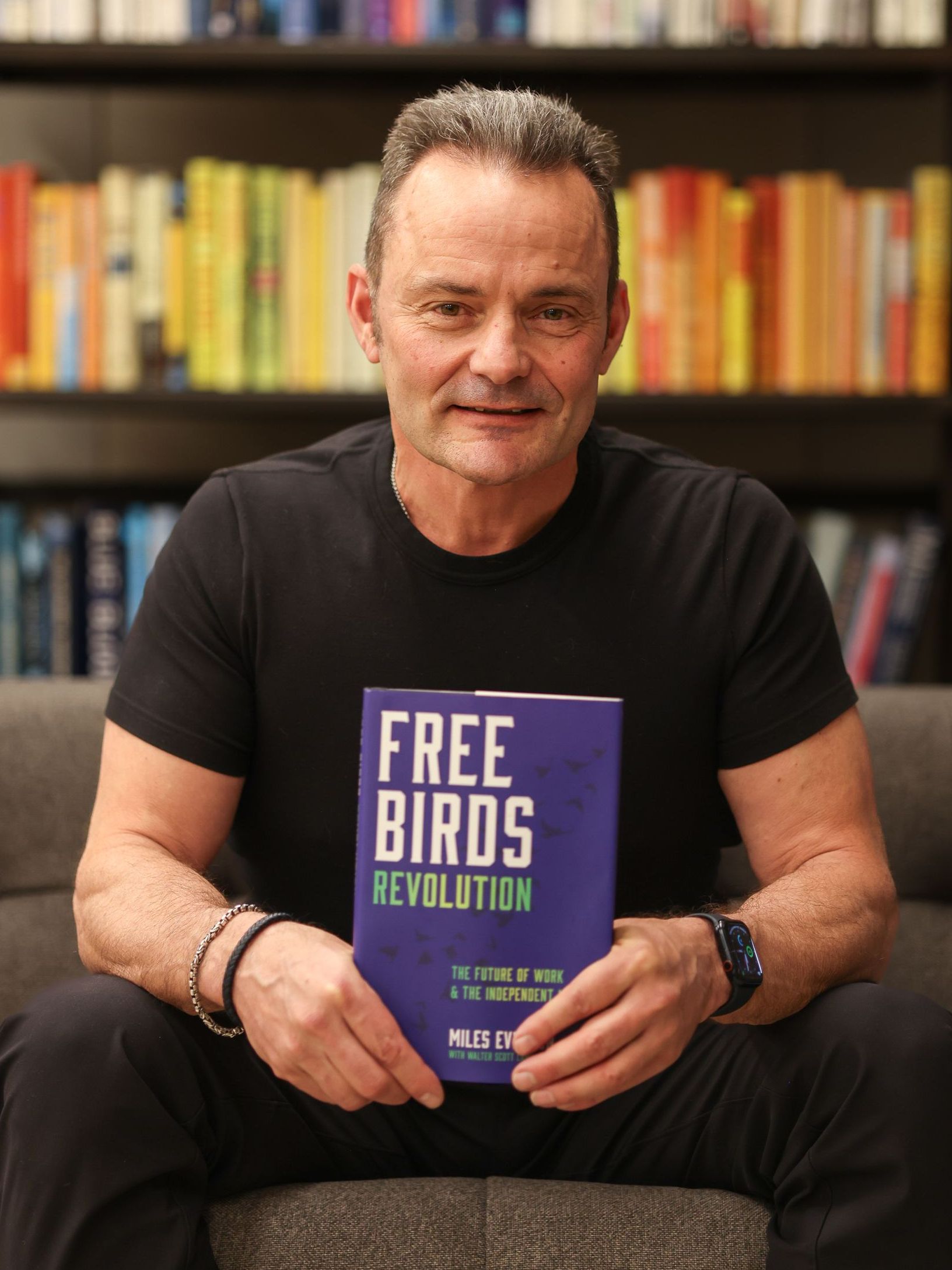
Miles Everson
CEO of MBO Partners and former Global Advisory and Consulting CEO at PwC, Everson has worked with many of the world's largest and most prominent organizations, specializing in executive management. He helps companies balance growth, reduce risk, maximize return, and excel in strategic business priorities.
He is a sought-after public speaker and contributor and has been a case study for success from Harvard Business School.
Everson is a Certified Public Accountant, a member of the American Institute of Certified Public Accountants and Minnesota Society of Certified Public Accountants. He graduated from St. Cloud State University with a B.S. in Accounting.