Employee engagement rates continue to sink… and this little-known trend could be worsening it.
| From the desk of Miles Everson: Happy Friday! I’m excited for yet another edition of "Mindfulness by Miles." In these articles, I talk about health, career longevity, AI, business, and the future of work. My goal is to equip you with the insights needed to navigate both your personal and professional life with greater clarity and energy. Today, we’ll talk about employee engagement and why talent underutilization can lead to higher turnover and even lower worker engagement. Continue reading below to know more. |
Employee engagement rates continue to sink… and this little-known trend could be worsening it. Gallup recently released the 2026 edition of its “State of the Global Workplace” report. The good news is that global employee perception rose to 52%, well above the recent-low of 44% recorded in 2020, but still slightly below the 2019 peak of 55%. Meanwhile, the percentage of global employee wellbeing rose to 34%, after being down in 2023 and 2024. Here’s what isn’t so great: Global employee engagement went down to 20%, its lowest since 2020. This is bad, since Gallup estimates that the global economy lost roughly USD 10 trillion in productivity due to low engagement. Manager engagement is down as well, falling to 22% in 2025, after peaking at 31% in 2022. To top it all off, perceptions about job elimination due to AI have risen. The percentage of employees expecting AI to eliminate their roles within the next five years has risen from roughly 15% in Q2 2023 to 18% as of Q1 2026. Amid these figures is another concerning statistic—one that doesn’t get as much coverage as these attention-grabbing numbers. Underutilized Skills According to Resume Now ’s survey, 69% of employees say “their skills and abilities are not fully used at work.” 87% also say their day-to-day tasks are only “moderately challenging.” In addition, 65% reported that their workplaces show limited recognition with their skills and interests. Worse, 62% reported limited recognition of their strengths. Even when these are recognized, they are still underutilized. 67% said they would consider leaving their organization within a year if the underutilization of their skills persisted. 72% also said they would look for a new job if they were consistently underutilized. … and for the most significant statistic: 77% say the underutilization of their skills has somewhat slowed down career momentum. With their growth stalled, it becomes unsurprising why employees gave these answers. It’s not even a stretch to say that persistent underutilization is one of the factors that could further worsen employee engagement.
With more jobs being automated with AI tools, some could argue that these workers could be replaced with AI once they leave. However, that argument loses steam when one considers AI adoption’s skyrocketing costs. Said simply, business can’t just respond to declining engagement and higher turnover with AI automation. So, what should be done instead? Tap into those previously untapped skills! Tracy Brower, a sociologist specializing in the future of work, provides a few answers on how companies and leadership teams can counter the negative effects of untapped skills:
Utilizing Hidden Talents The steps we shared with you today may add more responsibilities to both leadership and management teams. However, these steps are worthwhile. With AI costs skyrocketing and models still suffering from hallucinations, human creativity and labor will remain crucial. As a result, keeping employees and utilizing their talents to the fullest should still be prioritized if companies want to thrive in a rapidly changing landscape that’s being impacted by changing employee needs and AI. For a daily version of this newsletter, please subscribe here. |


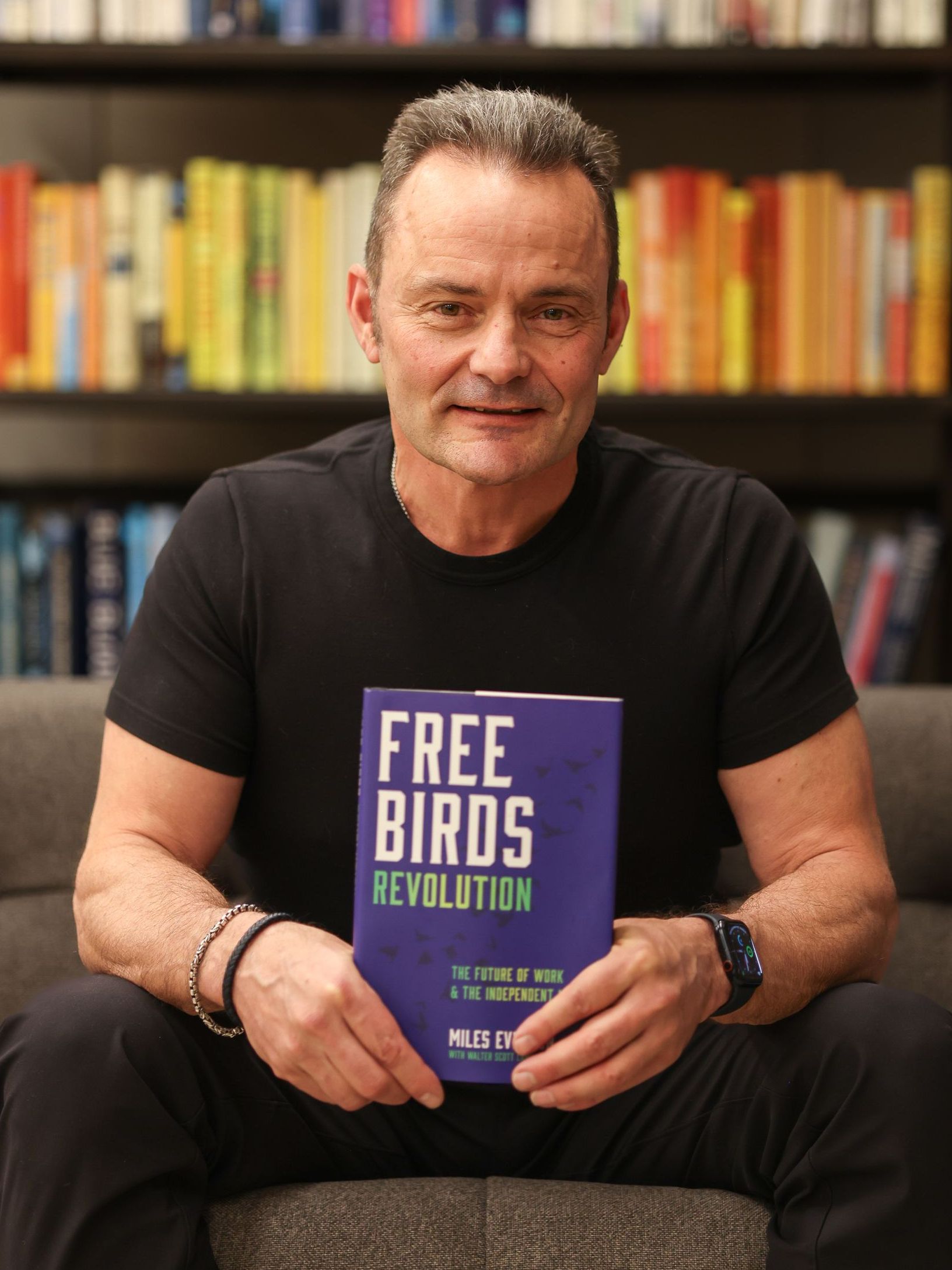
Miles Everson
CEO of MBO Partners and former Global Advisory and Consulting CEO at PwC, Everson has worked with many of the world's largest and most prominent organizations, specializing in executive management. He helps companies balance growth, reduce risk, maximize return, and excel in strategic business priorities.
He is a sought-after public speaker and contributor and has been a case study for success from Harvard Business School.
Everson is a Certified Public Accountant, a member of the American Institute of Certified Public Accountants and Minnesota Society of Certified Public Accountants. He graduated from St. Cloud State University with a B.S. in Accounting.