Selling Shoes, Building Meaning: Here's how values became this brand's value proposition!
Are you ready? Keep reading below. |
|
Usually in business, buying something almost always feels… transactional. You pay, you receive, end of story. No ripple effects. No deeper meaning. Then, one brand quietly disrupted that assumption. Suddenly, a purchase wasn’t just about personal utility—it became a statement. A story. A small but tangible way to participate in something bigger than customers’ selves. Mind you, this wasn’t philanthropy bolted onto a business as an afterthought. It was simply purpose woven directly into the transaction. … and in doing so, it changed how people thought about value, impact, and what businesses should exist to do. That brand? TOMS Shoes!
Founded in 2006 by Blake Mycoskie, TOMS Shoes started with a simple product—canvas slip-on shoes inspired by Argentine alpargatas—and an even simpler idea: “For every pair purchased, a pair would be given to a child in need.” This became famously known as the “One for One” model. At the time, it was radical. TOMS wasn’t just selling shoes; it was also selling participation in impact. Customers didn’t feel like passive buyers; they felt like partners in a mission. Additionally, what made TOMS stand out wasn’t cutting-edge technology or luxury craftsmanship. It was meaning . … and meaning, as it turns out, is a powerful differentiator. The idea for TOMS was born during Mycoskie’s travels in Argentina, where he noticed children walking barefoot and often unable to attend school because they lacked shoes. So, rather than launching a charity, he saw an opportunity to build a self-sustaining business that could scale impact through commerce. This distinction matters. TOMS wasn’t asking for donations. It was asking people to buy something they already wanted, while embedding social good directly into the value proposition. The result? Rapid growth, massive media attention, and a new category of companies now known as purpose-driven or social enterprises! The Business Strategy Behind the Feel-Good Story At its core, TOMS’ strategy can be broken down into these powerful pillars:
Now, here’s where things get especially interesting. The success—and challenges—of TOMS Shoes align closely with Tenet 1 and Tenet 2 of the Return Driven Strategy (RDS) framework developed by Professor Joel Litman and Dr. Mark L. Frigo.
Clearly, TOMS Shoes isn’t just a feel-good brand story; it’s also a strategic lesson in how purpose, ethics, and unmet needs can drive real business performance when aligned correctly. It shows that:
Last but definitely not the least… TOMS proves what Return Driven Strategy teaches: When companies ethically pursue wealth by fulfilling unmet customer needs, impact and returns don’t compete—they reinforce each other. — If you’re looking to gain a better understanding of Return Driven Strategy and Career Driven Strategy, we highly recommend checking out “Driven” by Professor Litman and Dr. Frigo. Click here to get your copy and learn how this framework can help you in your business strategies and ultimately, in ethically maximizing wealth for your firm. Hope you found this week’s insights interesting and helpful. Stay tuned for next Tuesday’s Return Driven Strategy! The AI boom is changing how headcount is filled. Now, an organization isn’t just made up of human workers but also AI agents. Learn more about the importance of mapping and redesigning processes in next week’s article! |


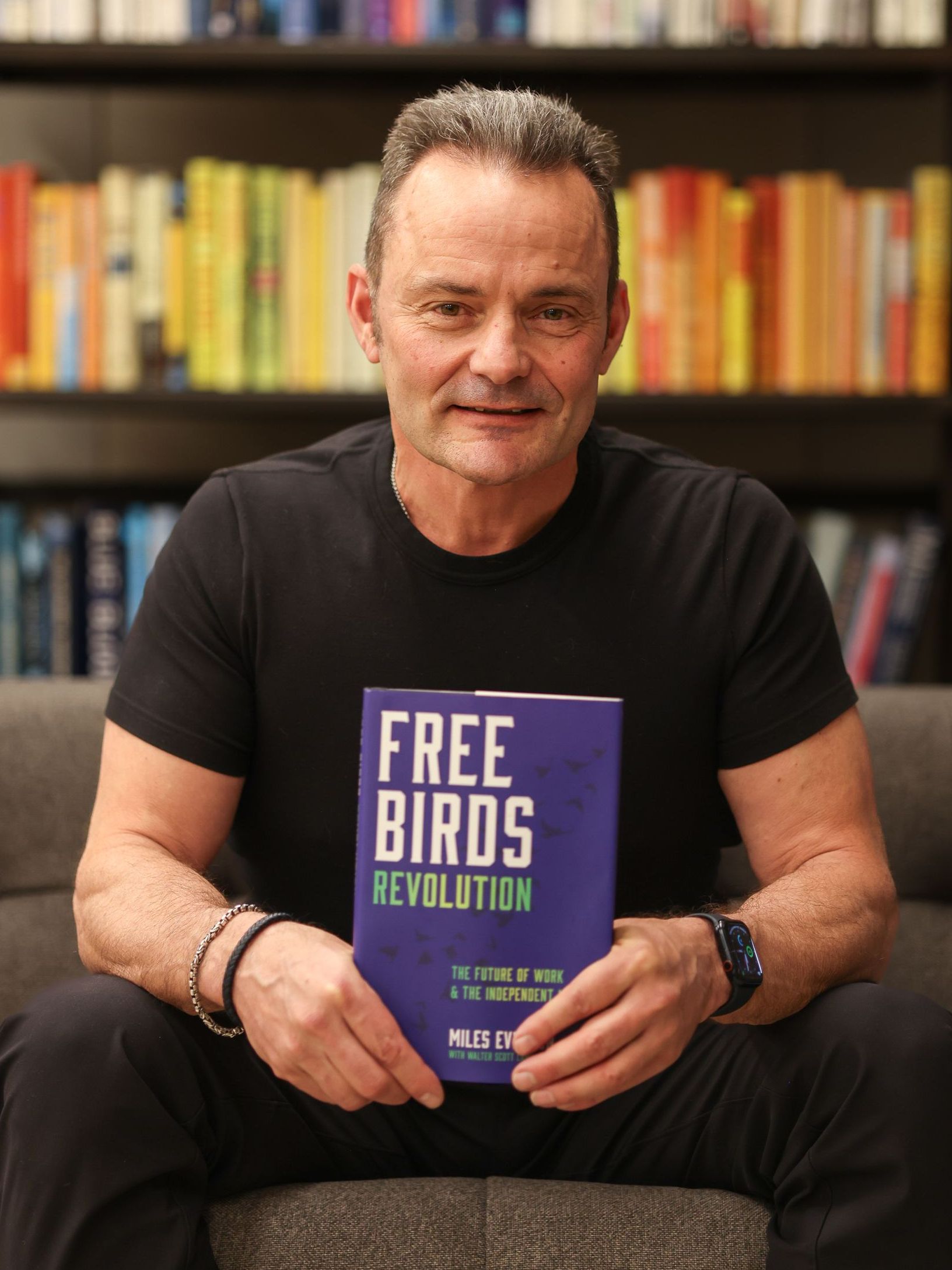
Miles Everson
CEO of MBO Partners and former Global Advisory and Consulting CEO at PwC, Everson has worked with many of the world's largest and most prominent organizations, specializing in executive management. He helps companies balance growth, reduce risk, maximize return, and excel in strategic business priorities.
He is a sought-after public speaker and contributor and has been a case study for success from Harvard Business School.
Everson is a Certified Public Accountant, a member of the American Institute of Certified Public Accountants and Minnesota Society of Certified Public Accountants. He graduated from St. Cloud State University with a B.S. in Accounting.