AI is still no match for good old human intelligence in investing. However, here’s where it’s helpful.
|
|
| Curious? Continue reading below! AI is still no match for good old human intelligence in investing. However, here’s where it’s helpful. Artificial intelligence (AI) has had a chokehold on Wall Street in recent years. Despite this, it can't beat human judgment. At least, not yet. A recent Harvard University-led study put “AI versus human investors” to the test. It looked at whether an AI algorithm could predict exactly what a fund manager was trying to do when buying, selling, or holding a stock. On the surface, the results were promising. Using data from 1990 to 2023, the AI model was able to correctly predict about 71% of mutual fund trading decisions. Said another way, that data suggests most active management follows a pattern a machine can copy and potentially automate. Here's the good news, though: The 29% of trades the model couldn't anticipate also followed a pattern. They were the trades more closely associated with outperformance. In other words, AI proved it could mimic the routine part of the job. As for the non-routine decisions, it had a tougher time. Those were the ones that helped managers beat the market. As we will show in today’s “The Independent Investor,” the best investing plays and ideas still come from human judgment and ingenuity, not AI models.
Harvard's AI test subject learned the playbook that everyone already knows about. According to Professor Joel Litman, Chairman and CEO of Valens Research and Chief Investment Officer of Altimetry Financial Research, AI models are good at recognizing patterns—an aspect that’s highly applicable to good investing practices. However, great investing is also about knowing when patterns no longer apply. The Harvard model, according to the study, was good at understanding how managers react to repeated stimuli like changing economic conditions. It could guess what might happen in response to interest-rate hikes or cuts or inflation trends. These results are unsurprising, given that a significant portion of investment management is systematic. The study also highlights an inherent weakness on Wall Street: Many managers simply follow the crowd . The model could predict whether a fund would buy or sell a particular stock based on what its peers in its fund category did. However, when everyone is making the same moves, it's hard to beat the market. Professor Litman says that's where the “unpredictable” part of investing comes in. It's what sets skilled managers apart. A great example is the role of “conviction.” Most fund managers put their biggest weightings in the ideas they have the most faith in. The study found that the top five companies in a given portfolio were the hardest for the model to predict. In many cases, it was because the edge was based somewhat on speculation. The “edge” here depends on a judgment about what the market is missing before the evidence is obvious. Managers were able to outperform the market by leaning into companies with these qualities:
Investing in such companies led to outperformance of roughly 4.25%. These sorts of non-standard decisions can confuse a model trained on past trading data. If a company is pouring cash into R&D, it's hoping for a breakthrough that will lead to future earnings. Simply said, an algorithm can't predict whether those investments will bear fruit or not . This is where human judgment earns its keep. There are non-quantitative factors that AI isn't as helpful with. You can use AI for the basics. It can speed up the “rote” parts of investment analysis. It can pull together data that tells you how interest-rate changes affect your portfolio and it can summarize the habits of the crowd. It's a great tool for the parts of investing that are repetitive and rely on data everyone has access to. However, don't expect AI to find the next great surprise before the market does. It doesn't know how to account for factors that are less obvious, like R&D spending. It also can't predict when a company will surprise Wall Street. The bottom line? AI isn’t a replacement for good old-fashioned human intelligence. You still have to do your due diligence. Hope you’ve found this week’s insights interesting and helpful. Stay tuned for next Wednesday’s The Independent Investor! The most dangerous moments in markets rarely announce themselves with alarms. Learn more about the hidden dangers of this cyber frenzy in next week’s article! |


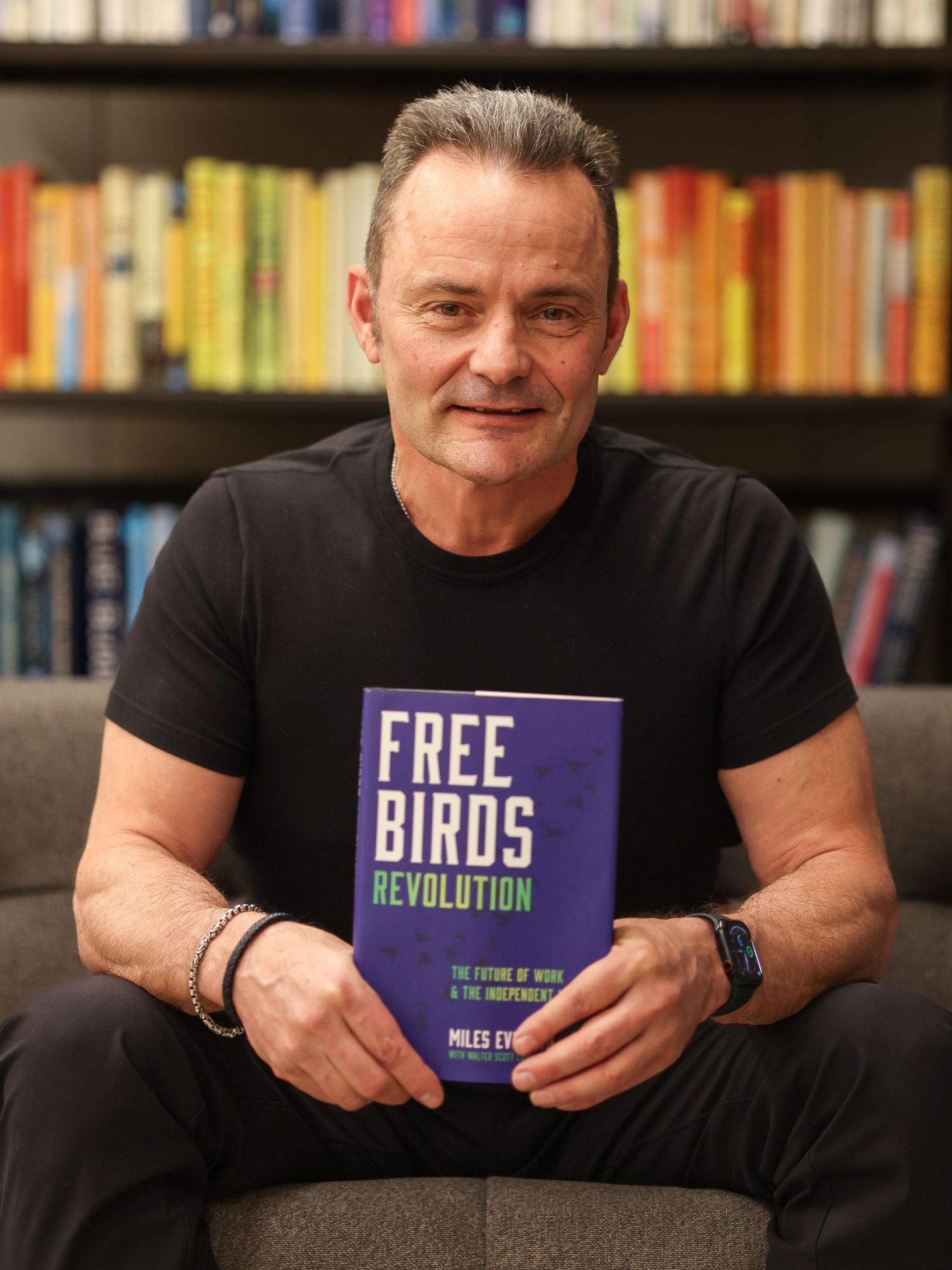
Miles Everson
CEO of MBO Partners and former Global Advisory and Consulting CEO at PwC, Everson has worked with many of the world's largest and most prominent organizations, specializing in executive management. He helps companies balance growth, reduce risk, maximize return, and excel in strategic business priorities.
He is a sought-after public speaker and contributor and has been a case study for success from Harvard Business School.
Everson is a Certified Public Accountant, a member of the American Institute of Certified Public Accountants and Minnesota Society of Certified Public Accountants. He graduated from St. Cloud State University with a B.S. in Accounting.