Rockets, Roadsters, and Reinvention: Learn about this businessman's innovation playbook!
| From the desk of Miles Everson: Hi! I hope you’re all having a great Tuesday. Return Driven Strategy (RDS) is a pyramid-shaped framework with 11 tenets and 3 foundations. When applied properly, these concepts help businesses and even individuals achieve their goals. For this article, let’s tackle RDS’ career counterpart: Career Driven Strategy (CDS). We’ll go about this by highlighting a specific person who’s living out CDS’ Tenet 4 in his business and professional life. Continue reading below. |
Rockets, Roadsters, and Reinvention: Learn about this businessman's innovation playbook! Imagine living in a world where the impossible is just an invitation to try harder. —a world where rockets can be reused like delivery trucks, where cars drive themselves, and where your brain might one day talk to your computer. Sounds like science fiction, right? However, for one individual, this has been business as usual—not because he was told it was doable, but because he believed in asking a better question: “What if it could be?” You see, some careers are built on reliability or on connections. However, the most iconic paths are often paved by those who dare to innovate their offerings. This is the very principle behind Tenet 4 of the Career-Driven Strategy (CDS) framework by Professor Joel Litman and Dr. Mark L. Frigo. Perhaps, there’s no better embodiment of this idea than the man who’s redefined cars, rockets, payments, AI, and ambition itself: Elon Musk!
Musk is a tech visionary, entrepreneur, and engineer born in Pretoria, South Africa, in 1971. Long before he became a household name, he was an unusually curious child, once reading the entire Encyclopedia Britannica and teaching himself computer programming by the age of 12. After moving to the U.S. and studying at the University of Pennsylvania, he launched into the startup world just as the Internet was beginning to explode. Musk’s career is an unrelenting quest to solve big problems. Yet, what truly sets him apart is his approach: He doesn’t just enter industries; he reinvents them. In other words, his career is a masterclass in CDS’ Tenet 4: Innovate Offerings . Here are a few examples of how he innovated his offerings:
The Power of Innovating Offerings Professor Litman and Dr. Frigo’s CDS teaches that to thrive, professionals must innovate what they offer to the world. In other words, doing your job well isn’t enough; you also need to think differently , solve creatively , and evolve constantly. Elon Musk’s career exemplifies this tenet: He doesn’t ask, “What’s been done?” Instead, he asks, “What hasn’t been done yet—and why not?” Whether it’s introducing a new product, automating a process, or launching an entirely new way of thinking, Musk repeatedly proves that innovation isn’t optional; it’s essential. So, what can you learn from Musk’s story and strategy? Basically, you don’t have to build rockets or electric cars to apply Tenet 4. Innovation can happen at any level —in your role, your industry, your personal brand. So, ask yourself: “What can I offer that no one else does?” “What’s broken in my field, and how can I fix it?” “How can I reinvent, not just participate?” Take note that Musk’s success is not rooted in luck or genius alone. It’s rooted in a willingness to question norms, break molds, and relentlessly innovate. That’s what Tenet 4 is all about! … and if you’re willing enough, that’s a blueprint you can follow. — If you’re looking to gain a better understanding of Return Driven Strategy and Career Driven Strategy, we highly recommend checking out “Driven” by Professor Litman and Dr. Frigo. Click here to get your copy and learn how this framework can help you in your business strategies and ultimately, in ethically maximizing wealth for your firm. Hope you found this week’s insights interesting and helpful. Stay tuned for next Tuesday’s Return Driven Strategy! It’s hard to stand out in today’s professional landscape… and it can often feel like a race where you have to do everything you can to move up in the ladder. Learn more about how you can stand out in next week’s article! |


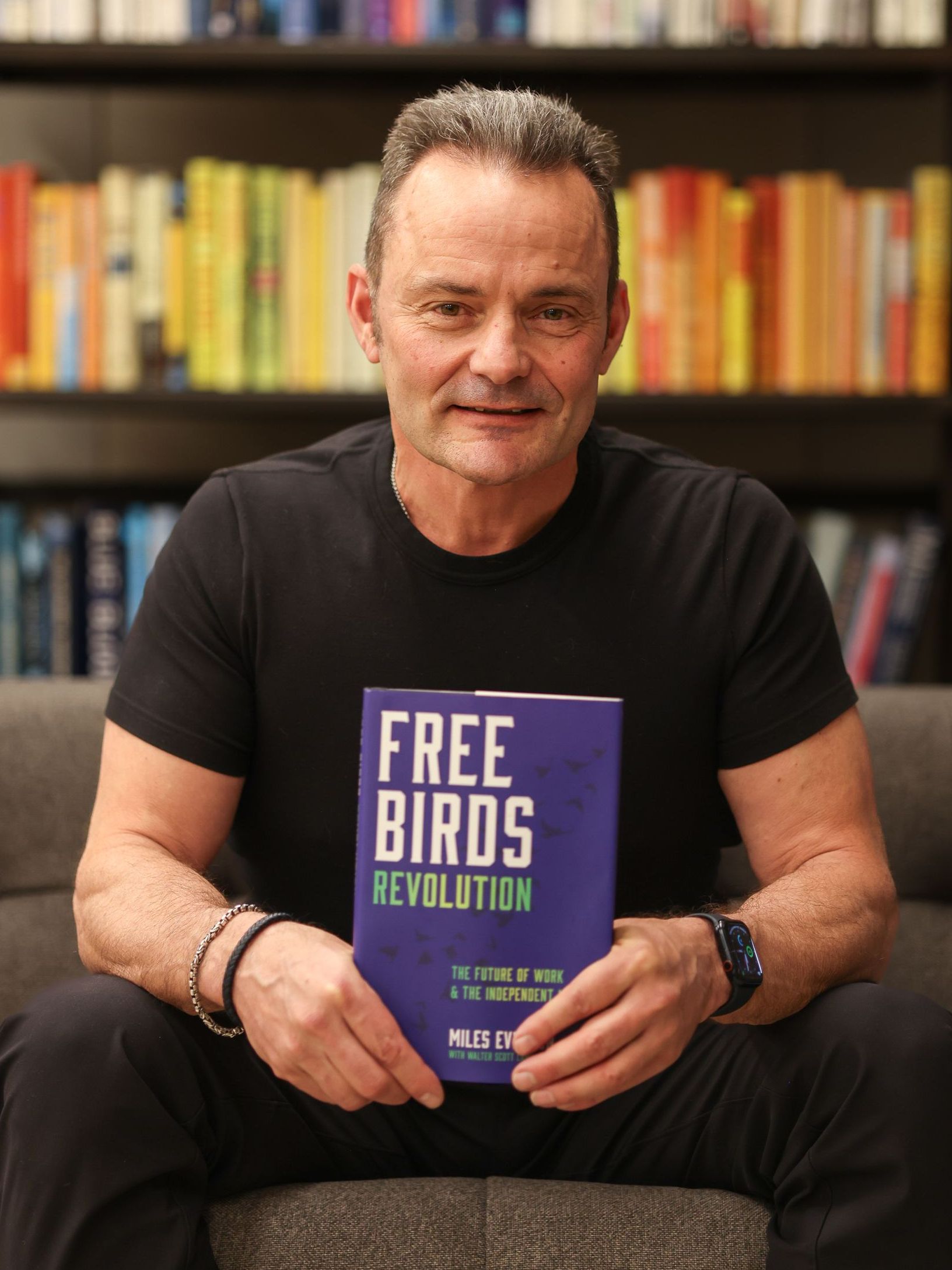
Miles Everson
CEO of MBO Partners and former Global Advisory and Consulting CEO at PwC, Everson has worked with many of the world's largest and most prominent organizations, specializing in executive management. He helps companies balance growth, reduce risk, maximize return, and excel in strategic business priorities.
He is a sought-after public speaker and contributor and has been a case study for success from Harvard Business School.
Everson is a Certified Public Accountant, a member of the American Institute of Certified Public Accountants and Minnesota Society of Certified Public Accountants. He graduated from St. Cloud State University with a B.S. in Accounting.